
REVIEW · QUBA DAY TRIPS
From Baku: Guba and Khinaliq Trip with Homemade Lunch
A long mountain day with a home-cooked payoff. You spend most of the day driving through Azerbaijan’s Greater Caucasus foothills, stopping for quick looks at the Candy Cane Mountains and Besh Barmag, before climbing to Khinaliq at about 2,350 meters. Along the way, multilingual guides like Leyla or Aydın keep the day moving with stories and photo-friendly pacing.
I especially liked two things: the lunch in a local house museum in Khinaliq, and how the small group size (max 14) makes the day feel personal instead of rushed. The home-cooked meal is also a rare treat, with a vegetarian option, and a focus on locally prepared food.
One consideration: it is an all-day drive. You spend at least 8 hours on the road in total, and one review noted the car had a bit of an engine smell, so it is worth being ready for a long day on the move.
In This Review
- Key highlights worth getting excited about
- Why Khinaliq Feels Like a Time Capsule Above 2,350 Meters
- The Long Drive From Baku: 8+ Hours on the Road, Worth It
- Candy Cane Mountains and Besh Barmag: Geology Meets Great Photo Stops
- Guba Route Highlights: Red Town and Qechresh Forest Springs
- Tengealti Canyons Road Through Two Mountains
- A Home Museum Lunch in Khinaliq: Vegetarian and GMO-Free Focus
- Guides Make the Difference: Leyla, Aydın, Murad, Nurlan, Yusif
- Price and Value at $100 per Person for an 11-Hour Small Group Day
- What to Bring for a Day That Runs Mostly Outside
- Should You Book This Baku to Guba and Khinaliq Day Trip?
- FAQ
- How long is the Baku to Guba and Khinaliq trip?
- What is the group size for this tour?
- How much does the tour cost?
- What meals are included?
- Is there a vegetarian option for lunch?
- Where does the tour pickup and drop-off happen?
- Which languages are the guides available in?
- How much time do you spend driving?
- What places are visited besides Khinaliq?
- Is entry to Khinaliq included?
Key highlights worth getting excited about
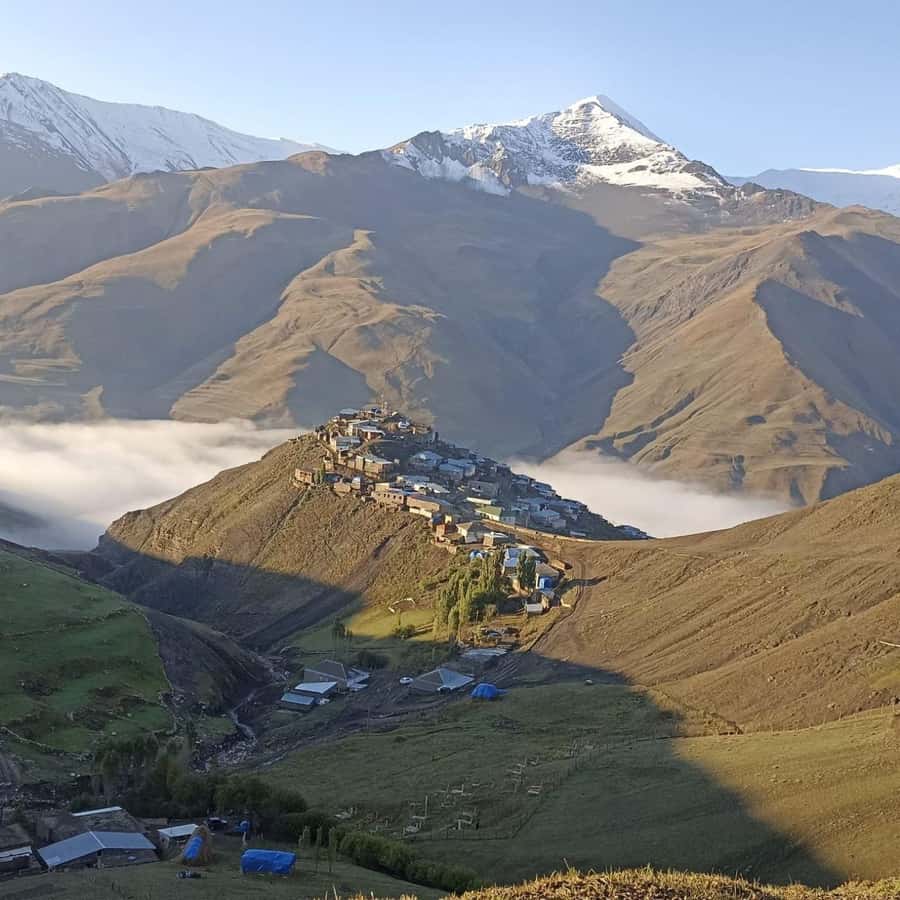
- Khinaliq at 2,350 meters: houses built on steep slopes like an amphitheater, plus ethnographic reserve status
- Lunch at a local house museum: home-cooked Azerbaijani dishes with a vegetarian option
- Small group limit of 14: easier conversation, easier photos, less chaos at stops
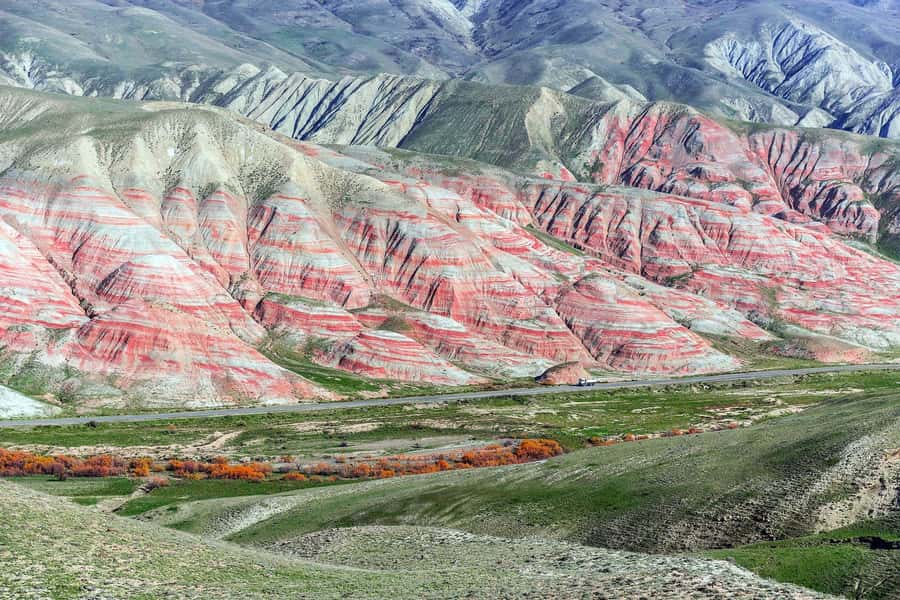
- Candy Cane Mountains color story: iron compounds and groundwater oxidation shape the red, pink, and cream tones
- Multiple photo stops built in: short timed breaks so you can shoot without feeling trapped
More roads up to Khinaliq
- Baku: Candy Cane, Guba, Khinaliq village with Homemade Lunch
★ 4.9 · 519 reviews - Baku: Guba Khinalig & Candy Cane Tour with Homemade Lunch
★ 4.9 · 447 reviews - Guba and Khinaliq Village Tour including Homemade Lunch
★ 4.5 · 241 reviews - Guba Khinalug & Candy Cane Mountains tour (by Old City Tours)
★ 4.5 · 208 reviews
Why Khinaliq Feels Like a Time Capsule Above 2,350 Meters
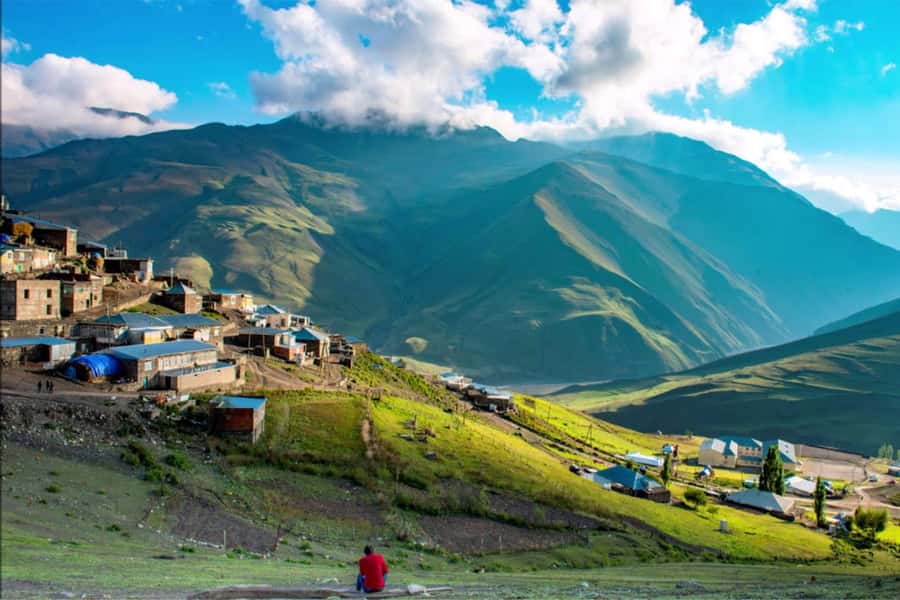
Khinaliq is one of those places where distance matters. It is among the oldest, highest villages in the world, sitting around 2,350 meters above sea level in the Greater Caucasus, and it is protected as an ethnographic reserve. If you like places that do not feel like a theme park, Khinaliq is the kind of stop that makes you look twice at everyday details, like how people build, live, and share space.
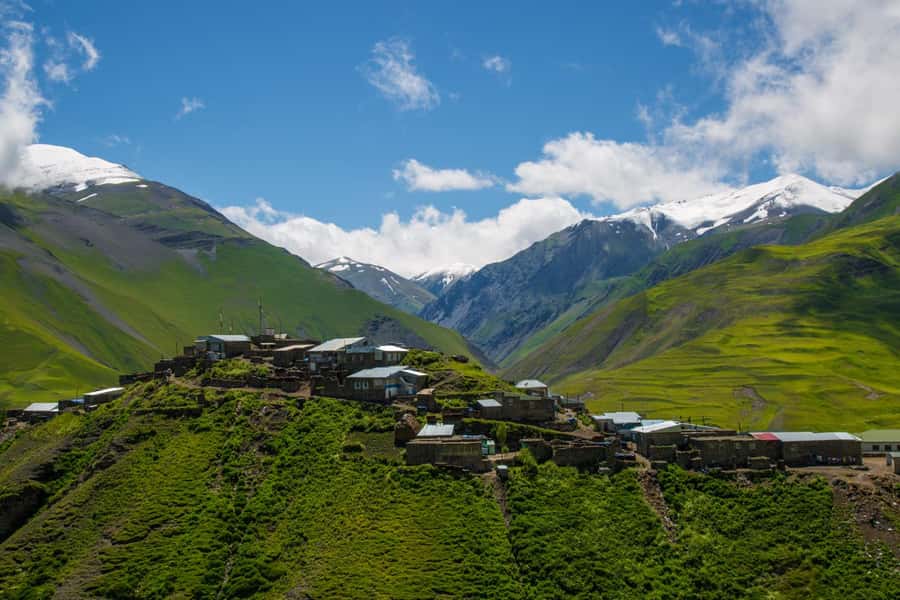
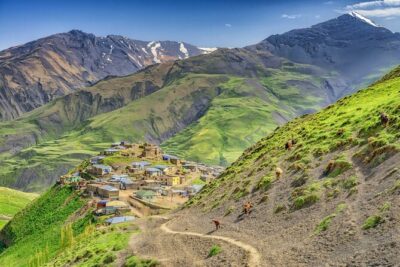
The most striking feature is how the village is arranged. Houses sit on the mountain slope in what feels like an amphitheater. Roofs act like courtyards for homes above, which is why locals often describe the houses as eagle-nest shapes. From the viewpoints and along the paths, that stacking effect becomes the visual hook of the whole visit. It is the rare mountain village where you can see architecture as a direct response to steep terrain.
Your visit includes time for sightseeing and a guided look, plus entry to the Khinaliq historical and ethnographic reserve. That matters because it turns the village from a quick photo stop into a more meaningful walk, with context for language, architecture, and tradition.
The Long Drive From Baku: 8+ Hours on the Road, Worth It
This is not a short day. Even though the trip lasts about 11 hours, you should plan around at least 8 hours on the road (4 hours going, then about 4 hours back). That is the trade-off: to reach a high mountain village like Khinaliq from Baku, you accept long stretches of scenic but repetitive driving.
The good news is that the itinerary uses that time smartly. There are multiple guided segments and repeated photo opportunities rather than one long, silent bus ride. You also get several small breaks, with free time windows sprinkled throughout the day. That keeps the pacing from turning into a chore.
Transport is handled in air-conditioned vehicles, and you may ride in a Mercedes-Benz, Toyota minivan, or Sprinter depending on the group setup. Most of the experience is designed around comfort plus frequent stops, which is why it works well even for people who do not love long road trips.
A final practical point: because you are leaving Baku and returning the same day, you want to treat this as a whole-day commitment. If your plan includes late nights or another early tour, this one can make the next day feel heavier.
Candy Cane Mountains and Besh Barmag: Geology Meets Great Photo Stops
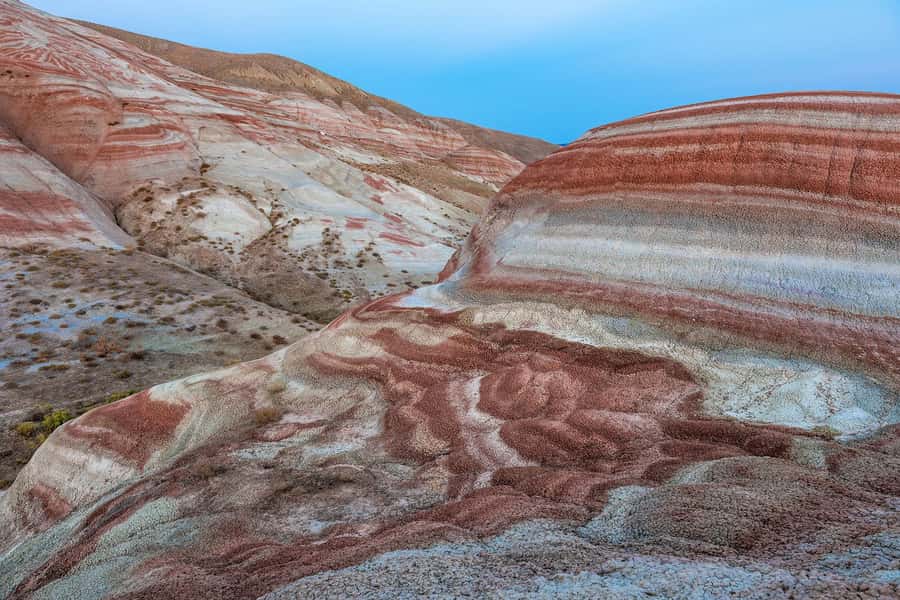
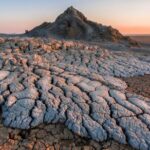
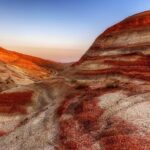
You start with mountain scenery even before you hit Guba. One of the first eye-catchers is the Candy Cane Mountains, shale mountains in the Khizi and Siyazan districts, part of the Greater Caucasus range. The colors come from groundwater changing the oxidation state of iron compounds in the ground, which is a fancy way of saying the rocks look painted for a reason, not because someone staged them. You get a photo stop and a brief guided introduction here.
Then comes Besh Barmag Mountain (often spelled close to Beshbarmak). The drive route runs along the main motorways connecting Azerbaijan’s capital with larger cities to the north, so you catch this mountain near the Caspian coast area. You are not trying to conquer anything here, just absorb the scale. Even short viewpoint stops can make these mountains feel close, because you see them rise beside the road instead of far in the distance.
The photo stops are short, which is actually a plus. You get enough time to frame shots, swap camera batteries, and stretch a bit, without losing half the day at a single location.
Guba Route Highlights: Red Town and Qechresh Forest Springs
After the early mountain views, the day turns toward Guba. The approach matters because you are not just driving to Khinaliq, you are sampling how the region changes.
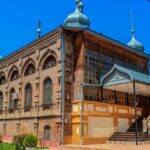
First up on the route is Qirmizi Qasaba, also known as the Red Town. It connects to the story of the mountain Jewish community often referenced as Caucasian Jerusalem. Seeing this settlement by the road makes the history feel concrete, not abstract, and your guide helps connect the dots as you pass through the area.
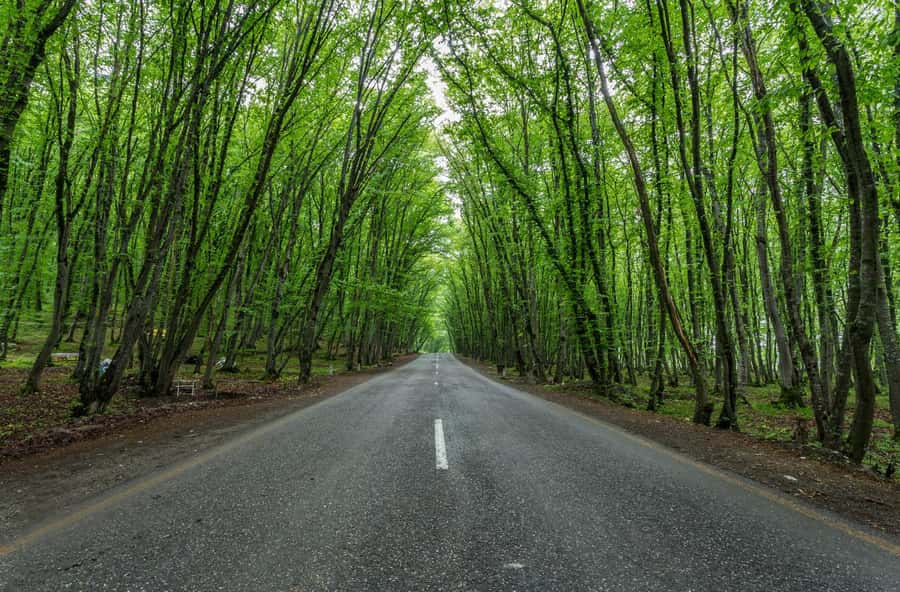
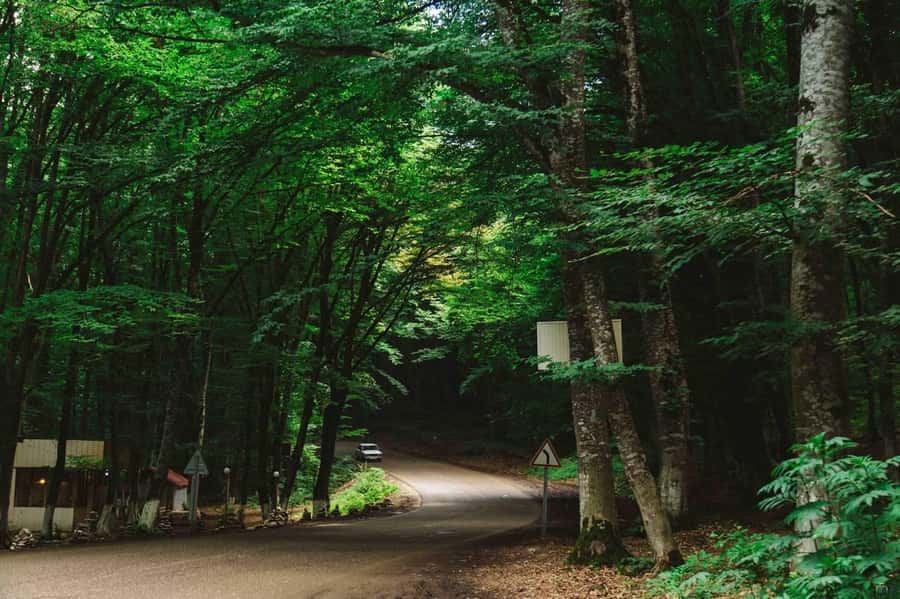
Next you reach Qechresh, one of the larger villages in the Guba region. This is the forest side of the day. The village sits in an area covered with forest on all sides, and it is known for natural springs and plants. The practical value for you is that the scenery feels different from the earlier arid-looking rock stops. It is easier to breathe here, easier to relax, and easier to appreciate how the region supports life at mountain elevation.
Along the road toward Qechresh, there are recreation areas and restaurants where you can sample local cuisine. The tour also builds in time for breaks and quick photo stops, so you can look around without feeling like you are only rushing past.
The Quba run, other operators
Tengealti Canyons Road Through Two Mountains
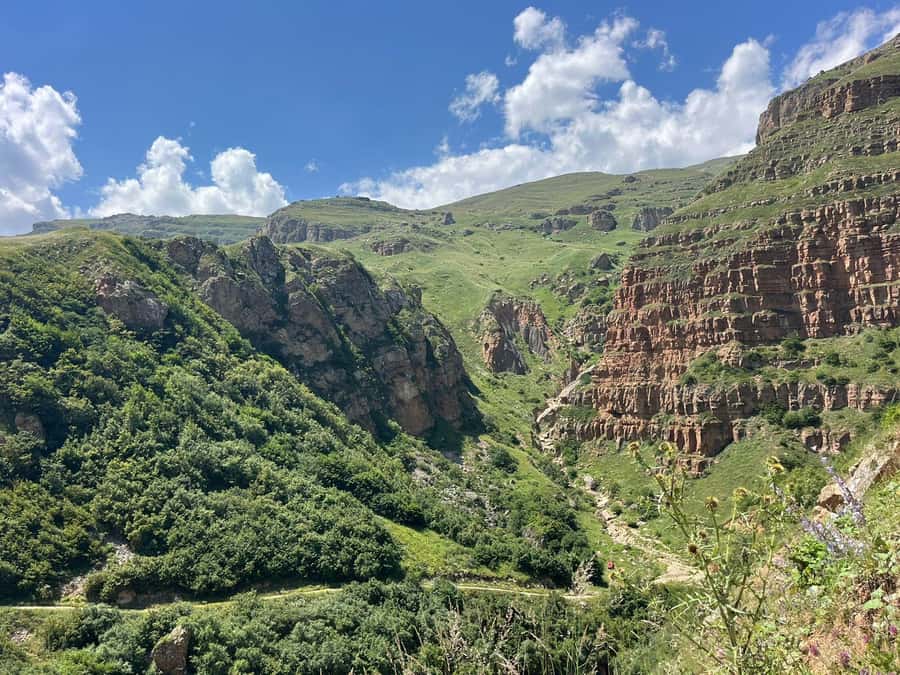
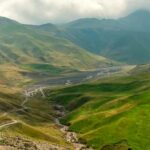
Once you go further from Gechresh forest, you reach the Gudyalchay canyons, a section known for steep ascents and descents through gorge walls. This is the kind of drive that turns your window into a moving viewpoint.
Tengealti sits in this canyon and comes with charming mountain-road scenery. You get planned time for photo stops, guided explanation, and free breaks. The goal is not to sit and stare for hours, it is to catch the moment when the road cuts between steep cliff walls, the forest changes density, and the canyon opens just enough for a good view.
If you get car-sick easily, consider that this portion is a canyon drive with elevation changes. The tour vehicles are air-conditioned, but your comfort still depends on your personal sensitivity.
A Home Museum Lunch in Khinaliq: Vegetarian and GMO-Free Focus
The lunch in Khinaliq is the emotional center of the day. You eat at a local house museum, with Azerbaijani traditional dishes cooked at home. It is positioned as GMO-free lunch, and the tour explicitly mentions that vegetarian food is available.
From a practical standpoint, this is the best kind of included meal. You are not hunting for food after a long climb. You are also not eating a generic restaurant lunch that could be anywhere. A home-cooked meal inside a local setting gives you a real sense of rhythm: how people feed visitors, what they consider special, and how they share daily life as part of the experience.
You also get time set aside for lunch plus guided touring and sightseeing afterward. That pacing matters. If lunch were too short, you would feel rushed. If there were too much free time, you might lose momentum. This tour strikes a middle path: eat well, then keep exploring.
One more point I noticed in the feedback: people often talk about the lunch as the highlight, and it is easy to understand why. It is rare on road-trip days that the meal becomes the best part, but Khinaliq manages it.
Guides Make the Difference: Leyla, Aydın, Murad, Nurlan, Yusif
The route is impressive on paper, but guides are what turn it into a story you can remember. Multiple guides have strong follow-through, from photo help to explaining what you are actually looking at.
Leyla is highlighted for being warm, attentive, and willing to go above and beyond with group photos, which is especially valuable if you are traveling solo. Aydın is praised for high knowledge and a smooth, confidence-building experience from pickup onward. Murad is mentioned as friendly and knowledgeable, and Nurlan gets credit for making the group feel like a small community by staying with everyone and balancing attention throughout the day. Yusif also appears in the feedback as engaging and enthusiastic.
What you should take from that: the tour depends on the guide’s ability to connect the physical stops to human context. If you like asking questions, this is a great setup because the day has many small moments where the guide can explain something practical and then let you look closer.
The tour is offered with English, Russian, and Turkish guides, which makes it easier to settle in quickly and understand the stories behind each stop.
Price and Value at $100 per Person for an 11-Hour Small Group Day
At $100 per person, you are paying for a full day that includes more than transportation. You get pickup and drop-off from Baku accommodation (with an exception for the Old City and nearby areas around the Double Gates), professional guide service in multiple languages, entry/admission for the Khinaliq reserve, and the lunch in Khinaliq.
You are also paying for the low-key group format. The tour limits the group size to 14, and it runs almost every day since it began in 2018, which usually means the operation is stable and the route is well planned. In a place like this, small details matter, like efficient stop timing and keeping the day organized around the long drive.
Is it expensive compared with DIY driving? Maybe, depending on your transport options. But the value is in removing friction. You do not need to handle navigation to high-altitude sites, figure out what to prioritize, or negotiate a meal plan that fits your vegetarian needs.
What to Bring for a Day That Runs Mostly Outside
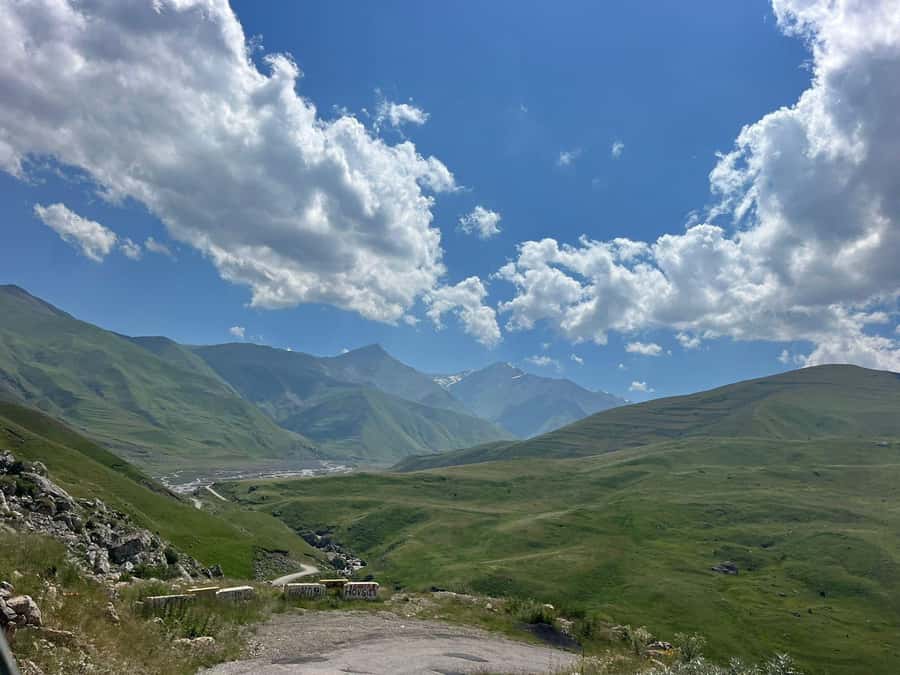
This is a full-day outing focused on mountain villages and roadside viewpoints. Bring what makes you comfortable for photo stops and walking around at elevation.
Practical ideas that fit the reality of the day:
- A camera or phone with a charged battery and a spare power option, since photo stops are repeated throughout the day
- Comfortable shoes for walking on uneven village terrain in Khinaliq
- A light layer, because altitude and mountain weather can shift quickly
Also, plan your energy. You start with a transfer and early stops, then you spend the middle of the day moving through canyon roads and villages, and the day ends back in Baku after the long return.
Should You Book This Baku to Guba and Khinaliq Day Trip?
If you want one day that combines dramatic mountain scenery, quick history context, and a truly local lunch in Khinaliq, I think this tour is a strong choice. The small group size, the planned photo stops, and the lunch at a local house museum are the main reasons to pick it.
Skip it if you hate long road trips or you want a relaxed half-day plan. This is a serious day out, with long time on the road and multiple stop phases.
If you book, go with the right mindset: expect driving, enjoy the viewpoints, and treat the Khinaliq lunch and village visit as the payoff. For many people, it becomes the highlight of their Azerbaijan trip, and the structure of the day is built to make that happen.
FAQ
How long is the Baku to Guba and Khinaliq trip?
The duration is 11 hours.
What is the group size for this tour?
The maximum number of participants is 14.
How much does the tour cost?
The price is $100 per person.
What meals are included?
Lunch is included in Khinaliq at a local house museum.
Is there a vegetarian option for lunch?
Yes, vegetarian food is available.
Where does the tour pickup and drop-off happen?
Pickup and drop-off are included from your accommodation in Baku, with the exception of hotels in the Old City and nearby areas. Meeting is arranged at the Double Gates, Qosha Qala qapisi.
Which languages are the guides available in?
The live guide service is available in English, Russian, and Turkish.
How much time do you spend driving?
You will spend at least 8 hours on the road, going and back by 4 hours each.
What places are visited besides Khinaliq?
The tour includes stops connected to the Candy Cane Mountains, Besh Barmag Mountain, Guba area highlights like Red Town (Qirmizi Qasaba), Qechresh, and Tengealti.
Is entry to Khinaliq included?
Yes, entry or admission to the State Historical, Architectural and Ethnographic Reserve, including Khinalig, is included.
The Rest of Our Azerbaijan Reviews
North to Quba
The Road to Khinaliq
More of Azerbaijan we have been out and written up
- The Magnificent Baku Night Tour★ 5.0 · 3 reviews
- Small-Group Day Trip to Gobustan, Mud Volcanoes, Ateshgah & Yanar Dagh★ 4.5 · 3 reviews
- Private Sheki Tour – Four Regions of Azerbaijan in one day★ 5.0 · 3 reviews
- Full Day Guided Tour of Shamakhi and Gabala★ 5.0 · 3 reviews
- Qobustan Absheron Full Day Tour★ 5.0 · 3 reviews
Quba Day Trips, compared.
 ★ 4.8Guba, Shahdag, Laza & Lunch w/ Free City & Night TourFrom $51,455 reviews
 ★ 4.9Candy Cane, Guba, Khinaliq village with Homemade LunchFrom $55519 reviews
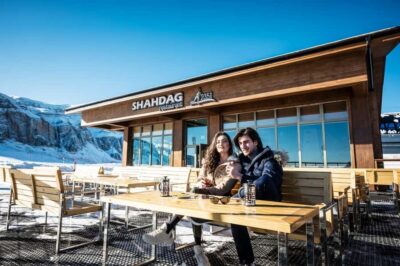 ★ 4.9Guba & Sahdag Tour Lunch included and Laza WaterfallFrom $15506 reviews
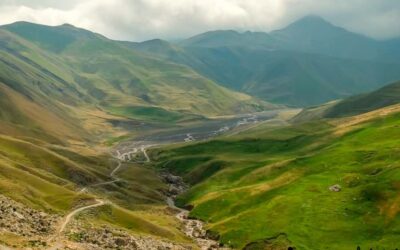 ★ 4.9Guba Khinalig & Candy Cane Tour with Homemade LunchFrom $54447 reviews
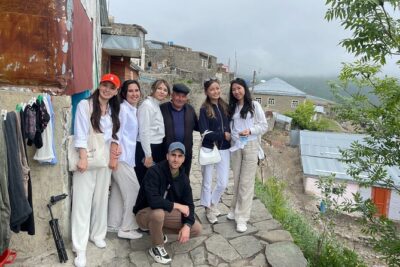 ★ 4.5Guba and Khinaliq Village Tour including Homemade LunchFrom $75241 reviews
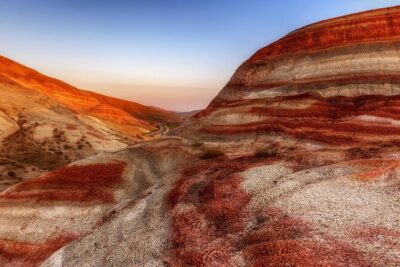 ★ 4.5Guba Khinalug & Candy Cane Mountains tour (by Old City Tours)From $79208 reviews
 ★ 4.5Guba-Shahdag-Candy Cane Mountains Tour/ Entrance IncludedFrom $59188 reviews
 ★ 5.0Guba and Khinaliq trip with HOMEMADE lunch (Group or Private)From $63169 reviews
Browse the lists this tour appears in