
REVIEW · GOBUSTAN ROCK ART & MUD VOLCANOES
Gobustan and Absheron tour (All inclusive)
Mud volcanoes and fire flames in one day is unusual.
This full-day Gobustan and Absheron tour strings together the peninsula’s best “how did this happen?” sites, from smoking earth at Gobustan to eternal flames at Yanardag. I like the all-inclusive setup, especially admission tickets plus lunch already handled.
I also like that it runs as a small group (up to 17), so you get more guide time and less wandering around on your own. The one drawback to keep in mind is that it is a long day with a lot of stops, so the pace can feel tight if you prefer slow sightseeing.
In This Review
- Key takeaways before you go
- Why this Gobustan and Absheron day trip makes sense from Baku
- Timing, distance, and how the day actually feels
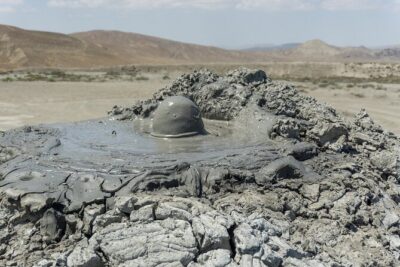
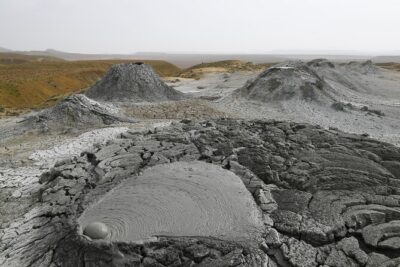
- Gobustan mud volcanoes: the active craters and the blue-clay look
- Gobustan rock art: museum context, then the petroglyph trail
- Bibi-Heybat on the way back: a 13th-century pause near the Caspian
- Lunch in Baku: three courses with qutabs, kebab, and tea
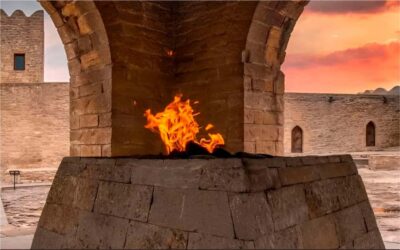
- Ateshgah Fire Temple: why flames mattered on the Silk Road
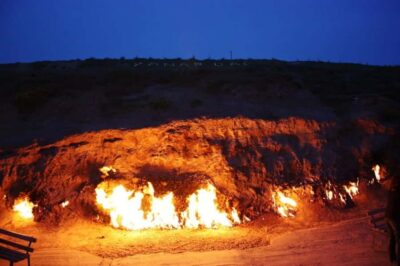
- Yanardag Burning Mountain: the final flame and the big viewpoint
- Small-group size and guide impact, from English to Russian
- Price and what you truly get for $85
- Who should book this tour, and who should skip it
- Should you book this Gobustan and Absheron all-inclusive tour?
- FAQ
- How long is the Gobustan and Absheron all-inclusive tour?
- What is included in the all-inclusive price?
- What does lunch include?
- What group size is the tour limited to?
- Where does the tour start and end?
- Is hotel transfer included?
- Is a mobile ticket used?
- Can I cancel for a full refund?
- Is the tour guide offered in more than one language?
Key takeaways before you go
- All-inclusive value: tickets for Gobustan, the Fire Temple, and Yanardag, plus lunch are included in the price.
- Two big “wow” stops: active mud volcanoes and the Yanardag burning mountain.
- Museum plus outdoor time: you start with context at the Gobustan museum area, then walk the petroglyph trail.
- Small-group size: max 17, with guiding in English and Russian.
- The day hinges on execution: guide quality and timing can make or break how relaxed the day feels.
Other ways to do the petroglyphs and the bubbling mud
- Baku: Gobustan, Mud Volcano, Fire Mount, Temple Lunch Entry
★ 4.9 · 3,246 reviews - BEST Gobustan, Volcanoes & Absheron Fire Tour (Group or Private)
★ 5.0 · 1,254 reviews - Gobustan and Absheron tour (All inclusive)
★ 5.0 · 1,014 reviews - Baku: Gobustan, Volcanoes, Fire Temple and Yanardag Day Trip
★ 4.7 · 433 reviews
Why this Gobustan and Absheron day trip makes sense from Baku
If you only have one full day in Baku, this tour is built for efficiency without feeling like a checklist that never connects. You’re covering two different stories of the Absheron region in one go: the natural oddities of Gobustan and the long human fascination with fire along the peninsula.
I like the way the day flows from geology to human history to culture. You move from mud volcanoes and prehistoric rock art, then jump to fire worship roots at Ateshgah, and finish at Yanardag where the ground keeps burning.
Timing, distance, and how the day actually feels
You’re out from morning to evening, with a total length listed at about 8 to 9 hours. The drive takes you roughly 70 km south of Baku for the Gobustan area, so expect a real chunk of time on the road.
This matters because the experience is stop-based. If you hate being on a bus for stretches, you may find the day long. If you like structured days with set viewing times, you’ll probably feel satisfied, since you’re meant to hit multiple sites rather than just one “main event.”
Also note the practical side: it’s a group tour in an air-conditioned vehicle. That sounds minor, but in Azerbaijan heat it makes a noticeable difference, especially during the transfers.
Gobustan mud volcanoes: the active craters and the blue-clay look
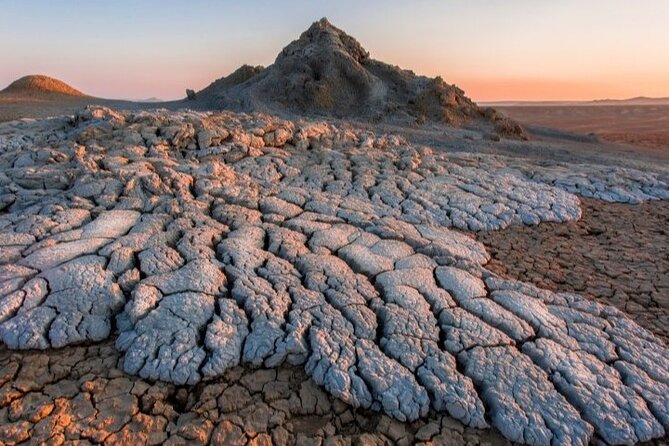
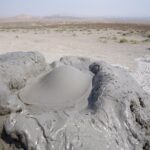
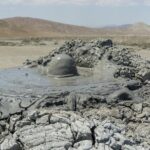
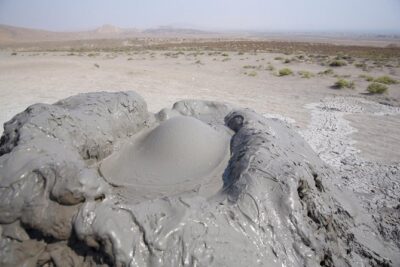
The mud volcano stop is the big opening act. You’ll ride out to the Gobustan desert area and get up close to the active craters fed by natural gas and mud. The setting is moonlike because the mud contains blue clay, which creates that distinctive color and texture.
What I like about this stop is that it’s not just a viewpoint. You’re meant to walk around the area and actually see how the earth is behaving. The tour description also leans into the local legends of spirits or djinn living in these places, which is a fun cultural layer if your guide tells it with confidence.
What to watch for: this stop is often where expectations matter most. If you really want maximum time at the volcano areas, pay attention to the pace once you arrive. A fast stop can still be impressive, but it may feel short compared with what you were hoping to linger over.
Gobustan rock art: museum context, then the petroglyph trail
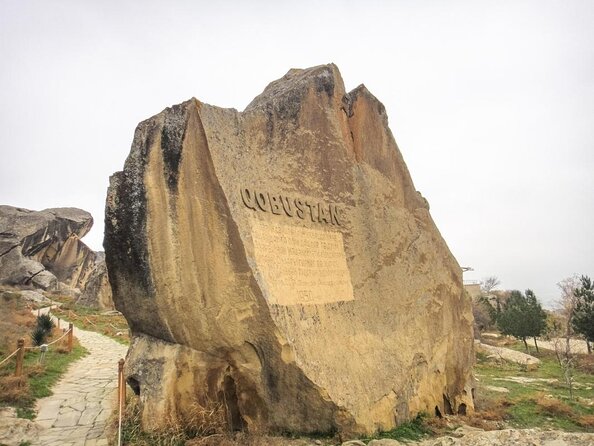
After the mud volcanoes, the day shifts from nature to people. You visit the Gobustan National Reserve museum area first, where you get background before walking through the rock art.
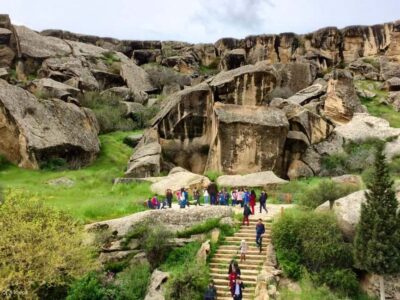
Then you move to the petroglyphs trail along the reserve. This part is valuable because it turns the rocks into a story. You’re not just seeing ancient images, you’re getting explanations for what the scenes represent and how life in prehistoric times shaped what people left behind.
Two practical notes. First, wear shoes you can trust on uneven ground near the reserve rocks. Second, if you like photos, bring a phone grip or small camera strap so you can move more calmly without juggling gear.
The fire sights, run by other operators
Bibi-Heybat on the way back: a 13th-century pause near the Caspian
On the return side of the day, the tour includes a stop at Bibi-Heybat Mosque, a 13th-century monument tied to Shirvanshah Abu-l-Fath Farrukhzad. It’s one of those places that rewards you for slowing down for a few minutes, because you can see both the architecture details and the nearby Caspian Sea view angle.
This isn’t positioned as a long deep visit, so think of it as a cultural palate cleanser between Gobustan and the next half of the day.
If your trip days are photo-heavy, this can be a great time for quick portraits and wide shots without committing a lot of time.
Lunch in Baku: three courses with qutabs, kebab, and tea
Lunch is served at a restaurant stop in a central park area in Baku. The included meal is a set with two qutabs (one with greenery stuffing, one with meat), assorted kebab (chicken, lamb, lula-kebab), pilaf, Choban salad, plus ayran or coke and tea.
For me, the best part of having lunch included is not the food alone. It removes a whole set of decisions that can waste time on a full-day tour. You can focus on sightseeing instead of guessing where to eat and whether the kitchen will be fast.
That said, lunch quality seems to vary day to day. Some people reported disappointing or rushed meals, while others described it as plentiful. So if you’re very sensitive to food details, I suggest bringing a small snack for safety, just in case the restaurant service runs quickly.
Ateshgah Fire Temple: why flames mattered on the Silk Road
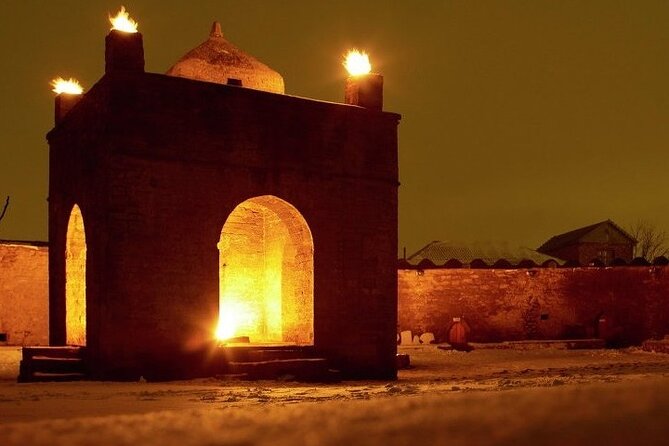
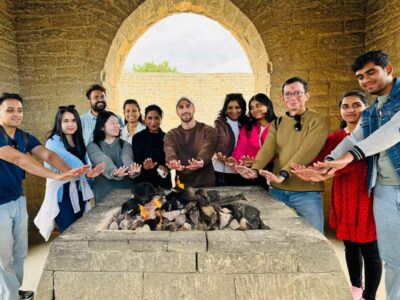
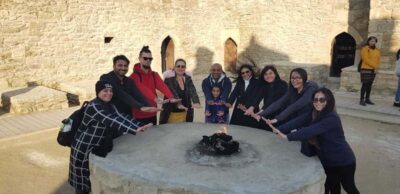
The next major stop is Ateshgah, the Fire Temple in the Surakhany village area. The tour framing connects the site to ancient accounts that flames burst out of the ground in Absheron.
This stop is particularly interesting because it shows fire as a shared theme across different beliefs. You’ll hear about early Hindu Brahmanites and Persian Zoroastrians who built devotion around the natural fires. The route also links the area to the Great Silk Road, where merchants traveled and caravanserais existed, turning the temple zone into both spiritual and commercial space.
What I like for travelers: Ateshgah makes the concept of fire worship feel grounded. Instead of treating it as pure religion trivia, the site is presented as part of daily travel life, trade networks, and what people did when they passed through a place with natural flames.
Practical tip: this is a walking and looking stop, not a sit-and-watch show. If you like photos, bring something with decent battery and keep your plan simple so you can step in and out efficiently.
Yanardag Burning Mountain: the final flame and the big viewpoint
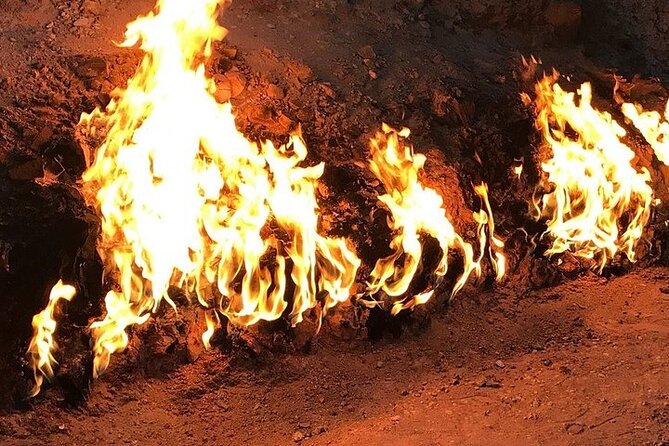
You finish at Yanardag, also called the Burning Mountain. It’s described as the only one of the burning places that has survived to today, with an unquenched flame coming from the ground for centuries.
This is a strong ending for two reasons. First, the payoff feels physical. Seeing an active flame effect at a mountain site is memorable. Second, the tour includes time at an observation deck where you can see a portion of the Absheron peninsula.
If you’re someone who likes a final “big view” shot, Yanardag is one of the best times in the day to grab it. And if you’re traveling with friends or family, this is usually the stop where everyone’s camera comes out at once.
Small-group size and guide impact, from English to Russian
This tour caps at 17 travelers, and that’s genuinely helpful. In a larger group, you can lose time to bottlenecks and confusion. In a smaller group, you’re more likely to hear the guide clearly and get answers quickly when questions pop up.
Guiding is listed in English and Russian, and some group members may experience translation differences depending on how the day runs. I recommend you check how your guide is handling language early in the trip, so you know what to expect.
One more key point from the experience patterns: guide quality matters. Many people praised guides such as Sayid, Zeyneb, Vusala, Nazperi, and Fidah for being engaging and enthusiastic. Other days had complaints about rushing, weak communication, or inconsistent timing.
So here’s my practical advice. If you book, arrive early, confirm your meeting details, and ask the guide at the start how long you’ll have at each major stop. That one question can save you from feeling rushed later.
Price and what you truly get for $85
At $85 per person, the real question is what’s included versus what you’d pay separately. This tour includes landing and facility fees, an air-conditioned vehicle, professional guiding in two languages, and lunch.
Most importantly, it includes tickets for the key sites: Mud Volcanoes Complex, open-air museum (Gobustan), Fire Temple, Yanardag, and a Natural History Exhibition. If you’ve ever pieced together these stops on your own, you know ticket lines and transport costs can quietly add up.
That makes this a strong value choice if you want a one-day overview. It’s less ideal if you already know exactly which one site you care about most and you’re willing to build a slower, more personalized plan around it.
Who should book this tour, and who should skip it
Book this tour if you want:
- a fast, structured introduction to Gobustan and Absheron
- the combination of mud volcanoes, rock art, and fire sites in one day
- lunch and admissions included so your day runs with fewer logistics
Consider a different option if:
- you hate long driving days and packed schedules
- you’re very food-sensitive and want full control over lunch
- you strongly prefer extra time at the mud volcano area, not just a brief viewing window
If you’re traveling solo, this is still a good fit because the small group size makes it easier to ask questions. If you’re traveling with teens or active parents, the walking and varied stops can keep interest high.
Should you book this Gobustan and Absheron all-inclusive tour?
I’d book it if your goal is a high-impact Baku day that covers the peninsula’s signature natural and cultural sights, with tickets and lunch handled. It’s the kind of tour that works especially well when you have limited time and want a clean route without decision fatigue.
I’d hesitate only if you know you need lots of time at one location, or you’re the type who gets stressed by tight schedules. In that case, you might prefer a more custom day plan.
If you do book, come ready for a long day, wear comfortable shoes, and ask your guide early about time at each stop. That simple move turns a structured tour into a smooth, satisfying one.
FAQ
How long is the Gobustan and Absheron all-inclusive tour?
It runs about 8 to 9 hours.
What is included in the all-inclusive price?
It includes an air-conditioned vehicle, professional guide services (English and Russian), lunch, and admission tickets for the Mud Volcanoes Complex, Gobustan open-air museum area, Fire Temple, Yanardag, and a Natural History Exhibition.
What does lunch include?
Lunch includes 2 qutabs (one with greenery stuffing and one with meat), assorted kebab (chicken, lamb, lula-kebab), pilaf, Choban salad, plus ayran or coke and tea.
What group size is the tour limited to?
The tour has a maximum of 17 travelers.
Where does the tour start and end?
It starts at 1 Azərbaycan Prospekti, Bakı 1005, Azerbaijan and ends back at the same meeting point.
Is hotel transfer included?
The tour summary says there is round-trip transfer from your hotel.
Is a mobile ticket used?
Yes, the tour features a mobile ticket.
Can I cancel for a full refund?
Yes. You can cancel up to 24 hours in advance for a full refund.
Is the tour guide offered in more than one language?
Yes. Professional guide services are provided in English and Russian.
The Rest of Our Azerbaijan Reviews

Ateshgah and Yanar Dag, Keep Reading
Gobustan, Three More Ways
More of Azerbaijan we have been out and written up
- The Magnificent Baku Night Tour★ 5.0 · 3 reviews
- Small-Group Day Trip to Gobustan, Mud Volcanoes, Ateshgah & Yanar Dagh★ 4.5 · 3 reviews
- Private Sheki Tour – Four Regions of Azerbaijan in one day★ 5.0 · 3 reviews
- Full Day Guided Tour of Shamakhi and Gabala★ 5.0 · 3 reviews
- Qobustan Absheron Full Day Tour★ 5.0 · 3 reviews
Gobustan Rock Art & Mud Volcanoes, compared.
 ★ 4.9Gobustan, Mud Volcano, Fire Mount, Temple Lunch EntryFrom $63,246 reviews
 ★ 5.0BEST Gobustan, Volcanoes & Absheron Fire Tour (Group or Private)From $331,254 reviews
 ★ 4.7Gobustan, Volcanoes, Fire Temple and Yanardag Day TripFrom $29433 reviews
 ★ 4.5Gobustan & Mud, Fire Temple, Burning Mountain (Group & Private)From $10418 reviews
 ★ 4.9Gobustan Absheron Tour Entry Tickets includedFrom $6329 reviews
 ★ 5.0Gobustan-Mud Volcan-Fire Temple and Mountain Tour/Entrance incFrom $30267 reviews
 ★ 4.8Gobustan Mud Volcanoes Temple & Entry tickets includedFrom $9178 reviews
 ★ 4.8Gobustan-Absheron Tour with Hotel PICK UP and DROP OFFFrom $6170 reviews
Browse the lists this tour appears in