
REVIEW · SHAMAKHI & LAHIJ TOURS
Lahij – village of masters
Ancient lanes and real craft skills. This Lahij trip in the Ismayilli region is interesting because it focuses on working artisans, from hereditary blacksmiths to copper and cold steel makers. I also like the village facts that actually stick, like the story of a water supply and sewerage system that’s said to be over 1,500 years old. One drawback to plan around is that the route to the village can feel exposed, with a rocky-mountain road that may not feel comfortable for everyone.
This is a long day, about 10 to 12 hours, but it’s built around one main village visit that lasts roughly 4 hours at Lahic Guest House. You get pickup offered, a mobile ticket, and a small group capped at 6 travelers, which usually means you spend more time with your guide and less time waiting around.
In This Review
- Key things you’ll notice in Lahij
- Why Lahij feels different from most Baku day trips
- Getting there from Baku: timing, ride comfort, and what to plan
- Lahic Guest House stop: the smart way to start the village
- Cobbled streets and workshop life: what craft looks like here
- The water system and early Lahij clues you can actually remember
- How to fit 10 to 12 hours without burning out
- Price and value for a group up to 3 at $400
- Who this tour suits best, and who should think twice
- Should you book Lahij, village of masters?
- FAQ
- Where does this tour take place?
- How long is the Lahij village of masters tour?
- How many people are in the group?
- What is the price?
- Is pickup offered?
- Do I need an admission ticket?
- Do I receive a mobile ticket?
- How long is the main village stop?
- Will I get information during the trip?
- Can I cancel for a full refund?
Key things you’ll notice in Lahij
- Hereditary blacksmith demonstrations that show how cold steel and household items are made
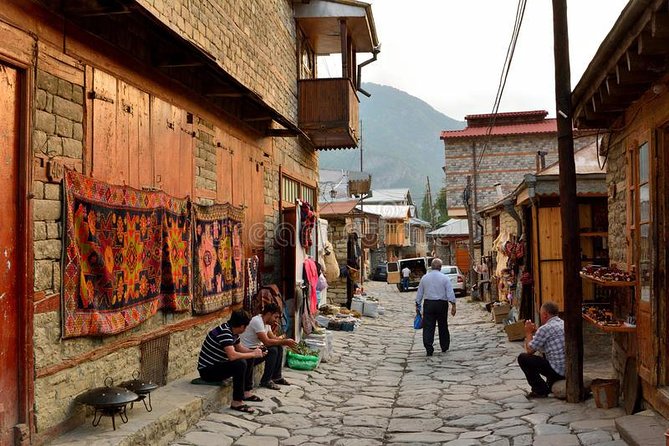
- Copper craft with engraved ornament, plus wood carving and embossing traditions
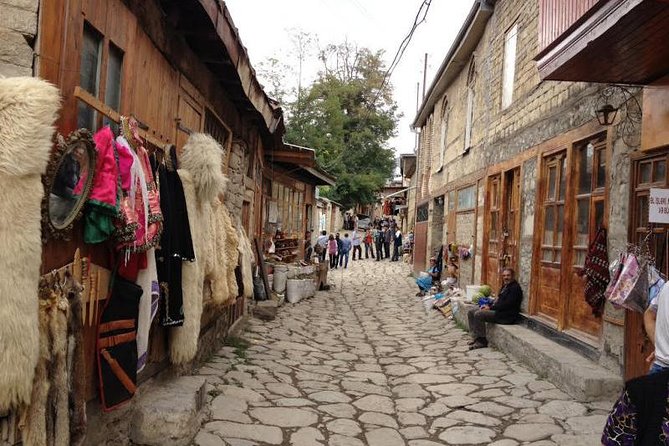
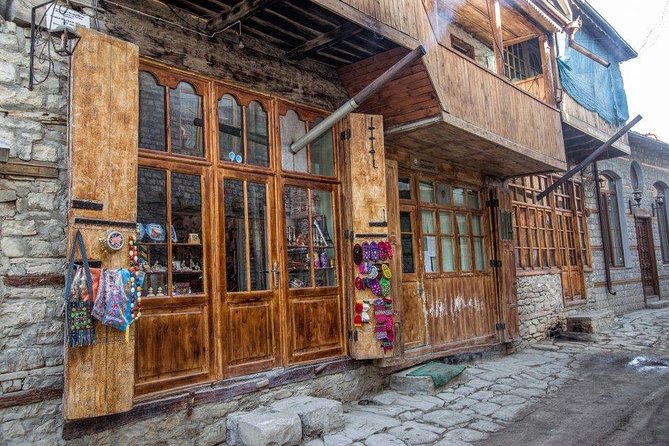
- Cobblestone lanes, squares, and old quarters that make the village feel medieval, not staged
- A road that can feel risky under rocky slopes, so choose shoes and keep your pace steady
- The 1,500-year water and sewerage story, one of Lahij’s most talked-about details
- Guides like Anar or Habib who bring clear explanations and a good sense of humor
More on the Shamakhi and Lahij road
- Shamakhi And Gabala Tour (All inclusive)
★ 5.0 · 815 reviews - From Baku: Gabala and Shamakhi Tour (Free Baku City Tour)
★ 4.8 · 695 reviews - Gabala + Shamakhi tour (by Old City Tours)
★ 4.5 · 198 reviews - Gabala & Shamakhi Nature Tour (Group or Private)
★ 4.5 · 121 reviews
Why Lahij feels different from most Baku day trips
Lahij, often described as a village of masters, is less about big monuments and more about skilled work you can see and ask questions about. You’re walking through a place shaped by centuries of trading, making, and neighborhood craft quarters. Instead of just looking, you’re learning how artisans turn materials into everyday objects, from copper utensils to cold steel items.
Another reason I like this day trip is that it offers both texture and context. You get the street-level feel of cobbled lanes and village squares, and you also get the background behind why Lahij became famous. The guide portion matters here. With a strong guide, the village becomes a story you can follow, not just a set of stops.
Do keep expectations balanced. This is a craft-focused visit, so if you want museums with labeled exhibits and timed entry halls, you might find it more practical and hands-on. But if you enjoy cultural detail, small workshops, and the way people live inside their craft, Lahij is a very good fit.
Getting there from Baku: timing, ride comfort, and what to plan
This is a full-day outing, typically 10 to 12 hours from start to finish. That long window mostly accounts for travel time plus your village visit. The good news is that pickup is offered, so you’re not doing the hard part on your own in Baku traffic.
The less fun part is the road. One of the best pieces of practical advice I can give is to prepare for a route that can feel dangerous or exposed under rocky mountains. That doesn’t mean you should skip the trip, but it does mean you should take it seriously if you’re prone to motion sickness or you’re nervous on winding roads. Bring water, wear comfortable shoes, and keep your pace calm when you’re moving near steep drop-offs.
You’ll also want to think about your energy level. Because the village visit is the main event, you’ll likely spend most of your time walking and standing in workshop areas. A hat and sunscreen can help, since you may be outdoors while you explore. And if you want good photos, you’ll get better results when you slow down and angle your shots toward doorways, copperwork details, and street corners.
Lahic Guest House stop: the smart way to start the village
Your main stop is Lahic Guest House, and the visit is about 4 hours. Admission here is free, so you’re not paying extra to access the core village experience. This is a helpful setup because it keeps the day from turning into a complicated ticket puzzle.
Think of Lahic Guest House as your starting point for understanding Lahij. From there, you’re guided through the village feel, including the cobbled streets and squares that define the old town vibe. It’s also where you’re likely to get your key orientation and village background, so the craft demonstrations land better in your head.
A practical benefit of starting at a guest house location is that it helps you settle into local rhythm. You’re not rushing from bus to distant site. Instead, you begin with a place that’s already connected to how visitors and locals move through the area. That usually makes a big difference on a long day, especially when timing matters.
If you tend to do better with a clear start, this plan should suit you. If you dislike guided segments and prefer to roam completely on your own, you may feel more structured than you want, because the trip is built around learning the village during the visit.
Cobbled streets and workshop life: what craft looks like here
Lahij’s reputation is tied to the work of masters, and you’ll see that in how the village is organized. The place is known for potters and wood carvers, plus trades linked to copper and leatherwork. The crafts aren’t just decorative either. They’re often tied to household items people used every day.
One of the most praised parts of the experience is the workshop atmosphere and the blacksmith skill. Lahij is famous for manufactured cold steel and copper utensils, often decorated with engraved ornament. In and around the village, you can find multiple workshops, including a dozen or so that still function today. The key detail is that many of these are connected to hereditary blacksmiths who make household goods while explaining the process.
You’ll probably notice that the demonstrations feel active rather than staged. That’s the value here. You’re not just watching metalwork from a distance. You’re seeing how tradition is passed along, generation to generation, and how the craft fits into village life.
A note on pace: workshops can pull you in. If you love details, you might want to linger a bit longer at the copper and steel points. The schedule is built to give you time, but you’ll still benefit from moving between stops with intention, so you don’t miss the best street sections while you’re chatting.
The water system and early Lahij clues you can actually remember
One of Lahij’s standout stories is technical, and that’s what makes it memorable. The village is said to have had a water supply and sewerage system for at least 1,500 years. That’s an unusually specific claim for a small village, and it helps explain why Lahij isn’t just famous for crafts. People built infrastructure to support everyday life.
There’s also a timeline detail that you’ll hear during the trip. Lahij’s first quarter is described as dating back to the III to IV centuries. For me, that kind of period framing turns the walk into something more than sightseeing. Suddenly you’re thinking about how streets and craft quarters might have evolved over time, and why the village stayed important as trade centers grew.
You’ll also hear about how the village operates as a medieval trade and shopping hub. That matters because Lahij’s craft reputation isn’t random. It grew from long-term demand and local expertise.
The practical angle is this: when you hear these facts, ask your guide a follow-up question. For example, you can ask how the craft traditions relate to trade and daily life. When someone answers with clarity, the history becomes useful, not abstract. Guides such as Anar and Habib are especially noted for keeping things lively, with humor and real understanding that makes the information easier to carry home.
How to fit 10 to 12 hours without burning out
This is a long day, so the main strategy is simple: don’t overpack your mental to-do list. Instead, focus on a few themes.
First, pick one craft to prioritize: copper and engraved utensils, or cold steel and blacksmith work. Then let that guide your walking path through the village. When you anchor your attention, you’ll feel like you saw more, even if you move less.
Second, pace yourself for the road. If the ride makes you tense, treat the journey as part of the experience rather than a chore. Sit back, keep your breathing steady, and avoid rushing at transitions.
Third, wear shoes you trust. Lahij’s cobbled streets and village lanes can make you feel every step. Comfortable footwear helps you stay relaxed for photos, questions, and workshop time.
Finally, use your guide’s energy. The best part of a guided village day is when the guide turns what you see into something you understand. In the past, guides like Anar and Habib were highlighted for exactly that, keeping the trip from dragging with humor and clear explanations. Even if your guide isn’t one of those names, you’ll benefit from asking questions that connect the craft to the village story.
Price and value for a group up to 3 at $400
The price is $400.00 per group, up to 3 people, and the trip runs about 10 to 12 hours. On paper, that might look pricey until you break it down by how tour pricing actually works for day trips.
Here’s the value logic. You’re paying for transportation from Baku plus a guided experience focused on a specialized crafts village. Small group caps can also matter, especially when workshop time and explanations are the point. If you’re traveling as a pair or small family, this is often a better deal than booking separate seats on a larger bus tour.
If you’re traveling solo, the per-person cost will depend on whether the group fills with up to 3. If you’d rather pay less and share a bigger group, you might compare alternatives. But if you like a quieter experience and you want pickup, this format can be good value.
Also remember the admission piece. The Lahic Guest House stop is free, so you’re not adding on entrance fees for the core experience. That helps the day feel more straightforward and budget-friendly once you’ve paid the base tour price.
Who this tour suits best, and who should think twice
This tour fits you if you like artisan crafts, old streets, and practical storytelling. You’ll likely enjoy it most if you want to understand how copper and cold steel traditions are made and maintained, not just see a final product behind glass.
It also suits you if you want a guided day in a small group. A maximum of 6 travelers means there’s room for questions without feeling lost in a crowd. Guides known for humor and clarity can make the craft explanations easier to follow.
Who might think twice? If you dislike winding roads or feel uneasy with travel that can feel exposed under rocky slopes, you should consider your comfort level. Also, if you only want high-touch comfort and minimal walking, this might be more active than you want, since the village experience centers on cobbled lanes and workshop viewing.
If you’re the type who enjoys asking why something was made a certain way, you’ll get more out of Lahij. If you want a perfectly structured museum schedule with indoor time, you might find it less suited to your style.
Should you book Lahij, village of masters?
I think you should book this tour if your goal is a real craft day trip from Baku, with skilled metalwork and copper traditions as the focus. The combination of old village streets, active workshops, and the way guides connect the details makes it feel like more than a quick photo stop.
You should hold back if the road makes you nervous or you’re planning a day when you can’t handle a longer schedule. In that case, you can still enjoy Azerbaijan’s crafts culture, but you may prefer a gentler route option.
If you’re going, give yourself permission to slow down. Lahij rewards curiosity, not speed. Ask about what you see, pay attention to the engraved copper ornament and blacksmith work, and let the guide’s energy shape your pace. That’s how you turn a 10 to 12 hour day into a story you remember.
FAQ
Where does this tour take place?
It takes place in Lahij, in the Ismayilli region, starting from Baku, Azerbaijan.
How long is the Lahij village of masters tour?
The tour lasts approximately 10 to 12 hours.
How many people are in the group?
The maximum group size is 6 travelers.
What is the price?
The price is $400.00 per group, up to 3 people.
Is pickup offered?
Yes, pickup is offered.
Do I need an admission ticket?
Admission is free for the stop at Lahic Guest House.
Do I receive a mobile ticket?
Yes, the tour includes a mobile ticket.
How long is the main village stop?
The Lahic Guest House stop is listed as 4 hours.
Will I get information during the trip?
Yes, you will get all information about the ancient Lahij village during the trip.
Can I cancel for a full refund?
Yes. You can cancel up to 24 hours in advance of the experience for a full refund. If you cancel less than 24 hours before the start time, the amount paid will not be refunded.
The Rest of Our Azerbaijan Reviews


Shamakhi, Lahij and the Old Road


More of Azerbaijan we have been out and written up
- The Magnificent Baku Night Tour★ 5.0 · 3 reviews
- Small-Group Day Trip to Gobustan, Mud Volcanoes, Ateshgah & Yanar Dagh★ 4.5 · 3 reviews
- Private Sheki Tour – Four Regions of Azerbaijan in one day★ 5.0 · 3 reviews
- Full Day Guided Tour of Shamakhi and Gabala★ 5.0 · 3 reviews
- Qobustan Absheron Full Day Tour★ 5.0 · 3 reviews
Shamakhi & Lahij Tours, compared.
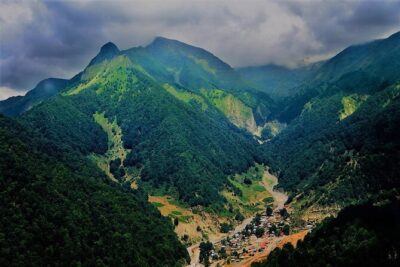 ★ 5.0Shamakhi And Gabala Tour (All inclusive)From $39815 reviews
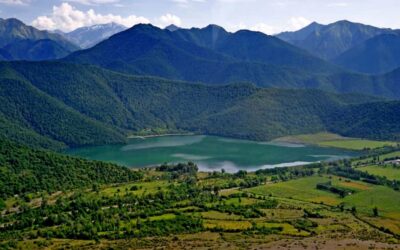 ★ 4.8Gabala and Shamakhi Tour (Free Baku City Tour)From $28695 reviews
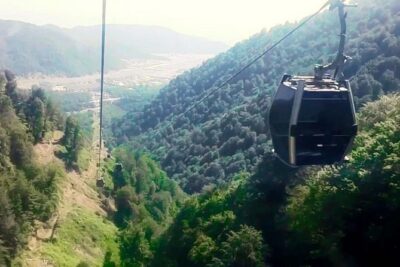 ★ 4.5Gabala + Shamakhi tour (by Old City Tours)From $59198 reviews
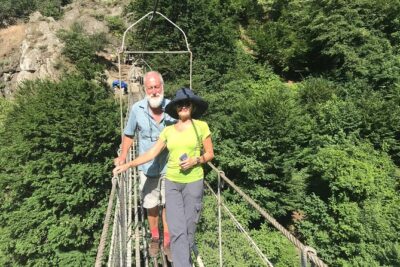 ★ 4.5Gabala & Shamakhi Nature Tour (Group or Private)From $59121 reviews
 ★ 4.5Gabala & Samakhi Tour/ All Entrance Fees Included TourFrom $39113 reviews
 ★ 3.9Shamakhi, Ismailli, Gabala and Sheki Day TourFrom $59112 reviews
 ★ 5.0Gabala and Shamakhi Trip (Group or Private)From $4579 reviews
 ★ 5.0Gabala & Shamakhi Trip ( Group or Private)From $4078 reviews
Browse the lists this tour appears in