
REVIEW · SHAMAKHI & LAHIJ TOURS
Shamakhi & Lahij Tour
Ancient crafts and cliff tombs in one long day. This Shamakhi and Lahij tour is built around free-entry historic stops and hands-on village craft time, so you see more than just viewpoints. I love how hotel pickup and a licensed English speaking guide keep the day organized, and I also like the natural drive through mountain scenery on the way in and out. One possible drawback: it is a long 10 to 11 hour day with limited breaks, so plan snacks and skip it if you want a slow, museum-only pace.
A key detail for me is the human touch. Guide El and driver Nazir are the kind of pairing that keeps things smooth, from timing the stops to making sure you know what to expect at each site. Since it is private for your group, you also get more freedom to ask questions without getting rushed by a larger crowd.
You should also know what is not included. Meals are not part of the price, and any additional attraction entry fees are not included, so bring a plan for lunch or a mid-afternoon snack.
In This Review
- Key things to know before you go
- Shamakhi and Lahij: a Silk Road workshop day trip from Baku
- Price and value for a 10 to 11 hour tour
- Hotel pickup, timing, and how the day is paced
- Juma Mosque in Shamakhi: barefoot entry and head covers
- Yeddi Gumbaz Seven Domes: the Shirvan Dynasty mood
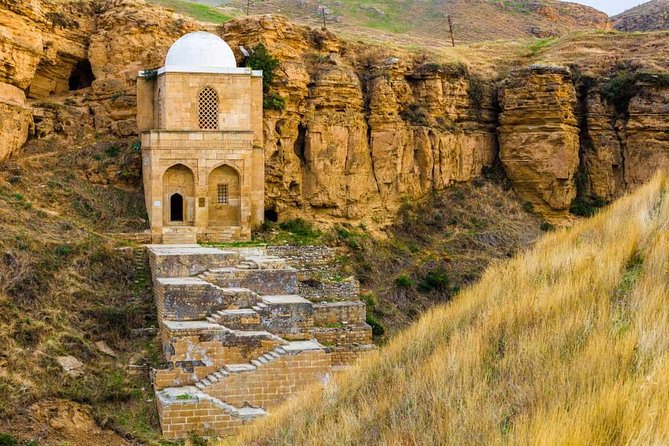
- Diri Baba Mausoleum on a cliff: two-storey architecture with carved stairs
- Lahij village, copper crafts, and the Zernava suspension bridge
- What to bring, wear, and watch for on this route
- Who should book this tour (and who might skip it)
- Should you book the Shamakhi and Lahij Tour?
- FAQ
- What time does the Shamakhi and Lahij Tour start?
- How long is the tour?
- Is hotel pickup and drop-off included?
- Do I need to pay for entry fees at the sites?
- Are meals provided?
- Is the guide English speaking?
- Is this a private tour?
- Can I cancel and get a full refund?
- Is the tour suitable for most people?
Key things to know before you go
- Free-entry religious and mausoleum stops across the Shamakhi side of the route
- Yeddi Gumbaz, Seven Domes, tied to Shirvan Dynasty tomb stories and a mysterious graveyard feel
- Diri Baba Mausoleum on a cliff, including a two-storey design with carved stair access
- Lahij craft village time, centered on copper and bronze work plus wood, leather, and textile goods
- A stop at the Zernava suspension bridge plus canyon views on the drive
- Guide El and driver Nazir, a calm, coordinated team that makes a long day feel manageable
More on the Shamakhi and Lahij road
- Shamakhi And Gabala Tour (All inclusive)
★ 5.0 · 815 reviews - From Baku: Gabala and Shamakhi Tour (Free Baku City Tour)
★ 4.8 · 695 reviews - Gabala + Shamakhi tour (by Old City Tours)
★ 4.5 · 198 reviews - Gabala & Shamakhi Nature Tour (Group or Private)
★ 4.5 · 121 reviews
Shamakhi and Lahij: a Silk Road workshop day trip from Baku
This is one of those Azerbaijan day trips where the main reward is not only what you see, it is what you learn to notice. Shamakhi brings the solemn side, with mosques and mausoleums tied to older dynasties and regional traditions. Then Lahij shifts the mood fast, from stone and shadow to craft, tools, and copperwork you can actually point at.
Lahij is described as a cultural reserve and a stop linked to the Great Silk Road era. The practical takeaway for you is that the village is not a generic souvenir street. It is a working craft center, known for non-ferrous metal techniques, especially copper and bronze. You will also run into knitted and woven goods, wood and leather ware, and even souvenir knives, all connected to the village’s trade culture rather than mass factory production.
The best part is the flow. You start with stops that teach you about place and belief, then you move into the workshop rhythm of Lahij. That sequence makes the day feel like a story, not a checklist.
Price and value for a 10 to 11 hour tour
At $130 per person, this tour is priced like a full guided excursion, not a quick drive-by. You get hotel pickup and drop-off, a professional licensed English speaking guide, a driver, bottled water, and the tour includes the listed destinations.
Where the value really shows is in what is already handled. The guide does the interpretation at each stop, so you are not trying to piece together names like Juma Mosque, Yeddi Gumbaz, and Diri Baba on your own. The driver also matters because the route includes winding roads through forested mountain areas, plus time built into the schedule for photo stops and site viewing.
One caution on value math: meals are not included. Since the day can stretch to 10 to 11 hours, budget at least for a lunch or snack plan. Also note that the tour says entry fees for museums or attractions are not included in general, even though the mosque and two mausoleums listed here have admission noted as free. So it is still wise to carry a little extra in case you choose to add anything on the ground.
Hotel pickup, timing, and how the day is paced
The start time is 9:00 am, and the day runs about 10 to 11 hours. That tells you the rhythm upfront. You will not spend half your time in one location. Instead, you get shorter viewing windows at the key historic sites, then a longer block in Lahij to explore the streets and craft shops at your own speed.
Each stop is timed in a way that usually works well for most people. Juma Mosque is about 20 minutes, Yeddi Gumbaz about 30, and Diri Baba about 20. Lahij then gives you roughly 2 hours, which is the practical sweet spot for browsing crafts, walking the cobbled lanes, and checking out metalwork details without feeling like you are being rushed.
If you hate long days, this may feel like a lot. If you like variety, it is a solid format. And if you are pairing this with other Baku sightseeing, the early start helps you keep your evening open.
Juma Mosque in Shamakhi: barefoot entry and head covers
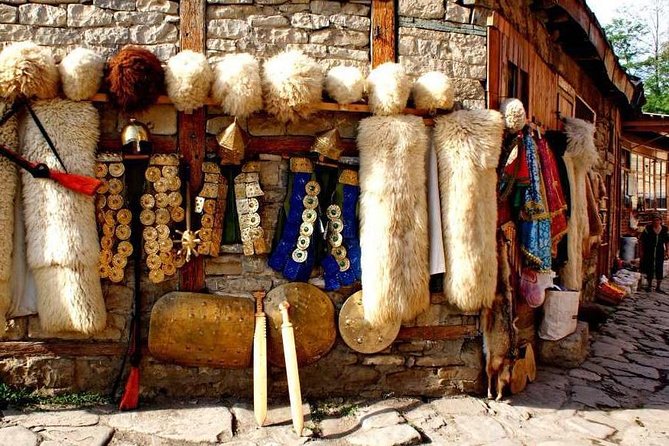
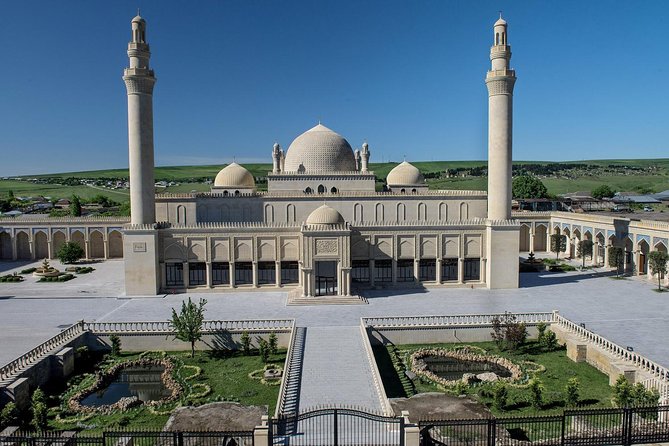
Juma Mosque, also called Friday Mosque of Shamakhi, is one of the places that makes this tour feel welcoming. A big plus for you is that entrance is permitted even to non-Muslims, so you can visit respectfully without feeling like it is off-limits.
Plan for practical rules at the door. You need to remove your shoes, but you will not be stuck in discomfort because the floor is covered with thick carpets. That means you can usually focus on the architecture and atmosphere rather than worrying about walking barefoot for a short visit.
If you are visiting as a woman, head cover is required to enter. The good news is that head covers are provided free at the entrance, and you return them when you leave. This is exactly the kind of detail that makes or breaks a smooth experience, so take it seriously even if you usually travel light.
The viewing window is short, about 20 minutes. That works best if you come with a simple goal: look for the interior feel, notice how the space supports worship, and take a few photos where allowed. In a short stop, quick observation beats deep study.
Yeddi Gumbaz Seven Domes: the Shirvan Dynasty mood
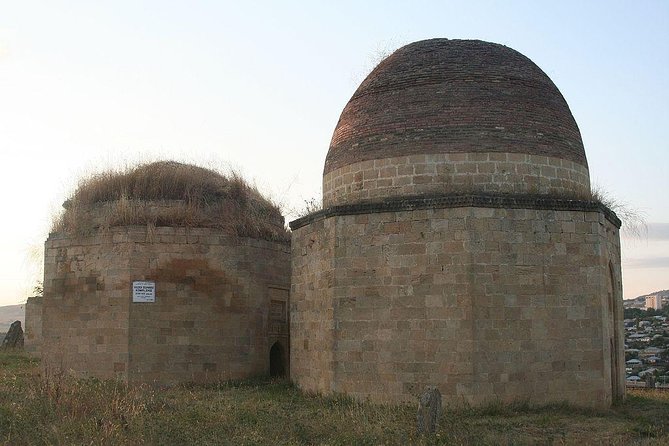
Yeddi Gumbaz Mausoleum, often translated as Seven Domes, is where the day shifts into a more mysterious tone. The site is located at the foot of Gulistan Fortress, which helps you understand why the area feels dramatic. You are not just looking at isolated tomb stones. You are looking at a place shaped by its setting.
The “Seven Domes” name connects to the number of gravestones in the crypt. Today, the gravestones look like half-destroyed stone domes, as if they have grown directly from the ground in a deserted graveyard. That visual effect is the hook. It makes the space feel older and more otherworldly than a typical cemetery stop.
The tour gives you about 30 minutes here, so you can slow down. I like this kind of stop because you get to “read” the place with your eyes. Notice how the domes rise unevenly, how the ruins sit in the surrounding emptiness, and how the fortress context adds scale.
The only drawback is that this is an atmosphere stop, not a hands-on craft stop. If you crave busy markets and active demonstrations, you might want to frame this as a quiet chapter of the day, then look forward to Lahij for the energy boost.
Diri Baba Mausoleum on a cliff: two-storey architecture with carved stairs
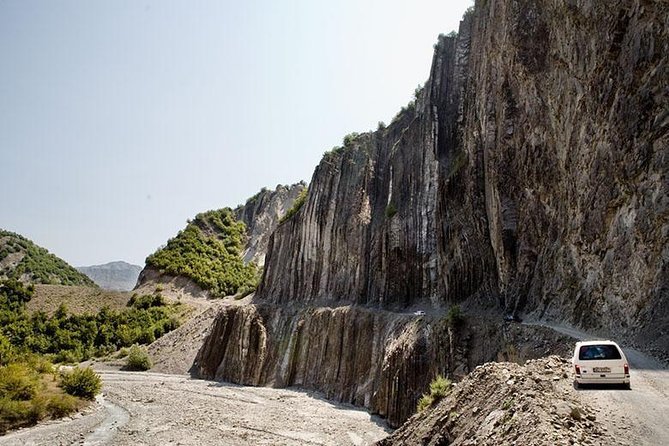
Diri Baba Mausoleum is the kind of architecture that feels like it belongs in a hillside painting, because it is set in a square located on a cliff. You get a strong sense of how builders worked with the terrain instead of ignoring it.
The building is two-storeyed. The first level has a hall with a passageway to an octahedral cupola from a small vestibule. Then there is a very specific feature for the second level: stairs leading to the second store hall are carved on the cliff itself.
Up top, the spherical cupola with a pointed top includes squinches decorated with plant ornaments. Even if you are not an architecture specialist, you can still enjoy this by focusing on shapes. Look at how the cupola transitions and how the plant designs soften the stone.
The tour notes the monument is protected by the government, which is a good sign for you. It usually means you are visiting a site that has some care behind it, not a structure left to random wear.
You get around 20 minutes, which is enough to take in the setting, then circle for a few angles. If the weather is windy or the terrain is uneven, wear shoes you feel steady in.
Lahij village, copper crafts, and the Zernava suspension bridge
Lahij is the reason many people pick this tour in the first place. The drive turns scenic before you even reach the village, with forests and serpentine roads through the Caucasus Mountains. You also stop to see a canyon view and visit the Zernava suspension bridge.
The Zernava bridge stop is worth treating like a mini break. It is a chance to stretch your legs and reset your focus before the craft browsing starts. Suspension bridges tend to create instant photo energy, but the real value here is that it breaks up the long day and gives you one clear “wow” moment en route.
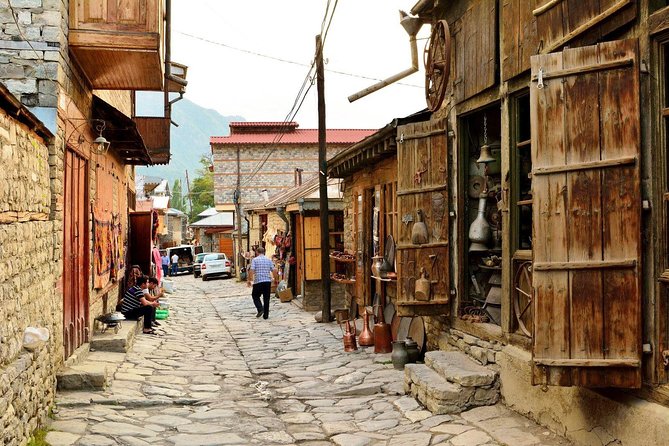
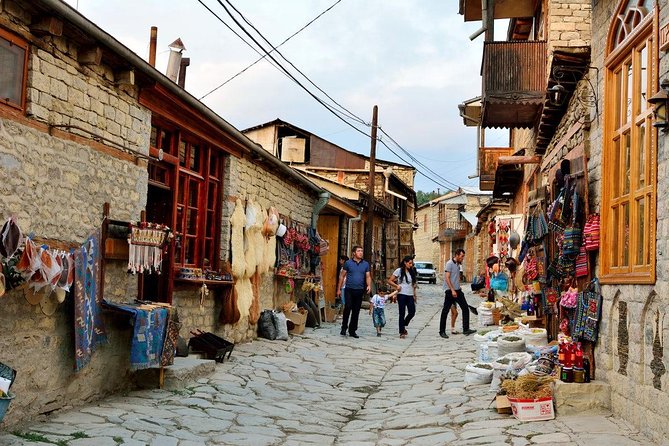
Then you arrive in Lahij and step into a craft village with two-storey houses and cobbled streets along the banks of the Girdiman River. The architecture and the street layout matter because they shape how you experience the shops and workshops. You can wander slowly without feeling like you are on a straight line sidewalk.
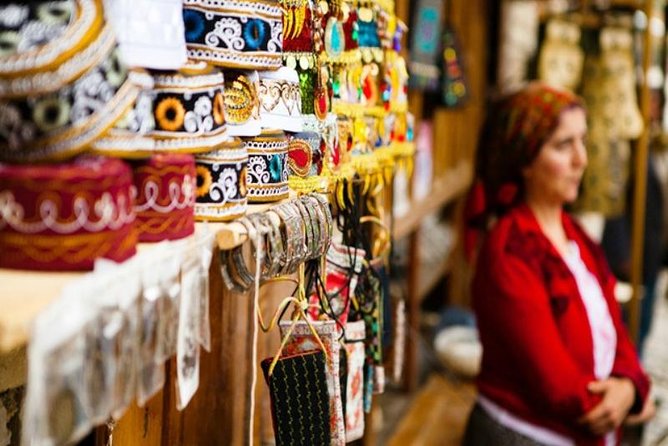
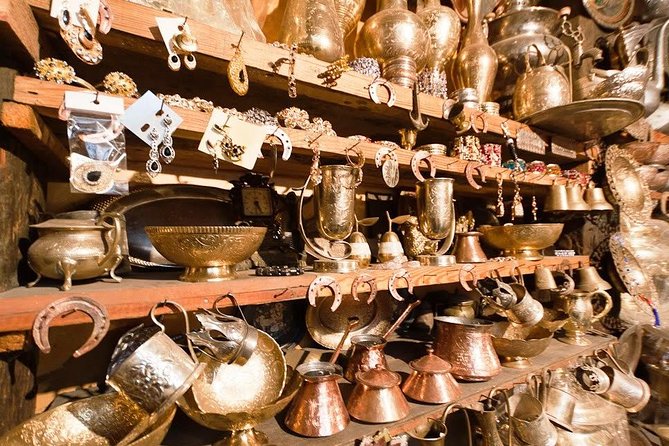
Here is where the cultural value gets practical. Lahij is known for traditional work in copper and bronze, and the craft details are visible. You can look for copper items with carving in the form of oriental ornaments, plus knitted and woven goods, wood and leather ware, and souvenir knives. If you like buying things you can actually explain, this is where you get that chance.
You also get roughly 2 hours in Lahij. Use that time with a plan. First, walk the main lanes to get your bearings. Then focus on one theme, like copper carving or leather goods. Finally, do your last-round browsing with a calmer eye so you do not feel pressured by the first stall you like.
What to bring, wear, and watch for on this route
This day trip has two very different settings: sacred sites where rules matter, and a village where you want to enjoy the walk. Pack for both.
For footwear, think practical. At Juma Mosque you remove shoes, but the interior floor is carpeted. Still, wear socks if you tend to feel cold barefoot, and bring shoes you can slip off quickly when needed. For Lahij and the streets, comfortable walking shoes are a must because cobbled streets can slow you down.
Dress modestly for mosque visits. That is not about style, it is about ease at entry. If you are traveling with headscarf needs, you will have head covers provided for women at Juma Mosque, but you may prefer your own for comfort.
Bring a small snack even if you plan to buy something later. Meals are not included, and a long 10 to 11 hour day can eat up your energy faster than you expect. Also, bottled water is included, but it is still smart to pace yourself.
Finally, keep your camera ready for the drive moments: mountain forests, winding roads, canyon views, and the Zernava suspension bridge. Those views are part of the day’s payoff.
Who should book this tour (and who might skip it)
Book it if you want a one-day mix of historic architecture and craft village time without jumping between separate tours. This format suits you if you enjoy short stops where a guide explains what you are seeing, then you take over for a longer exploration in Lahij.
It also works well if you like culture that is still in active use. Lahij’s focus on copper and bronze work gives you a different feel than places where crafts are only for show. You are meeting the real trade side of the village rather than only taking photos at a landmark.
Consider skipping it if you need lots of free time, a long lunch, or a slow pace. The schedule is tight by design. Short viewing windows at multiple sites can feel rushed if you prefer deep reading and long museum galleries.
Also, if you are someone who hates rules at religious sites, remember that Juma Mosque requires shoe removal, and women must cover their heads. The good part is that head covers are provided free and the carpets make barefoot time manageable.
Should you book the Shamakhi and Lahij Tour?
I would book it if you are in Baku and want a day that feels like two stories told back-to-back: Shamakhi’s solemn monuments, then Lahij’s craft culture. For $130, the value is strong because you get pickup, an English speaking guide, a driver, bottled water, and guided context at several key sites, including time in a working craft village.
I would think twice if your ideal day includes long meal breaks, museum-style lingering, or lots of downtime. This is a full-day outing, and you get the most out of it when you travel with curiosity and a practical mindset.
FAQ
What time does the Shamakhi and Lahij Tour start?
The tour starts at 9:00 am.
How long is the tour?
It runs about 10 to 11 hours.
Is hotel pickup and drop-off included?
Yes. Hotel pickup and drop-off are included.
Do I need to pay for entry fees at the sites?
Meals are not included, and entry fees for museums or attractions are listed as not included. The tour notes admission ticket free for Juma Mosque, Yeddi Gumbaz Mausoleum, and Diri Baba Mausoleum.
Are meals provided?
No. Any meals and drinks are not included.
Is the guide English speaking?
Yes. The tour includes a professional licensed English speaking guide.
Is this a private tour?
Yes. It is private, and only your group participates.
Can I cancel and get a full refund?
Yes, free cancellation is offered. You can cancel up to 24 hours in advance for a full refund.
Is the tour suitable for most people?
The tour notes that most travelers can participate.
More Azerbaijan Trips We Reviewed

The Rest of Our Azerbaijan Reviews

Shamakhi, Lahij and the Old Road
More of Azerbaijan we have been out and written up
- The Magnificent Baku Night Tour★ 5.0 · 3 reviews
- Small-Group Day Trip to Gobustan, Mud Volcanoes, Ateshgah & Yanar Dagh★ 4.5 · 3 reviews
- Private Sheki Tour – Four Regions of Azerbaijan in one day★ 5.0 · 3 reviews
- Full Day Guided Tour of Shamakhi and Gabala★ 5.0 · 3 reviews
- Qobustan Absheron Full Day Tour★ 5.0 · 3 reviews
Shamakhi & Lahij Tours, compared.
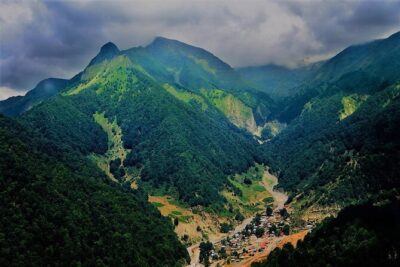 ★ 5.0Shamakhi And Gabala Tour (All inclusive)From $39815 reviews
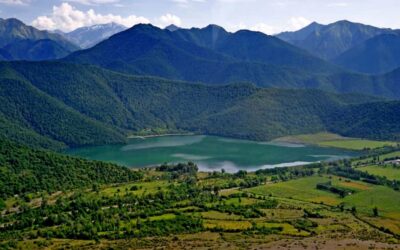 ★ 4.8Gabala and Shamakhi Tour (Free Baku City Tour)From $28695 reviews
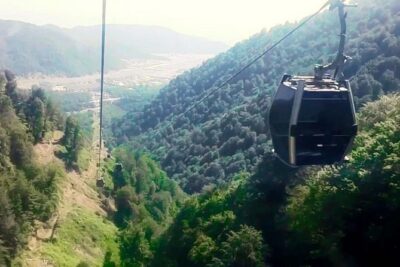 ★ 4.5Gabala + Shamakhi tour (by Old City Tours)From $59198 reviews
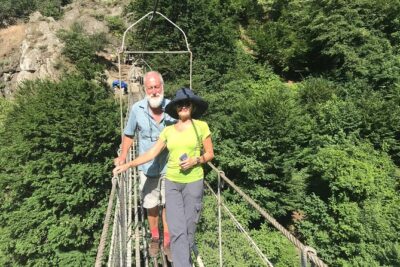 ★ 4.5Gabala & Shamakhi Nature Tour (Group or Private)From $59121 reviews
 ★ 4.5Gabala & Samakhi Tour/ All Entrance Fees Included TourFrom $39113 reviews
 ★ 3.9Shamakhi, Ismailli, Gabala and Sheki Day TourFrom $59112 reviews
 ★ 5.0Gabala and Shamakhi Trip (Group or Private)From $4579 reviews
 ★ 5.0Gabala & Shamakhi Trip ( Group or Private)From $4078 reviews
Browse the lists this tour appears in