
REVIEW · BAKU OLD CITY WALKS
Baku Downtown Original Walking Tour
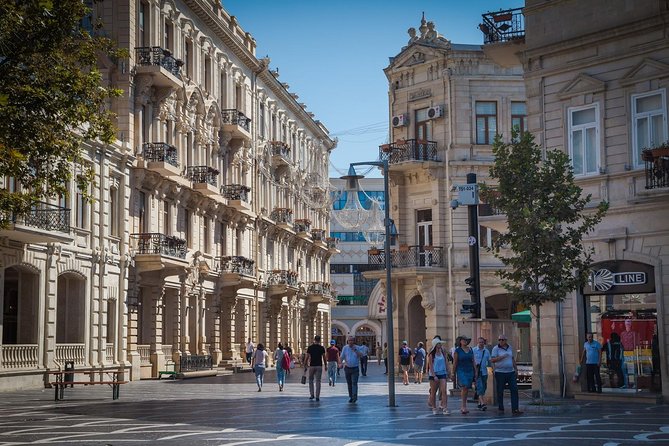
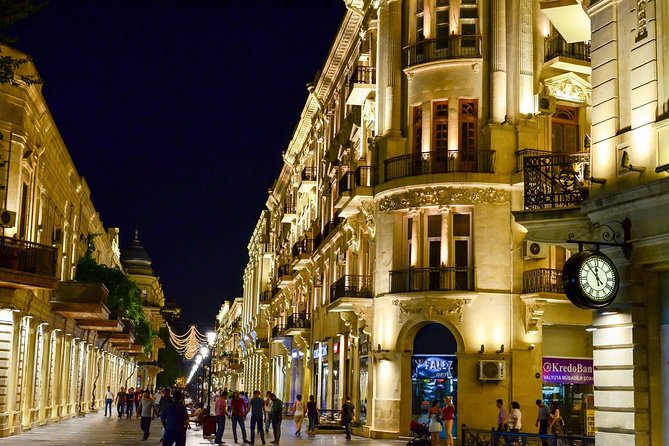
Baku downtown changes fast when you walk. This 2-hour small-group tour lets you connect the dots between European and Soviet architecture, while your guide threads it into everyday city sights. I love that it’s built around real buildings you can see up close, not just a quick drive-by.
Two things I especially like: the small group size (max 15) and the way the guide gives short, practical history at each stop. That combo makes it easier to ask questions and actually remember what you saw.
One consideration, plan for walking and outdoors time. It also runs on good weather, so if conditions are poor you may need a different date or a refund, depending on what happens.
In This Review
- Key highlights I’d plan around
- Entering Baku at Sabir Statue and Ismailiyyə Sarayı
- The Nizami Street mansion corridor and the millionaires’ touch
- Russian Drama Theatre and Jewish Synagogue stops that explain faith and culture
- Malokan Gardens: a calm pocket in the middle of busy downtown
- Museum of Azerbaijani History: what to do with your eyes
- Seaside National Park and Caspian Sea views: the boulevard break
- How the guide makes European and Soviet Baku click
- What about Highland Park and Heydar Aliyev Centre?
- Price and value: $16.39 for 2 hours that actually covers ground
- Who this tour suits best (and who might want another option)
- Should you book the Baku Downtown Original Walking Tour?
- FAQ
- How long is the Baku Downtown Original Walking Tour?
- What time does the tour start?
- Where is the meeting point?
- How much does the tour cost?
- How many people are in a group?
- Is lunch included?
- What is included in the tour price?
- Is there a mobile ticket?
- What should I expect to see during the walk?
- Can I cancel for a full refund?
Key highlights I’d plan around
- Max 15 people for closer attention and more back-and-forth with your guide
- Starts at Sabir Statue and Ismailiyyə Sarayı so you’re in the right historic pocket immediately
- European and Soviet architecture explained through mansions, theatres, and civic buildings
- Museum of Azerbaijani History and Malokan Garden anchor the walk with real “stop and look” moments
- Caspian Sea views plus a seaside national park boulevard vibe for an easy change of pace
- Free cancellation up to 24 hours helps if your dates are flexible
More laps of Icherisheher, compared
- Baku Oil Heritage & Old Town Walking Tour
★ 5.0 · 232 reviews - Guba Khinalug & Candy Cane Mountains tour (by Old City Tours)
★ 4.5 · 208 reviews - Gabala + Shamakhi tour (by Old City Tours)
★ 4.5 · 198 reviews - Baku Walking Tour (Old City)
★ 5.0 · 127 reviews
Entering Baku at Sabir Statue and Ismailiyyə Sarayı
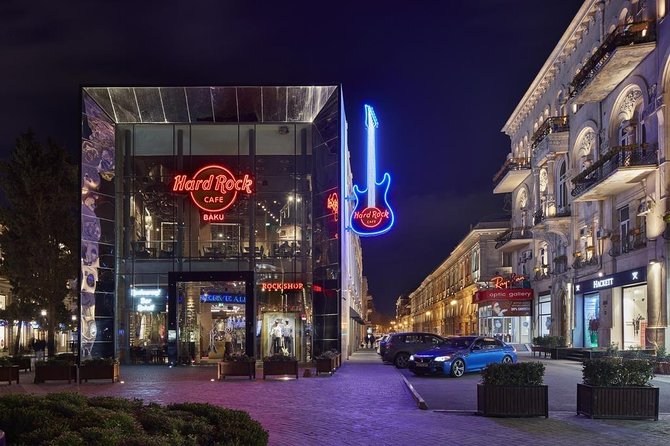
Your tour starts where Baku already feels like a movie set. The meeting point is at the Sabir Statue and the Ismailiyyə Sarayı (address listed as 10 ул. Истиглалият, Bakı). Even before the walking begins, you’re in a part of downtown that sets the tone: grand civic style, historic fabric, and streets that still feel active.
What I like about this start is how it shapes your mindset. You’re not wandering randomly through town. You’re starting at a central, recognizable landmark, then moving into the kind of streets where Baku’s layers are visible side by side. That matters because Baku can feel confusing at first glance. One minute you see European-style details, the next you’re looking at Soviet-era forms and later building styles. A guided walk helps you connect what you’re seeing to why it exists.
This is also a smart length. At about 2 hours, it’s enough time to cover a lot, but short enough that you won’t feel like you’ve been “on tour” all day. The start time is 4:00 pm, so you usually get pleasant late-day light for photos, and you avoid the hottest parts of the day if you’re traveling in summer.
Finally, it’s a near-public-transport meeting point. That’s practical if you’re staying a bit outside the center or you’re mixing this walk with other plans.
The Nizami Street mansion corridor and the millionaires’ touch
One of the tour’s strongest themes is how wealth shaped the city. As you move around and especially near Nizami Street, you’ll get acquainted with mansions and estates tied to Baku’s past and present millionaires. The point is not just to admire pretty facades. It’s to understand what kind of money built these streets, and what kind of taste that money wanted to show.
In practical terms, Nizami Street is perfect for a walking tour because the buildings are close enough to read. You can spot differences in design language, proportions, and decorative choices. You can also pause. And pausing is what turns a “sightseeing walk” into something memorable.
Here’s what to watch for when you’re there:
- How styles mix, so European and Soviet influences don’t feel like separate cities
- Any older mansion-like facades where the street width and building scale make details visible
- Signs of civic versus private grandeur, meaning homes and estates compared to public institutions
The guide’s short history at each stop is key. Without that, it’s easy to treat these as just photogenic walls. With context, you start noticing patterns: which buildings feel like social statements, which feel like official power, and which look like they were built to impress in daylight and in public.
If you enjoy architecture more than “museum stuff,” this is the part where you’ll likely feel the most payoff. And if you love people-watching, mansion streets can also be a nice change from the high-traffic shopping zones.
Russian Drama Theatre and Jewish Synagogue stops that explain faith and culture
Downtown Baku includes religious sites and cultural institutions side by side, and this tour uses that to tell a story. Two named highlights are the Russian Drama Theatre and the Jewish Synagogue, both included in the walking route.
Why these stops work:
- They show how Baku was never one single culture at one single time.
- They make “history” tangible because theatres and synagogues are designed for community life, not just private interest.
At the Russian Drama Theatre area, you’re likely to notice the civic, formal feel that theatres often carry. Even if you don’t go inside, the exterior style helps you picture how culture and public life used to flow in central Baku.
With the Jewish Synagogue, you get a different kind of architectural language and a different cultural marker. It’s the kind of stop that benefits from a guide who can explain without turning the story into a lecture. The tour is built for conversation and short history of the building, so you’re not stuck with long speeches. You can ask what something symbolizes, how the building fits into the neighborhood, and why it is still standing in a modern downtown.
One practical note: religious buildings are the best places to be respectful with photos. If you want pictures, take a second to read the situation first. If the area feels active or quiet in a meaningful way, treat your camera like it belongs to the setting, not above it.
Malokan Gardens: a calm pocket in the middle of busy downtown
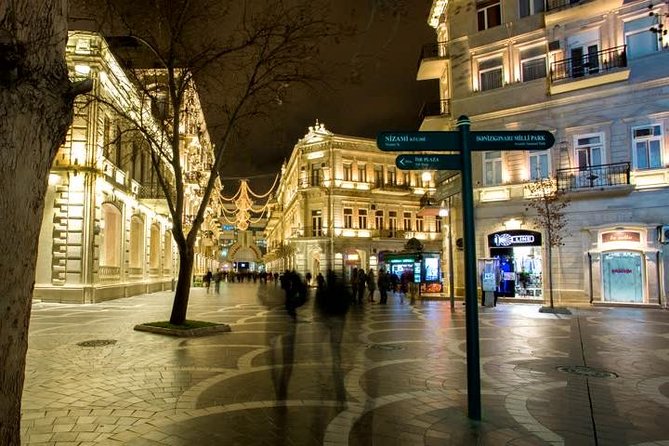
After the busier landmark zones, Malokan Gardens gives you a break. It’s listed as one of the included sights, and for a walking tour, that’s valuable. Gardens and green pockets change your pace, and they also help you reset visually after architecture and street scenes.
What I’d expect you to feel here is a different rhythm. A garden stop is where your eyes get relief. You have a chance to stand back, take photos, and breathe. It also gives the guide room to connect “history” to daily life. Gardens often become meeting points in old neighborhoods, not just background greenery.
If your day already includes a lot of city walking, Malokan Gardens can be the moment where you realize the tour doesn’t just rush. It tries to balance focus points with natural breaks.
Even if you’re not a “garden person,” Malokan Gardens is worth caring about because it gives context. Baku’s downtown can feel dense. A green stop helps you remember the city isn’t only stone and iron. It also has curated outside spaces that support community and reflection.
Other people showing you the same city
Museum of Azerbaijani History: what to do with your eyes
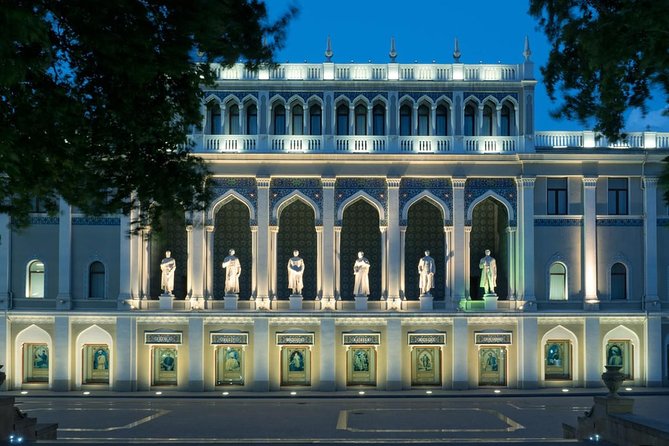
The walk includes a stop at the Museum of Azerbaijani History. Even if you only spend a limited amount of time at museums like this on a walking tour, it’s a smart choice as a mid-route anchor. The point is that museums give you names and timelines, while walking gives you spatial context.
When you’re on a short tour, you won’t have time to “read everything.” Instead, use the museum stop as a way to make sense of the buildings you’ve already seen. Ask your guide to point out what connects the museum themes to what you see on the street: civic identity, historic community life, and how Baku’s development shaped everyday spaces.
If you’re the kind of traveler who likes to take notes, this is where your questions get easier. After seeing architecture and faith-related landmarks, the museum can help you translate those visual clues into a clearer mental map.
If you’re short on time, don’t feel pressured to absorb every detail. Your goal is to leave with a clearer understanding of Azerbaijan’s story as it shows up in downtown streets.
Seaside National Park and Caspian Sea views: the boulevard break
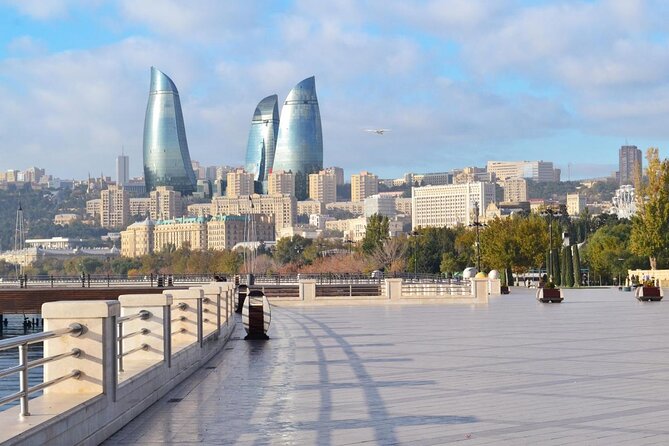
One of the tour highlights is views of the Caspian Sea during your walk. It also includes a chance to walk in the seaside national park area, which is mentioned as being in the running for the title of the largest boulevard.
This part matters more than it sounds. Downtown architecture can be mentally heavy. A sea-view break resets you. You also get a different feel for Baku as a city: not only a historic capital with old buildings, but a place with a strong waterfront identity.
What you’ll likely enjoy here:
- Wider sight lines for photos
- A change in street noise and crowd texture
- A cooling break if the weather is warm
If you’re hoping to balance your time in Baku, this is the section that helps. You’re not stuck in a single style or era. The city opens up. Even if your walking pace slows just because the view pulls you in, that’s a good thing. It helps the rest of the tour stick.
Also, boulevard areas usually make it easier to orient yourself. Once you’ve seen the sea angle, downtown streets often make more sense afterward, even if you come back later on your own.
How the guide makes European and Soviet Baku click
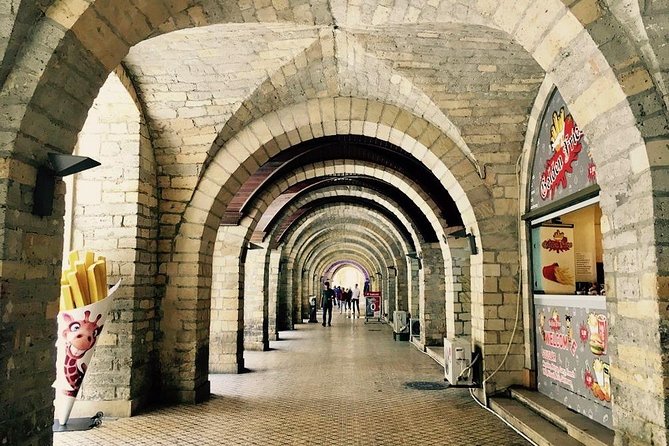
The tour’s core promise is interpretation, not just sightseeing. Your guide shows the mix of European and Soviet architecture and provides context for the city. That’s a big deal, because these two influences can look like random style choices if you don’t know what to look for.
The tour format helps. It’s built for conversation, and included services include a short history of the building at each stop. With a group size capped at 15, you tend to get more direct answers instead of watching a guide talk over everyone’s heads.
In plain terms, a good guide does three things on a walk like this:
- Points out details you’d miss if you were just taking photos
- Connects the buildings to a timeline or reason
- Helps you understand how different parts of the city evolved
The reviews you’ll read about this tour strongly emphasize that the guide is informative and that you walk a lot while seeing many different places. That matches what you should want from a 2-hour downtown route. You’re not paying to stand still. You’re paying for momentum, context, and smart routing.
One more tip: bring questions. If you care about architecture, ask what design cues separate the styles you’re seeing. If you care more about culture, ask why these institutions were built where they were. The tour is structured to handle those conversations.
What about Highland Park and Heydar Aliyev Centre?

One review notes a convenient, comfortable trip paired with visits to Highland Park and the Heydar Aliyev Centre. That’s not listed in the basic highlight set, so I can’t promise it’s on every departure. But it suggests some versions of this overall experience may include added sights beyond the core downtown focus.
If Highland Park and the Heydar Aliyev Centre are on your must-see list, it’s worth confirming with the provider when you book. The good news is that even if you don’t get those extra stops, the downtown walking portion is still substantial and focused, with multiple major landmarks included.
Think of this as a potential bonus. The safe bet is downtown: Nizami Street areas, Malokan Gardens, Museum of Azerbaijani History, and the theatre and synagogue landmarks.
Price and value: $16.39 for 2 hours that actually covers ground
At $16.39 per person, this is an easy-to-swallow price for a guided walking tour in a city center. The value is in three places:
- You get a live guide giving short history and conversation.
- You cover a dense set of stops in about 2 hours.
- Small group size means you’re not just paying for movement, you’re paying for attention.
Also, this is one of those tours that fits well into a longer itinerary. You’re not locked into a full day. It’s a good option if you want to understand the city’s “why” quickly, then spend the rest of your trip exploring on your own.
One practical point: the tour is booked on average 75 days in advance. That doesn’t mean it will be sold out every day, but it does mean you shouldn’t wait until the last minute if you’re traveling during a busy period.
The tour also has a mobile ticket and group discounts. If you’re traveling as a group of friends or family, check how the discount applies so you can maximize value.
And yes, lunch is not included. That’s normal for a walking tour, but it changes your planning. If you’re starting at 4:00 pm, you can usually handle a light snack or plan an early dinner afterward, without needing the tour to provide anything.
Who this tour suits best (and who might want another option)
This walking tour is a great match if you:
- Like architecture and want the context, not just the photo
- Want a quick orientation to central Baku’s European and Soviet mix
- Prefer small groups where you can ask questions
- Enjoy walking in the downtown core, then relaxing later
It might be less ideal if you:
- Don’t like walking or you need long stretches of rest
- Want a big museum experience with lots of time inside
- Are sensitive to weather, since the experience requires good weather
The upside is that it’s only about 2 hours. You can still get a lot done without committing a massive block of time.
Should you book the Baku Downtown Original Walking Tour?
I think you should book this tour if you’re aiming to understand Baku fast, in a smart, guided way. The combination of small-group attention, multiple major downtown landmarks, and the way the guide explains how European and Soviet architecture coexist is exactly what a first or second day in Baku needs.
The main reason to hesitate is weather dependence and the fact that you’ll be walking. If you’re flexible and plan comfy shoes, the tour format is strong for the time you give it.
If you want a clear downtown route that connects key sites like the Russian Drama Theatre, Jewish Synagogue, Malokan Gardens, and the Museum of Azerbaijani History, this is a solid value at $16.39. And if an optional pairing with Highland Park and the Heydar Aliyev Centre is available on your date, even better.
FAQ
How long is the Baku Downtown Original Walking Tour?
The tour lasts about 2 hours.
What time does the tour start?
The start time is 4:00 pm.
Where is the meeting point?
The meeting point is Sabir Statue and Ismailiyyə Sarayı, 10 ул. Истиглалият, Bakı, Azerbaijan.
How much does the tour cost?
It costs $16.39 per person.
How many people are in a group?
The tour has a maximum of 15 travelers.
Is lunch included?
No. Lunch and drinks are not included.
What is included in the tour price?
A tour guide is included, along with conversation and short history of the building.
Is there a mobile ticket?
Yes, the tour includes a mobile ticket.
What should I expect to see during the walk?
You’ll see the downtown area highlights and historic buildings, including the Russian Drama Theater, Jewish Synagogue, Malokan Gardens, Museum of Azerbaijani History, German Lutheran Church, and you’ll also get Caspian Sea views from the seaside national park area.
Can I cancel for a full refund?
Yes. Free cancellation is available, and you can cancel up to 24 hours in advance for a full refund.
The Rest of Our Azerbaijan Reviews


Baku, Start to Finish

Deeper Into the Old City
More of Azerbaijan we have been out and written up
- The Magnificent Baku Night Tour★ 5.0 · 3 reviews
- Small-Group Day Trip to Gobustan, Mud Volcanoes, Ateshgah & Yanar Dagh★ 4.5 · 3 reviews
- Private Sheki Tour – Four Regions of Azerbaijan in one day★ 5.0 · 3 reviews
- Full Day Guided Tour of Shamakhi and Gabala★ 5.0 · 3 reviews
- Qobustan Absheron Full Day Tour★ 5.0 · 3 reviews
Baku Old City Walks, compared.
 ★ 5.0Baku Oil Heritage & Old Town Walking TourFrom $70232 reviews
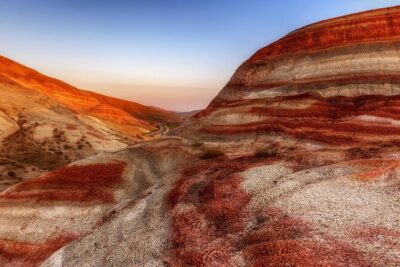 ★ 4.5Guba Khinalug & Candy Cane Mountains tour (by Old City Tours)From $79208 reviews
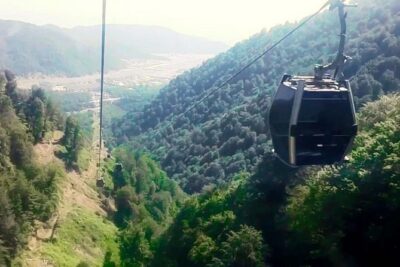 ★ 4.5Gabala + Shamakhi tour (by Old City Tours)From $59198 reviews
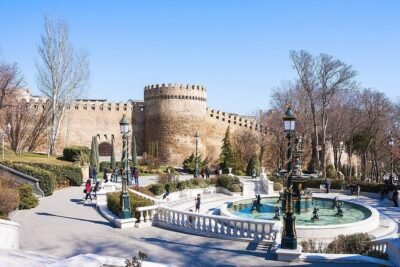 ★ 5.0Baku Walking Tour (Old City)From $18127 reviews
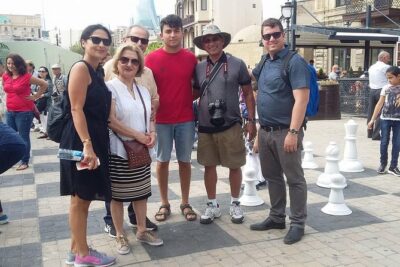 ★ 5.0Baku Old Town Walking Tour with a LocalFrom $7864 reviews
 ★ 4.5Baku Old City Tour (officially by Old City Tours)From $2546 reviews
 ★ 5.0Baku Old City Wonders: A Walking Tour Through TimeFrom $3036 reviews
 ★ 3.9Old City Walking TourFrom $5721 reviews
Browse the lists this tour appears in