
REVIEW · GOBUSTAN ROCK ART & MUD VOLCANOES
Baku: Gobustan Absheron Tour Entry Tickets included
Baku’s Absheron peninsula feels like a science-fiction reel from old to new. This day trip strings together Gobustan rock carvings and the mud volcano off-road stops in one efficient route, so you get both deep prehistory and weird natural power without planning a thing. My favorite part was how guides like Murat and Gani connect what you see to real stories, so the sites feel less like checkboxes and more like a timeline you can walk through.
The main trade-off is that the day includes a couple of optional or add-on ticket choices, and the mud volcano off-road car fee is listed as mandatory before you start. If you want the budget to stay ultra-tight, read the ticket options up front and decide what you actually want to purchase.
In This Review
- Key highlights worth your attention
- Gobustan Rock Art Reserve: prehistoric carvings in plain sight
- Mud Volcanoes by 4×4: alien-looking craters and short ride time
- Bibi-Heybat Mosque and the First Oil Well: faith and industry side by side
- Lunch and pacing: how to keep your energy for fire and flames
- Ateshgah Fire Temple and Yanardag: Zoroastrian fire, explained by what burns
- Heydar Aliyev Center photo stop: futuristic architecture in one shot
- Price and ticket options: what $6 really means for your wallet
- Tour fit: who will love this day trip most
- Should you book the Gobustan and Absheron day tour?
- FAQ
- Where does the tour start?
- What stops are included in the itinerary?
- Is lunch included?
- Are entry tickets included in the price?
- What extra ticket fees should I expect?
- Are there any restrictions during the tour?
- What languages are available?
Key highlights worth your attention
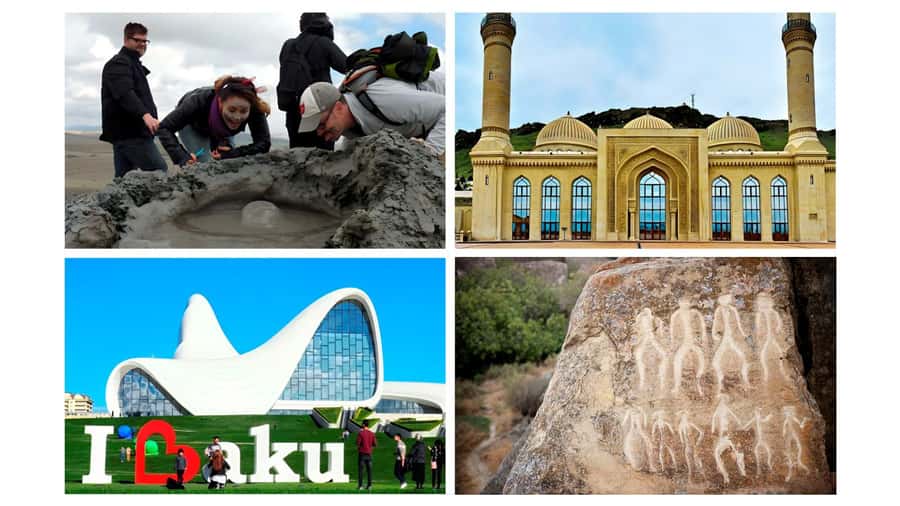
- Gobustan National Park rock art: UNESCO-protected petroglyphs, carved by people long gone
- 4×4 mud volcano ride: short, bumpy, and built for getting close to bubbling craters
- Bibi-Heybat Mosque and the First Oil Well: faith and industry history in the same day
- Ateshgah Fire Temple and Yanardag: natural flames tied to Zoroastrian tradition and geology
- Heydar Aliyev Center photo stop: futuristic architecture, plus the I LOVE BAKU sign
Other ways to do the petroglyphs and the bubbling mud
- Baku: Gobustan, Mud Volcano, Fire Mount, Temple Lunch Entry
★ 4.9 · 3,246 reviews - BEST Gobustan, Volcanoes & Absheron Fire Tour (Group or Private)
★ 5.0 · 1,254 reviews - Gobustan and Absheron tour (All inclusive)
★ 5.0 · 1,014 reviews - Baku: Gobustan, Volcanoes, Fire Temple and Yanardag Day Trip
★ 4.7 · 433 reviews
Gobustan Rock Art Reserve: prehistoric carvings in plain sight
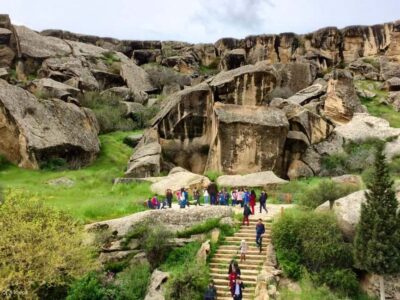
If you only have one day around Baku, Gobustan is the one place that makes the rest of Absheron snap into focus. The Gobustan Rock Art Reserve centers on millennia-old carvings and caves, the kind of marks you can stare at and suddenly realize someone thought enough to record their world on stone.
The experience works because it is not just a museum. You are walking around an outdoor reserve where the carvings sit right there, exposed to the same weather that has shaped the stones for ages. That matters. It turns history from something you read into something you navigate. You start noticing repeated themes in the petroglyphs, and your guide can point out details that would be easy to miss on your own.
A practical tip: expect time for actual looking, not just a quick pass. The best moments are when the group slows down, and you get a sense of scale, from the size of the carvings to the way the terrain channels where people likely moved. If you care about early human life around the Caspian shores, Gobustan does a solid job of giving that context without drowning you in dates.
One thing to plan around: there is an optional fee for Gobustan park rock carving (10 AZN listed as optional). If you are on a strict shoestring, you might skip the optional add-on. If you love details and want the most complete experience at Gobustan, pay it. Either way, Gobustan is the anchor stop that makes the tour feel like more than a highlight reel.
Mud Volcanoes by 4×4: alien-looking craters and short ride time
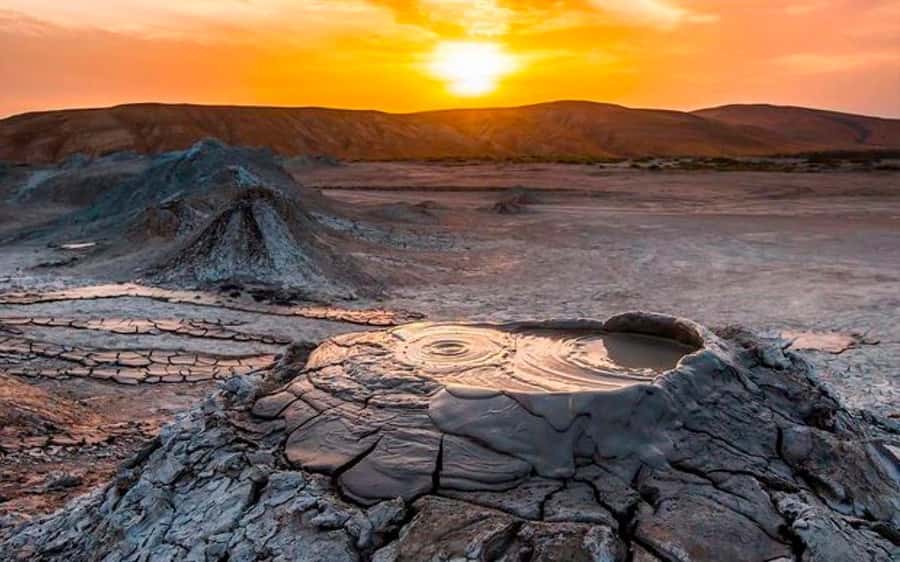
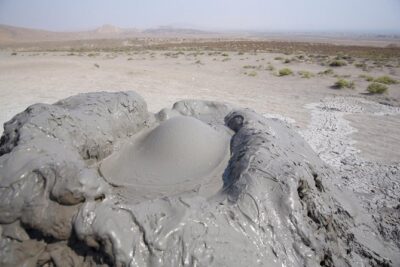
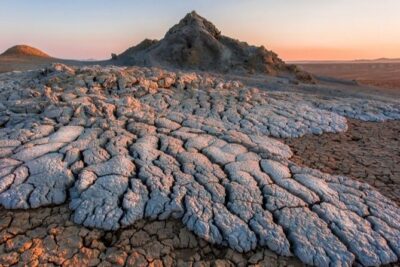
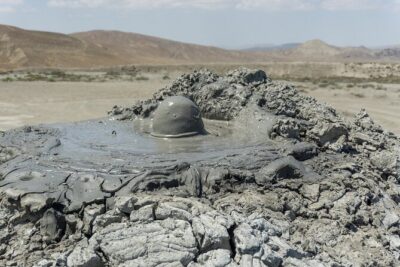
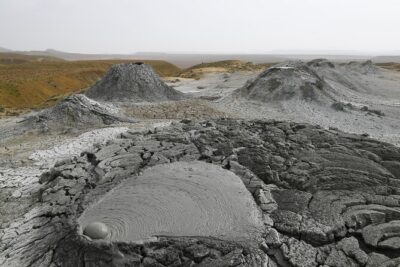
The mud volcano part is where Absheron turns strange. You go off-road by 4×4 to see bubbling craters and surreal, lunar-style terrain created by geological activity. It is not a slow stroll. It is a controlled adventure, and the ride helps you reach areas you would not get to any other way.
From your comfort perspective, this is the stop where the “day trip” format can feel slightly rushed. Even in a well-run tour, your time at the mud volcanoes may feel brief once you factor in the ride there, a quick orientation, and the chance to move around safely. Still, the payoff is strong: you see real mud bubbling and you get that wow factor of watching something Earth does that looks almost otherworldly.
Budget heads up: the mud volcano with off-road car fee is listed as mandatory at 30 AZN, and it is collected before the tour begins. This is one of the few costs you should treat as non-negotiable if mud volcanoes are your must-see.
What helps make this stop enjoyable?
- Bring sunscreen and a hat, especially in warmer months.
- Carry water. The tour includes lunch, but the mud stop can come before you feel fully refueled.
- Wear shoes with decent grip. The ground can be uneven around geothermal areas.
If you like natural oddities and you enjoy a bit of adrenaline, this is the highlight that most people end up remembering most clearly from the day.
Bibi-Heybat Mosque and the First Oil Well: faith and industry side by side
After the mud and motion, you get a very different mood shift with two historical anchor points.
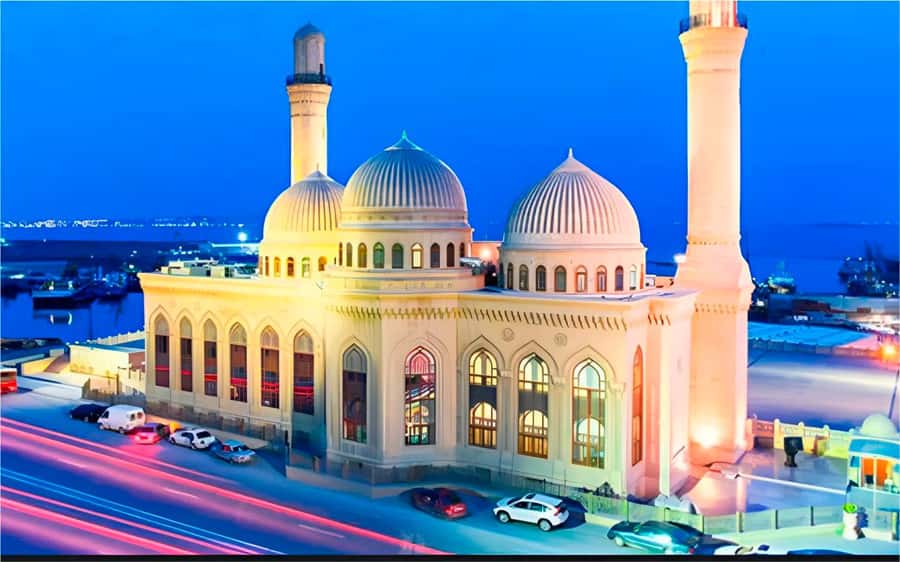
First is Bibi-Heybat Mosque. The mosque area is a spiritual site in Baku that reflects resilience, and it also works as a design and atmosphere stop. Even if you are not religious, it is worth visiting because it shows how living culture and history sit together in the city.
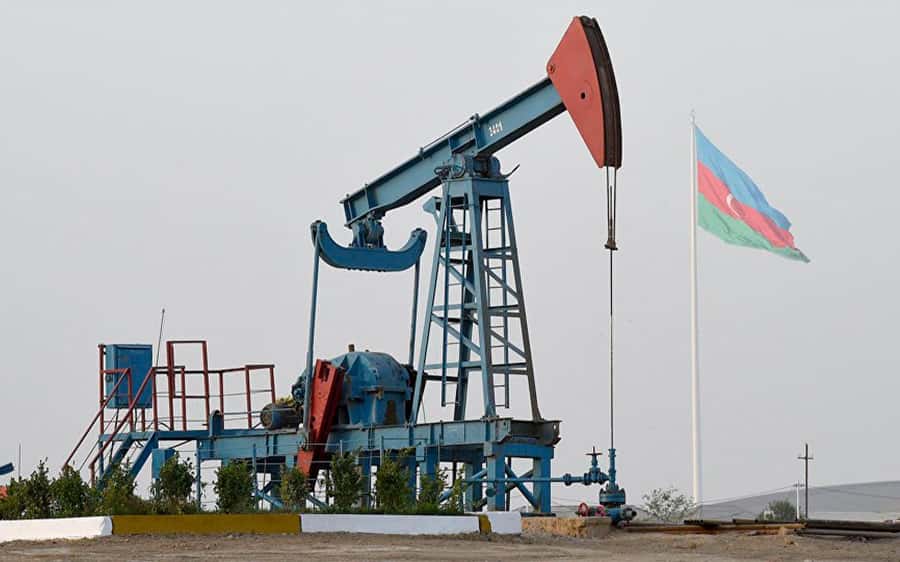
Then comes the Birthplace of Oil, the First Oil Well. This is one of those places where the meaning clicks fast. You are standing at the open-air site where the modern oil industry began, and your guide can connect that to how Azerbaijan helped fuel the world during the industrial revolution. It is not just a dramatic story. It also gives you a practical lens for why Absheron and Baku developed the way they did.
What I like about pairing the mosque and the oil story in the same tour is that it prevents the day from becoming one-note. You see human belief and human industry in the same half-day rhythm. That balance also makes the later fire-themed stops feel more understandable, because you start sensing how the region’s resources shaped its myths, rituals, and economy.
If you prefer photography, this part of the day gives you multiple angles. The mosque setting offers calm visuals, while the oil well site gives more documentary-style images. Either way, it is a strong stretch that slows the pace and lets your brain process what you have already seen.
Lunch and pacing: how to keep your energy for fire and flames
Lunch is included if you choose the lunch option, and it is described as a full meal with Azerbaijani national dishes. This matters because the rest of the route is heavy on dramatic geography and outdoor time.
One review note I found useful in planning is that the included meal may not be huge, so come hungry but stay realistic about portions. If you know you eat a lot, consider eating a full breakfast before the pickup. If you prefer lighter meals, you will probably feel fine once lunch arrives.
Pacing is a real factor here. The tour packs multiple major stops into one day, so you want to be in “move and look” mode rather than “linger and wander for hours.” The good news is that the route is structured so the energy stays up, with the day trip format making each site a focused chapter.
The fire sights, run by other operators
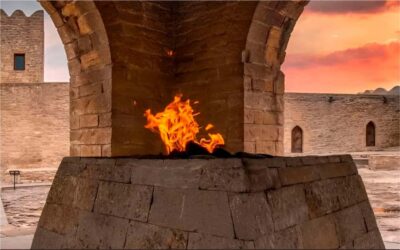
Ateshgah Fire Temple and Yanardag: Zoroastrian fire, explained by what burns
Ateshgah and Yanardag are why Absheron earns its reputation. Together they take you from sacred tradition into raw natural phenomenon.
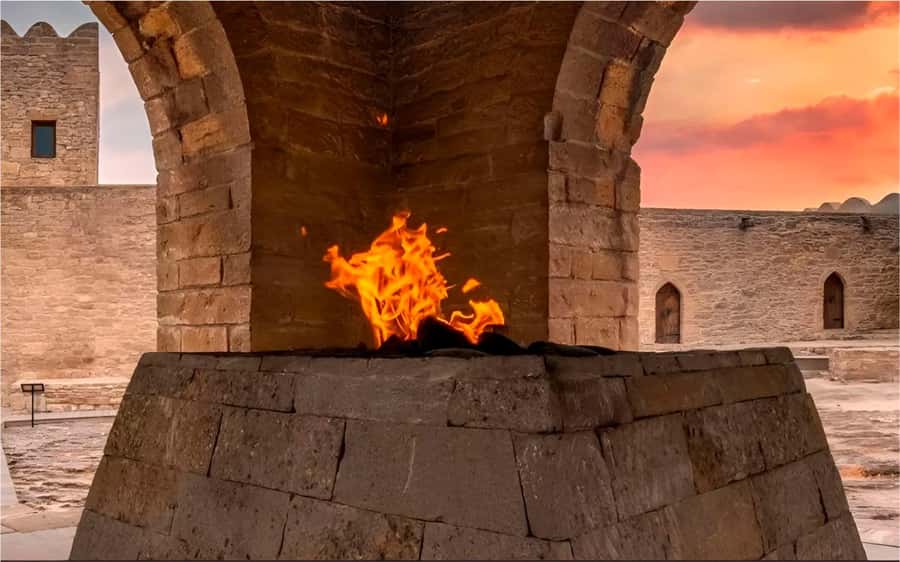
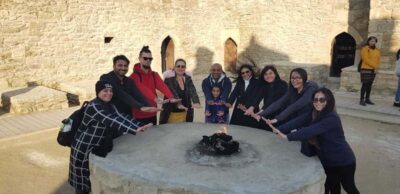
Ateshgah, the Fire Temple of Baku, is a 17th-century Zoroastrian site where natural gas flames once guided rituals. The atmosphere here is the point. It feels like you are stepping into a story that existed long before the modern world even had a chance to name it. What makes it especially satisfying is that you can relate the “fire worshipper” concept to the physical reality of gas and flame.
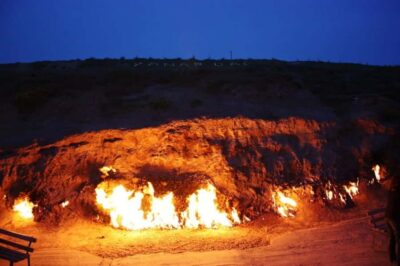
Then you move to Yanardag, also called the Burning Mountain. This is the rare geological wonder where flames burst straight from the hillside and burn continuously for centuries. It is the kind of site that can sound like a legend until you see the effect for yourself.
Practical note: there is an optional Temple of fire and Burning mountain combo ticket listed at 15 AZN. If you are choosing the entry tickets included option, the tour info says site tickets are covered in the tour price, but you should still check what the provider means for this particular combo. If you end up paying the optional combo, it can be worth it simply because it pairs the two fire stops back to back, keeping the theme coherent.
This is also a great place to lean into your guide. People repeatedly mention how much the storytelling adds, especially when the guide ties the mythology to geology and explains what you are seeing without turning it into a lecture. If you enjoy learning, this portion of the day is where the tour becomes more than sight-seeing.
Heydar Aliyev Center photo stop: futuristic architecture in one shot
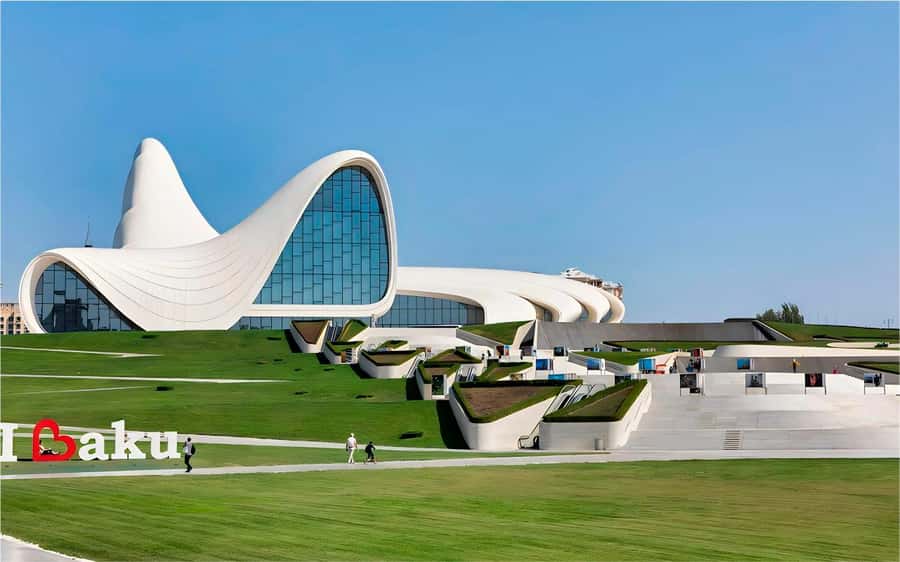
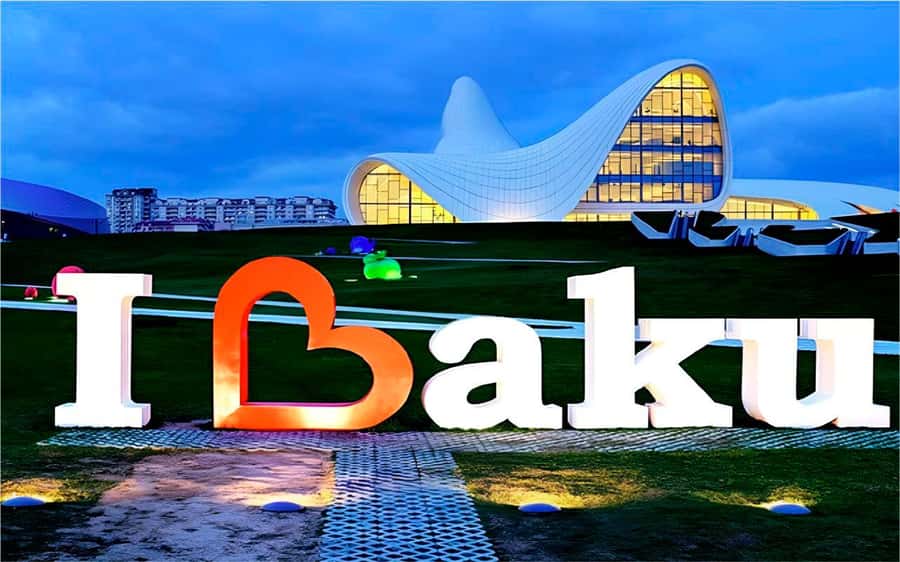
The day ends with a Heydar Aliyev Center photo stop, designed by Zaha Hadid. Even if you are not an architecture fanatic, the center is memorable because it looks like it belongs to the future rather than the past you spent the morning decoding.
There is also a famous I LOVE BAKU sign where you can grab a quick photo. This is not the kind of stop that changes your understanding of Azerbaijan the way Gobustan or the fire sites do. It is a visual palate cleanser and a solid final landmark.
I like this ending because it gives you something to share and something to remember after the sensory power of mud, fire, and carved stone. You can step outside for photos, check your phone, and decompress before heading back to Baku.
Price and ticket options: what $6 really means for your wallet
The headline price is $6 per person, and the offer includes hotel pickup and drop-off plus a professional guide and comfortable transportation. Depending on your selected options, it may also include lunch, entry tickets, and even a free airport transfer (if that option is selected).
Here is how I would think about value:
- The route is packed with major attractions that are spread out across the Absheron peninsula. Having one organized vehicle saves you from arranging separate rides.
- The guide component is consistently praised by people who want more than a list of stops.
- Your actual total cost depends on which ticket options you choose and whether you add optional fees.
The tour info lists these ticket costs per person:
- Gobustan park rock carving: 10 AZN optional
- Mud volcano with off-road car: 30 AZN mandatory fee collected before tour start
- Ateshgah and Yanardag combo: 15 AZN optional
If you select the entry tickets included option, it says all site tickets are covered in the tour price. In practice, that often means you still want to be ready for clearly listed extra fees like the mud volcano off-road fee, since that is marked as mandatory and collected ahead of time.
Bottom line: if you want the maximum value, do the mud volcano stop, accept that off-road fee, and decide on the optional carving and fire combo tickets based on your interests.
Tour fit: who will love this day trip most
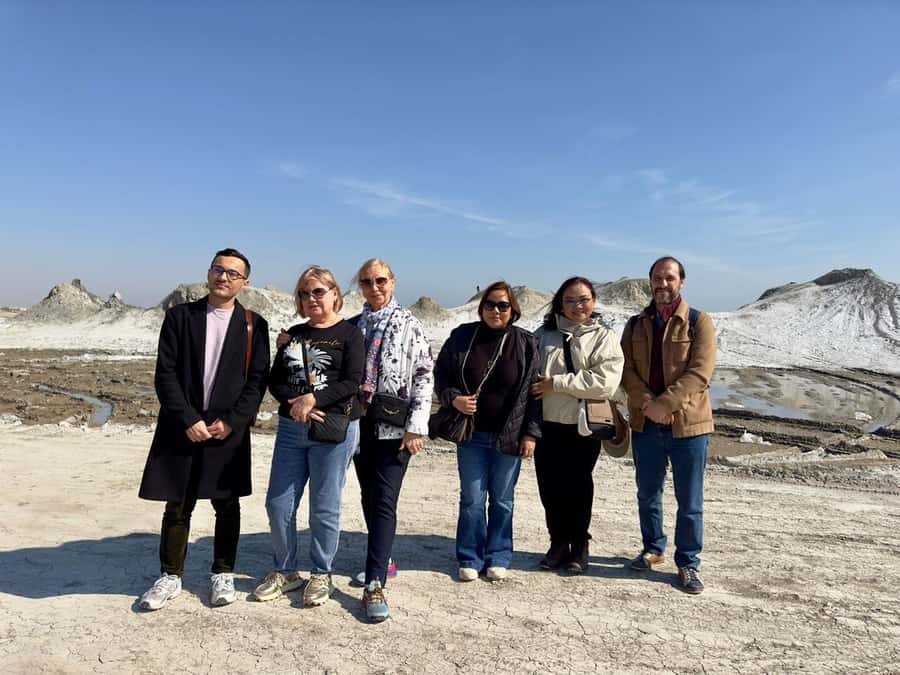
This tour is a strong choice if you want a one-day sampler of Absheron without the stress of planning. It is especially good for you if:
- You like ancient artifacts and want to see Gobustan rock art instead of reading about it only.
- You enjoy odd natural phenomena and do not mind short stops that are designed for efficient touring.
- You want both spiritual sites and geology-heavy fire experiences in one itinerary.
- You care about history explained in a story-driven way, and you want a guide to help you connect the dots.
If you hate early starts, tight schedules, or “move to the next stop” pacing, this may feel like a lot. The trade-off for convenience is that you will not be hanging out at each location for long.
Should you book the Gobustan and Absheron day tour?
I think you should book this tour if you want a smart, efficient day that covers the big Absheron themes: prehistoric art, chaotic natural mud, faith and oil history, and the fire sites that make the peninsula famous. The guides, especially people like Murat and Gani, tend to make a real difference by turning the stops into a connected story.
Skip or reconsider if you are extremely cost-sensitive and do not want to handle any optional purchases, since you may run into listed add-on fees like the Gobustan carving option and the fire combo option. Also consider skipping if you need lots of downtime, since the day is structured to fit many locations.
If you are ready for a packed but well-run cultural and natural day, this is one of the best ways to see Absheron in a hurry, and still come away with sites that feel genuinely different from each other.
FAQ
Where does the tour start?
The day trip includes a pickup from your hotel or from your chosen address in Baku, with drop-off back to the same area.
What stops are included in the itinerary?
The tour covers Gobustan Rock Art Reserve, mud volcanoes, Bibi-Heybat Mosque, the First Oil Well, Ateshgah Fire Temple, Yanardag (Burning Mountain), and a photo stop at the Heydar Aliyev Center.
Is lunch included?
Lunch is included if you select the lunch option. The included meal is described as a full Azerbaijani national cuisine lunch.
Are entry tickets included in the price?
Entry tickets are included only if you choose the entry tickets included option. Otherwise, admission tickets are not included, and you may need to pay listed site fees separately.
What extra ticket fees should I expect?
Mud volcano off-road car is listed as a mandatory 30 AZN fee collected before the tour starts. Gobustan park rock carving is optional at 10 AZN, and the Ateshgah and Yanardag combo ticket is optional at 15 AZN.
Are there any restrictions during the tour?
Alcohol and drugs are not allowed during the experience. The tour runs with a professional guide and comfortable transportation.
What languages are available?
The tour is offered in English, Russian, and Turkish.
The Rest of Our Azerbaijan Reviews

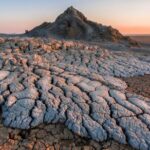
Ateshgah and Yanar Dag, Keep Reading
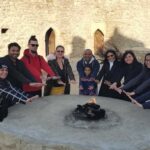
Gobustan, Three More Ways
More of Azerbaijan we have been out and written up
- The Magnificent Baku Night Tour★ 5.0 · 3 reviews
- Small-Group Day Trip to Gobustan, Mud Volcanoes, Ateshgah & Yanar Dagh★ 4.5 · 3 reviews
- Private Sheki Tour – Four Regions of Azerbaijan in one day★ 5.0 · 3 reviews
- Full Day Guided Tour of Shamakhi and Gabala★ 5.0 · 3 reviews
- Qobustan Absheron Full Day Tour★ 5.0 · 3 reviews
Gobustan Rock Art & Mud Volcanoes, compared.
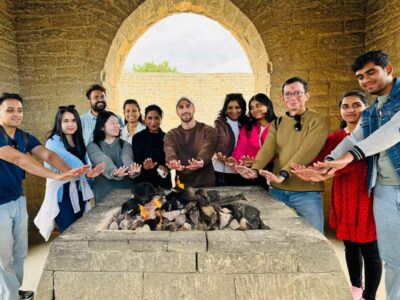 ★ 4.9Gobustan, Mud Volcano, Fire Mount, Temple Lunch EntryFrom $63,246 reviews
 ★ 5.0BEST Gobustan, Volcanoes & Absheron Fire Tour (Group or Private)From $331,254 reviews
 ★ 5.0Gobustan and Absheron tour (All inclusive)From $851,014 reviews
 ★ 4.7Gobustan, Volcanoes, Fire Temple and Yanardag Day TripFrom $29433 reviews
 ★ 4.5Gobustan & Mud, Fire Temple, Burning Mountain (Group & Private)From $10418 reviews
 ★ 5.0Gobustan-Mud Volcan-Fire Temple and Mountain Tour/Entrance incFrom $30267 reviews
 ★ 4.8Gobustan Mud Volcanoes Temple & Entry tickets includedFrom $9178 reviews
 ★ 4.8Gobustan-Absheron Tour with Hotel PICK UP and DROP OFFFrom $6170 reviews
Browse the lists this tour appears in