
REVIEW · GOBUSTAN ROCK ART & MUD VOLCANOES
Baku: Gobustan, Volcanoes, Fire Temple and Yanardag Day Trip
Flames and rock art in one day. This Baku day trip threads together Gobustan petroglyphs, natural fire, and Azerbaijan’s oil story without the usual shopping detours. I like the fact that the route is built around real sites on the Absheron Peninsula, not a tour circuit that feels like a showroom.
I also love how the day tends to run with confident, friendly guides like Mahabat and Sayed, who keep explanations clear and fun, answer questions, and help the group gel. One smart call is the time structure, it gives you enough moments at each place to enjoy it without feeling like you’re sprinting nonstop.
One thing to plan around: on rainy days, the mud volcanoes portion may be skipped for safety reasons, and lunch is not included in the price.
In This Review
- Key Things I’d Prioritize
- A No-Shopping Day Trip That Actually Feels Like Touring
- The Drive-Out: Pickup, Oil Well Stop, and a Quick Mosque Detour
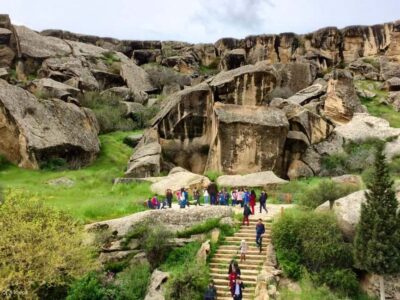
- Gobustan Museum of Petroglyphs: Where Stone Tells Stories
- Mud Volcanoes on the Absheron Coast: Wild Geology With a Weather Caveat
- Lunch Break: Simple, Local, and Worth Budgeting
- Ateshgah of Baku: The Fire Temple That Feels Like a Religion in Place
- Yanardag (Yanar Dag): Nature’s Continuous Flame
- Group Size, Guide Style, and Why It Matters
- Timing and Pacing: Great Coverage, Not Infinite Time
- Value for $29: What You’re Really Paying For
- Who This Tour Is Best For
- Should You Book This Gobustan and Fire Sites Day Trip?
- FAQ
- How long is the day trip?
- What’s included in the price?
- Do they make shopping stops?
- Is lunch included?
- What happens if it rains?
- What languages are the guides?
Key Things I’d Prioritize
- No shopping stops, so your time stays focused on Gobustan and Absheron sites.
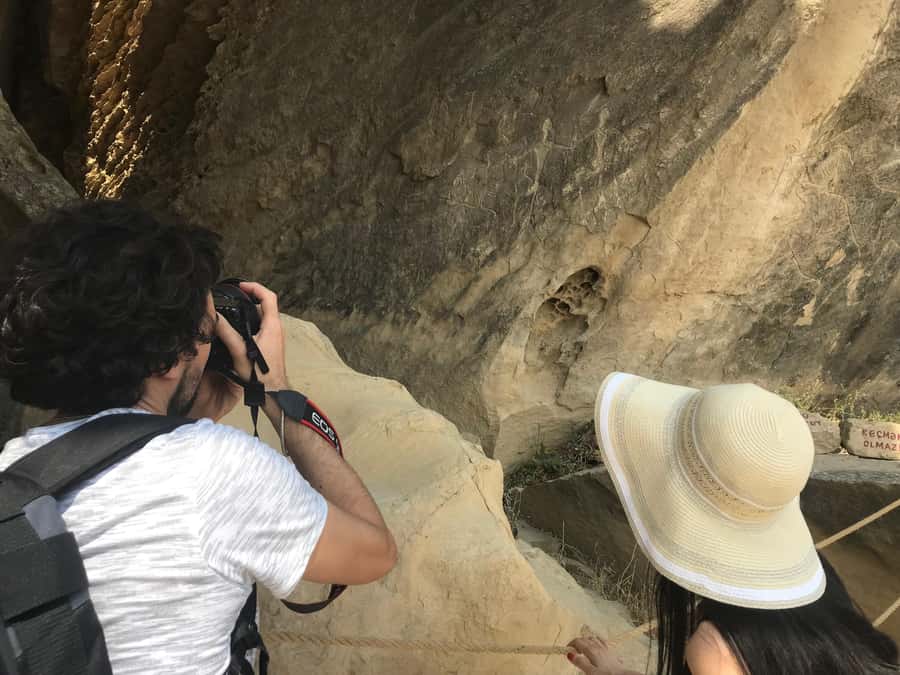
- Gobustan National Park petroglyphs at both the museum spaces, indoor and outdoor.
- Mud volcano viewing in the 400-volcano region (weather can affect this stop).
- Yanar Dag natural gas fire on a hillside, burning continuously.
- Ateshgah Temple linked to historic Zoroastrian fire worship.
Other ways to do the petroglyphs and the bubbling mud
- Baku: Gobustan, Mud Volcano, Fire Mount, Temple Lunch Entry
★ 4.9 · 3,246 reviews - BEST Gobustan, Volcanoes & Absheron Fire Tour (Group or Private)
★ 5.0 · 1,254 reviews - Gobustan and Absheron tour (All inclusive)
★ 5.0 · 1,014 reviews - Baku: Gobustan, Volcanoes, Fire Temple and Yanardag Day Trip
★ 4.7 · 433 reviews
A No-Shopping Day Trip That Actually Feels Like Touring
Baku can tempt you into “checklist touring,” where you spend more time in shops than in history. This Gobustan, Volcanoes, Fire Temple and Yanardag day trip flips that. You start with a morning pickup from centrally located options across Baku, then head out to the UNESCO Gobustan National Park area and the Absheron Peninsula. The whole point is simple: see the standout sites tied to geology, religion, and Azerbaijan’s long relationship with oil and fire.
At this price point, the value comes from what’s bundled. You’re paying for a full day with transportation, a professional guide, and museum and entrance fees when that ticket option is selected. You’re also not stuck in ticket lines, which matters when a day trip has fixed timing.
The tone from the guides is another big plus. In the feedback I saw, guides like Mahabat and Sayed often show up as the difference between just seeing places and understanding them. People mention friendly energy, good explanations, and not rushing anyone.
The Drive-Out: Pickup, Oil Well Stop, and a Quick Mosque Detour
The day starts with pickup from a long list of Baku hotels and hostels, so you’re not fighting transit first thing. After pickup, you’ll head toward the Gobustan side of the Absheron region, with an early stop near Bibi-Heybat Mosque to see the first industrialized oil well in the world.
This is a great opening because it frames the rest of the day. Gobustan gives you humans carving stories into stone. Fire temples show belief systems built around flame. Yanardag shows nature producing fire. And the oil well gives you the modern Azerbaijan angle: energy, extraction, and the way “fire” keeps showing up in different forms.
The stop is guided and relatively short, about 30 minutes. That’s enough time to orient yourself, hear the context, and grab photos without turning the morning into a long detour.
Gobustan Museum of Petroglyphs: Where Stone Tells Stories
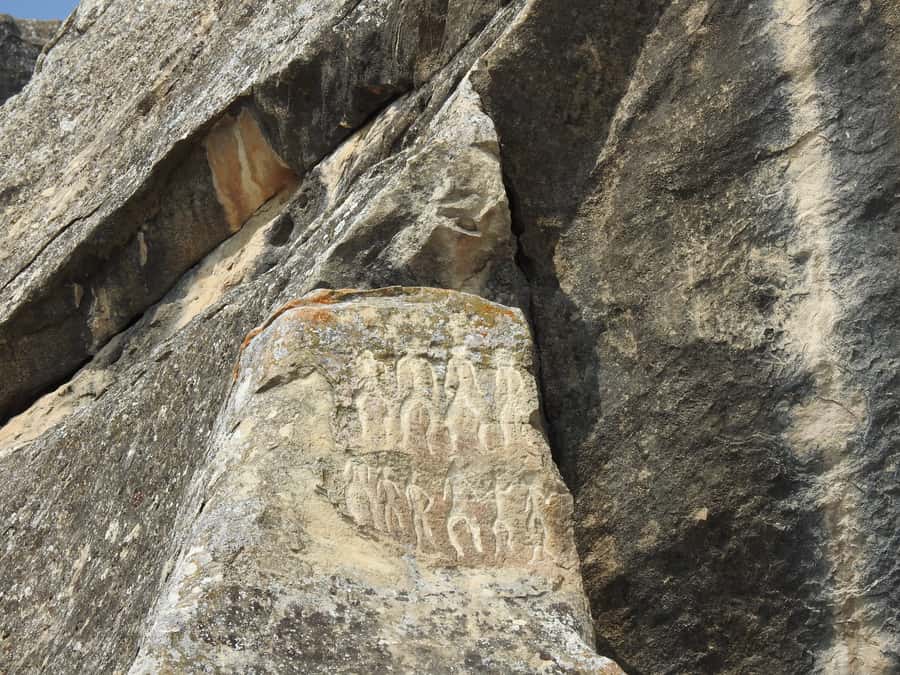
Next comes the Gobustan National Park Museum of Petroglyphs, with both indoor and outdoor viewing. This is where the day’s UNESCO value becomes real, because you’re not just looking at one carving. You’re seeing a collection of prehistoric rock art on cave and rock surfaces, and you get the bigger picture of what those images reveal.
Expect about 1 hour here with a guide. The petroglyphs are described as carved by early humans and reflecting culture, economy, and worldview of ancient Azerbaijanis. Even if you’re not an archaeology person, that lens helps. Instead of staring at marks and wondering what you’re looking at, you start connecting symbols to life: daily survival, movement, and meaning.
Practical tip: this part is often popular, and the site can feel busy. If you want photos, go in with the mindset that your best shots come after your first read-through, when you understand where the carvings are and how the viewing works.
Also, remember the day’s rhythm. Some visitors felt the overall schedule can feel a little tight. If you’re the type who likes slow wandering, Gobustan is the place you’ll most want extra minutes at.
Mud Volcanoes on the Absheron Coast: Wild Geology With a Weather Caveat
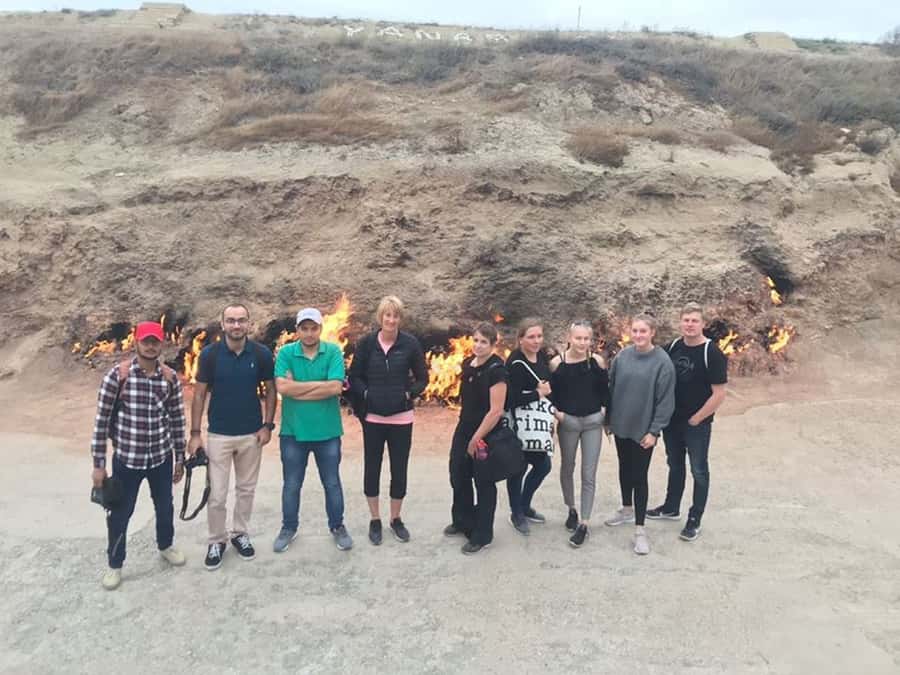
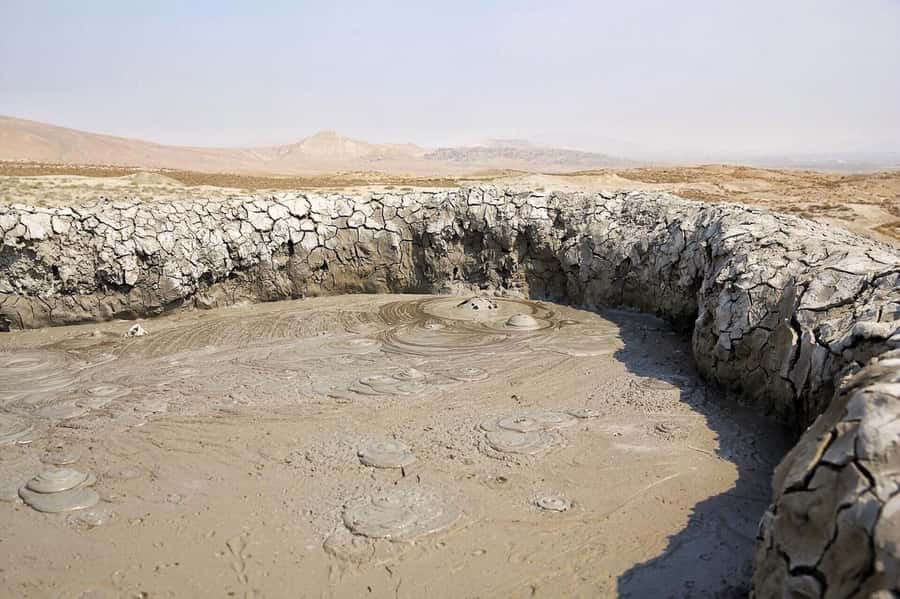
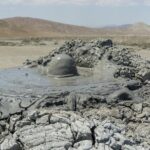
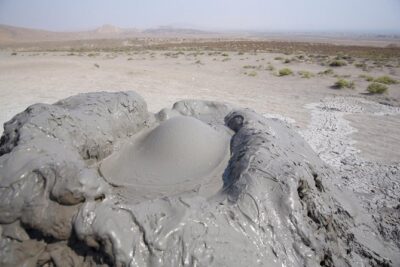
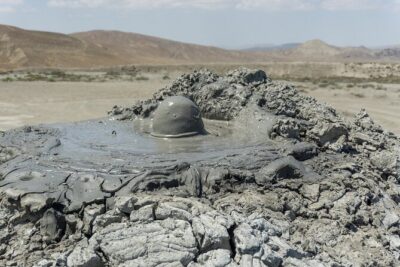
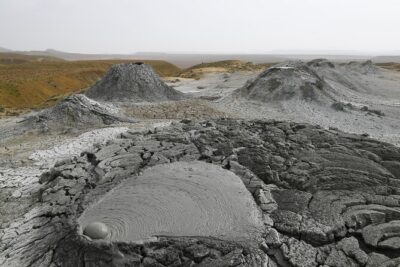
After Gobustan, you’ll head toward the coastal area where there are around 400 mud volcanoes. This stop is built for spectacle. The highlight here is watching mud volcanoes erupt, a phenomenon that feels both strange and oddly calm at the same time.
The timed visit is about 20 minutes. In that window, you’re mainly there to see the activity and get a guided explanation, not to treat it like a long hiking excursion.
Here’s the key consideration: on rainy days, the mud volcano stop may be skipped for safety reasons. That’s not something you can control, but it’s good to know in advance so you don’t show up hoping for one exact weather-perfect outcome. If your trip dates are flexible, you might prefer a clearer day. If not, don’t panic, the rest of the itinerary still delivers.
One more practical note from real-world feedback: hot conditions can make the day feel longer. Bring water with you if you can, and add sun protection. Even if the tour provides access to facilities at stops, it’s still a good habit in open-air areas.
The fire sights, run by other operators
Lunch Break: Simple, Local, and Worth Budgeting
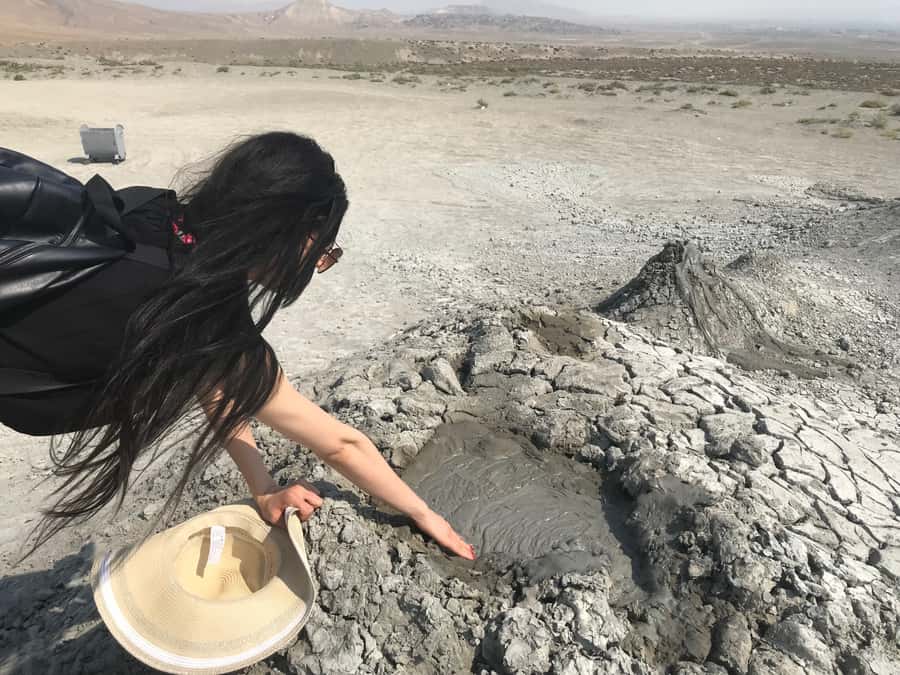
Lunch is where this day trip is intentionally straightforward. There’s a buffet-style restaurant stop where you can buy lunch for about $8 to $12. It’s not included in the listed tour price.
This is a fair setup because it gives you choice and keeps the tour from dictating your appetite. The downside is you should plan for it financially and time-wise. If you’re picky, eat light before you arrive and use lunch as your reset.
If you’re traveling as a group and everyone has different preferences, this buffet format helps. If you want a more elevated lunch experience, you might find this portion basic compared with what you’ll remember from Gobustan and the fire sites.
Ateshgah of Baku: The Fire Temple That Feels Like a Religion in Place
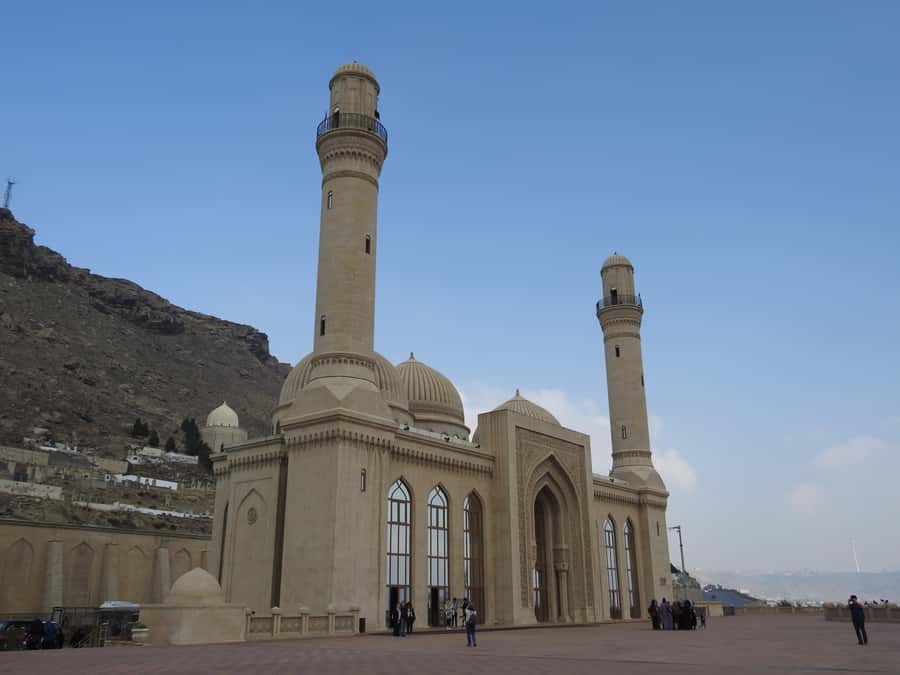
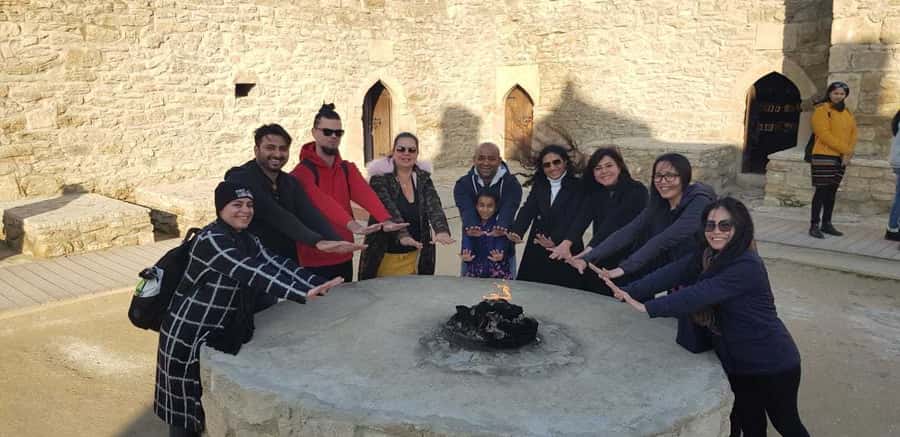
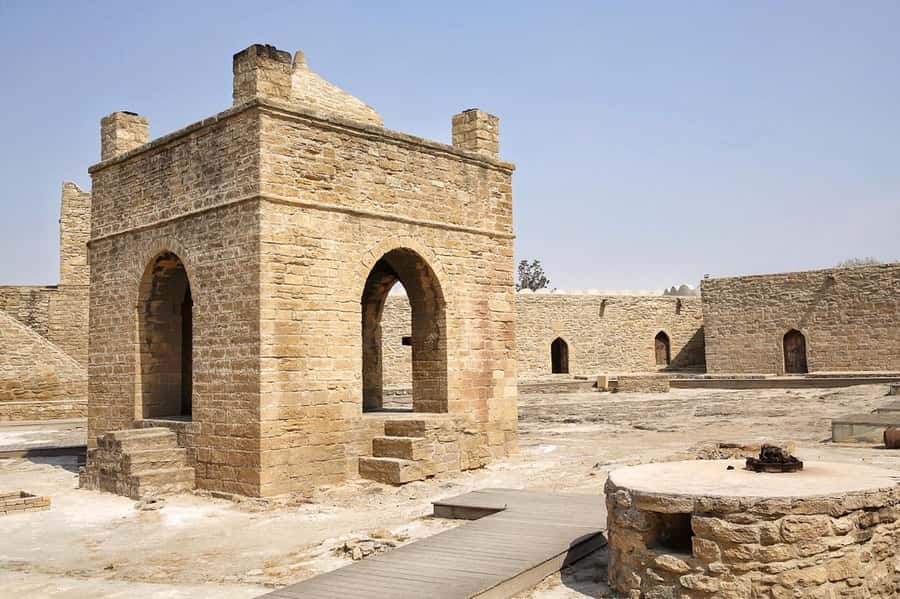
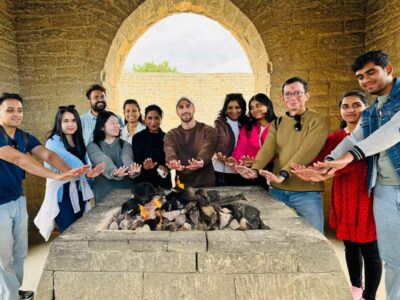
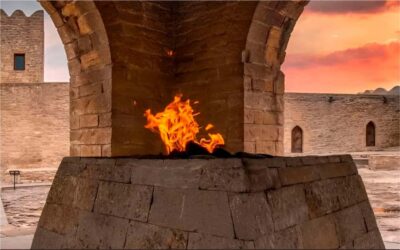
After lunch, the tour moves into the historic spirituality zone with Ateshgah of Baku, also known as the Ateshgah Temple. The context is Zoroastrianism, specifically that this was a former holy place for fire-worshippers.
You’ll get around 40 minutes here, including guided explanation and sightseeing. I like this stop because it answers a question you didn’t know you had. After seeing natural fire at Yanardag later, and hearing about energy with the oil well earlier, Ateshgah helps you understand why fire mattered culturally. It’s not just a cool building and a name on a map. It ties belief, ritual, and the symbolic power of flame together in one physical place.
A good guide makes a difference here. In feedback I saw, guides tend to keep the religious and historical explanations grounded and clear, so you’re not lost in terms or timeline confusion.
Yanardag (Yanar Dag): Nature’s Continuous Flame
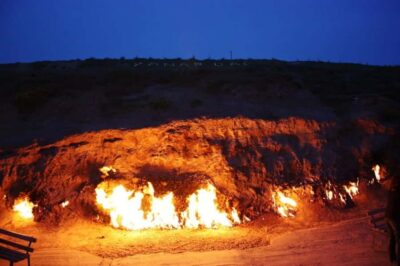
The day ends on a hillside at Yanardag, also spelled Yanar Dag, where natural gas fire blazes continuously. This is one of those spots that’s hard to fully understand until you see it, because the idea is bigger than the view.
The visit is about 30 minutes, which is enough time for you to watch the flame, take photos, and get the guide’s explanation about what’s driving it. It’s also a smart closing stop. By the time you reach Yanardag, you’ve already seen:
- prehistoric rock art, connecting humans to meaning on stone
- mud volcano eruptions, connecting earth to movement and pressure
- a fire temple, connecting religion to flame
- the oil well, connecting fire to industry and extraction
So Yanardag doesn’t feel random. It feels like the final chapter in a theme. Natural fire, cultural fire, human fire, all in one day.
Practical tip: bring your patience for lighting. If you want night-style photos, you may not get that here, since the stop is timed within the day trip window. If you care about Instagram-level shots, aim to take your first photo quickly, then return after you’ve listened to the explanation.
Group Size, Guide Style, and Why It Matters
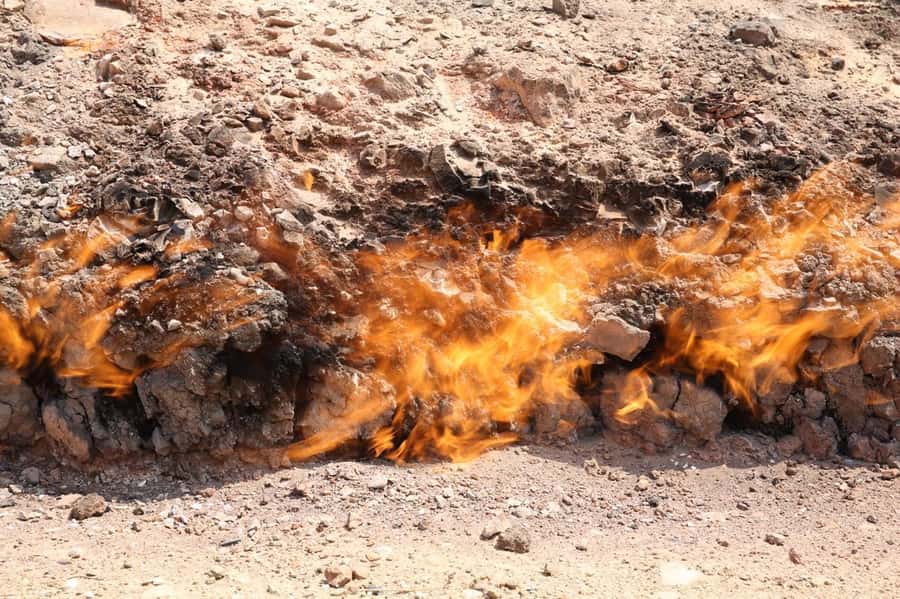
This tour can run with private or small groups. That tends to help you get more interaction at each stop instead of being herded through. Even with a group, people praised guides for staying attentive, keeping timing, and making sure everyone felt included.
Names that came up often include Mahabat, Sayed, Elcan, Leyla, Aqil, Musa, Asaf, Nazir, and Eljan. The consistent pattern is that guides often bring humor and energy, but also stay on task. Some feedback even mentions guides helping with group photos.
So if you care about getting context, not just snapshots, this kind of guide-led format is a big part of the value.
Timing and Pacing: Great Coverage, Not Infinite Time
The total day runs about 6 to 8 hours. That’s long enough to feel like a real excursion and short enough to still be back in Baku without losing an entire day.
But there is a pacing trade-off. Some people wanted more time at certain locations. If you’re the type who likes lingering in museums or you want to re-read every carving carefully, you may feel the schedule is tight. The good news is that the stops are each tailored to what they are. Gobustan gets a solid guided hour. Yanardag is focused and scenic. Ateshgah is given time for explanation and sightseeing.
If your goal is “see the major highlights of the region,” this timing is a strong fit. If your goal is “slow travel, lots of free time,” you may prefer a half-day option or a more flexible private plan.
Value for $29: What You’re Really Paying For
At $29 per person, the value comes from bundling multiple big experiences plus transportation. You’re paying for:
- hotel pickup and drop-off
- transportation all day
- a professional guide
- museum tickets and entrance fees when you choose the ticket-included option
- the convenience of skipping the ticket line
The only notable extra cost is lunch, which is typically $8 to $12. That keeps the total trip cost predictable.
Compared with piecing things together yourself, the biggest savings is time and planning. Day trips like this are also a safer way to reach sites outside the city without coordinating your own transport.
Who This Tour Is Best For
This is a solid match if you:
- want a single-day sampler of Gobustan and Absheron
- care about UNESCO petroglyphs plus natural phenomena
- like themes, especially fire and energy, shown across oil, religion, and geology
- want a guide to connect the dots instead of treating each stop as separate trivia
It also works for families in many cases, because the stops are timed and guided rather than requiring long hikes.
If you dislike group pacing, or you need lots of free time at each site, then you might feel rushed. For that kind of traveler, consider a private version if available, or plan additional time in Baku’s city sights after the tour so the day doesn’t feel like it ends too abruptly.
Should You Book This Gobustan and Fire Sites Day Trip?
Book it if you want maximum meaning per hour. The no-shopping approach keeps your day focused, and the itinerary connects prehistoric art, mud volcano geology, and fire symbolism without feeling like random stops glued together. Guides like Mahabat and Sayed (and others you may receive) seem to be a key reason people walk away happy.
Don’t book it if your trip depends on seeing mud volcano eruptions on a specific schedule and you’re traveling during a rainy period. That stop can be skipped for safety.
If your dates are flexible, aim for a clearer day, budget for lunch, and pack water. Do that, and you’ll likely come home with the kind of photos and stories that make Baku feel bigger than the city skyline.
FAQ
How long is the day trip?
It runs about 6 to 8 hours, depending on the day’s schedule and starting time you select.
What’s included in the price?
Hotel pickup and drop-off, professional guide, transportation, and museum tickets and entrance fees if you select the option that includes them. Lunch is not included.
Do they make shopping stops?
No. This is described as a no-shopping-stop tour.
Is lunch included?
No. There is a buffet-style restaurant stop where you can purchase lunch for about $8 to $12.
What happens if it rains?
On rainy days, the tour to the mud volcanoes may be skipped for safety reasons.
What languages are the guides?
The tour provides live guiding in English and Russian.
The Rest of Our Azerbaijan Reviews

Ateshgah and Yanar Dag, Keep Reading
Gobustan, Three More Ways
More of Azerbaijan we have been out and written up
- The Magnificent Baku Night Tour★ 5.0 · 3 reviews
- Small-Group Day Trip to Gobustan, Mud Volcanoes, Ateshgah & Yanar Dagh★ 4.5 · 3 reviews
- Private Sheki Tour – Four Regions of Azerbaijan in one day★ 5.0 · 3 reviews
- Full Day Guided Tour of Shamakhi and Gabala★ 5.0 · 3 reviews
- Qobustan Absheron Full Day Tour★ 5.0 · 3 reviews
Gobustan Rock Art & Mud Volcanoes, compared.
 ★ 4.9Gobustan, Mud Volcano, Fire Mount, Temple Lunch EntryFrom $63,246 reviews
 ★ 5.0BEST Gobustan, Volcanoes & Absheron Fire Tour (Group or Private)From $331,254 reviews
 ★ 5.0Gobustan and Absheron tour (All inclusive)From $851,014 reviews
 ★ 4.5Gobustan & Mud, Fire Temple, Burning Mountain (Group & Private)From $10418 reviews
 ★ 4.9Gobustan Absheron Tour Entry Tickets includedFrom $6329 reviews
 ★ 5.0Gobustan-Mud Volcan-Fire Temple and Mountain Tour/Entrance incFrom $30267 reviews
 ★ 4.8Gobustan Mud Volcanoes Temple & Entry tickets includedFrom $9178 reviews
 ★ 4.8Gobustan-Absheron Tour with Hotel PICK UP and DROP OFFFrom $6170 reviews
Browse the lists this tour appears in