
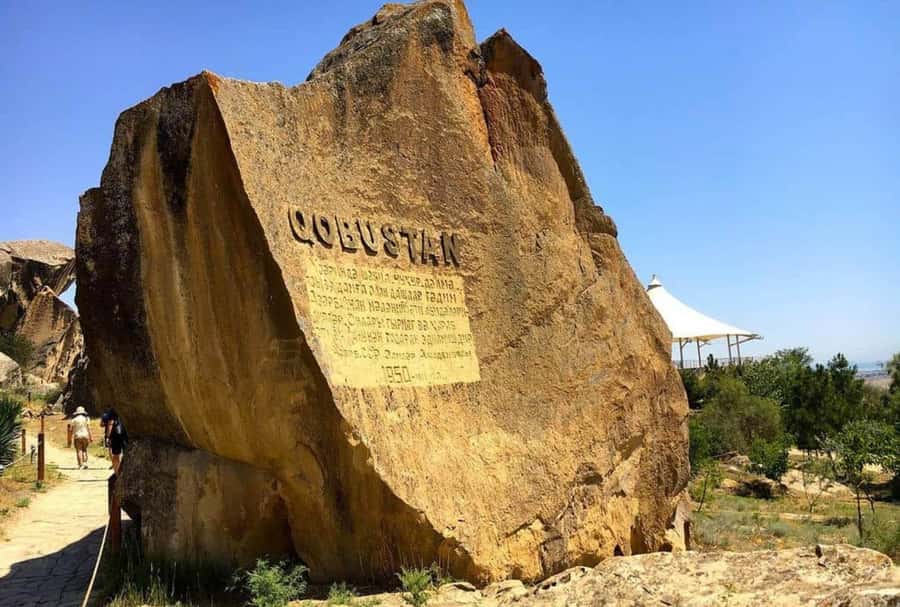
REVIEW · GOBUSTAN ROCK ART & MUD VOLCANOES
Baku: Gobustan & Absheron with Mud Volcanoes & Fire
Mud, fire, and 40,000 year old art. I love the UNESCO-listed Gobustan petroglyphs and the surreal mud volcanoes, both feel unlike anything else near Baku. My only real caution is the money part, because key entry fees are paid on-site and the low base price can rise after tickets.
This is a full Absheron Peninsula sampler, mixing deep-time archaeology with geology and Zoroastrian fire worship. You get a professional live guide in English or Russian, plus hotel pickup, so you are not stress-navigating buses for a day that is already packed.
One more thing to weigh: the tour is not a good match if you have limited mobility. Uneven paths, walking around rock and fire sites, and the general outdoors feel make it hard to do comfortably.
In This Review
- Key things I’d circle before you go
- Why Gobustan and Absheron work as one unforgettable day
- Getting rolling from Gosha Gala Gapysy and the first big photo stop
- Gobustan Rock Art: walking UNESCO petroglyphs over 40,000 years old
- Mud volcanoes in Azerbaijan: geology you can’t fake
- Yanar Dag Burning Mountain: the natural eternal flame moment
- Ateshgah Fire Temple: when sacred fire meets a real building
- The price reality: $2.50 base vs real entry fees
- Comfort and timing: what an 8 hour day actually feels like
- Guide quality, language options, and how to protect your day
- When rain hits: the mud volcano backup plan
- Who should book, and who should skip it
- Should you book the Baku Gobustan and Absheron with Mud Volcanoes and Fire tour?
- FAQ
- How long is the tour?
- Where does the tour start?
- Is hotel pickup included?
- What is included in the price?
- Are entry tickets included?
- How much are the entry fees?
- Do I need cash for the mud volcanoes fee?
- What language is the guide?
- What should I bring for the mud volcanoes stop?
- Is the tour wheelchair friendly?
Key things I’d circle before you go
- Gobustan petroglyphs: UNESCO rock art carved over 40,000 years ago.
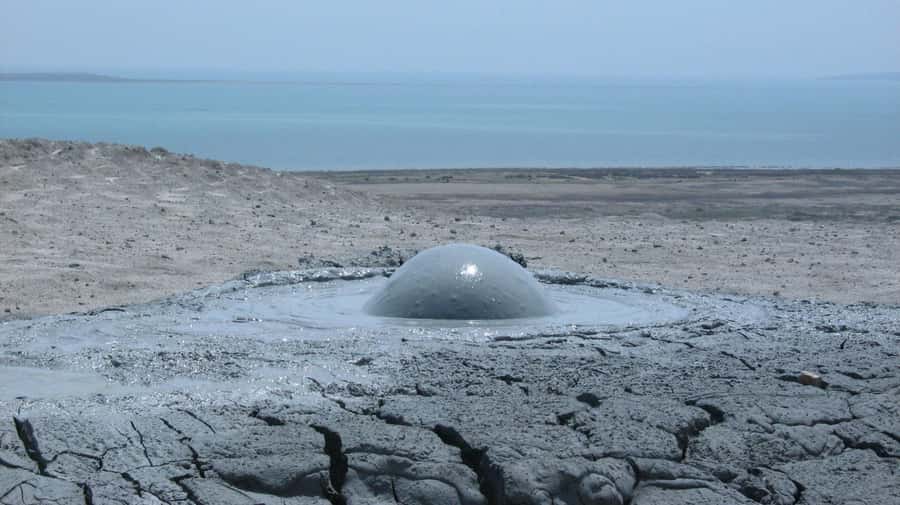
- Mud volcano concentration: you see them in density, not as a single stop.
- Yanar Dag (Burning Mountain): a natural eternal flame experience.
- Ateshgah Fire Temple: an ancient Zoroastrian site tied to sacred fire traditions.
- On-site fees: Gobustan, mud volcanoes, and the fire sites each require separate tickets.
- Rain plan: if it rains, you still go to the mud volcano area, and the fees stay the same.
Other ways to do the petroglyphs and the bubbling mud
- Baku: Gobustan, Mud Volcano, Fire Mount, Temple Lunch Entry
★ 4.9 · 3,246 reviews - BEST Gobustan, Volcanoes & Absheron Fire Tour (Group or Private)
★ 5.0 · 1,254 reviews - Gobustan and Absheron tour (All inclusive)
★ 5.0 · 1,014 reviews - Baku: Gobustan, Volcanoes, Fire Temple and Yanardag Day Trip
★ 4.7 · 433 reviews
Why Gobustan and Absheron work as one unforgettable day
If you only have a short time in Baku, this route is built for maximum “wow per hour.” Gobustan gives you prehistoric storytelling through carvings on rock. Then Absheron shifts gears into geology and the region’s famous obsession with fire, from natural flames at Yanar Dag to the manmade Ateshgah Fire Temple.
I like how the day is not just museum stuff. You are walking, looking up at cliffs with engravings, stepping around uneven terrain, and seeing the landscape behave like it has a mind of its own at the mud volcanoes. That mix makes it feel like a single theme, even when the topics change.
The vibe is also practical. It starts with pickup and staged travel by bus and jeep, then returns for a lunch break back in Baku, then heads out again for the fire sites. It is a long day, but it is organized enough that you are not constantly trying to figure out what comes next.
Getting rolling from Gosha Gala Gapysy and the first big photo stop
The day starts at Gosha Gala Gapysy, then you head out by coach. Early on, you get a travel buffer that helps you avoid that frantic, just-arrived-in-town feeling.
One of the first scheduled moments is a long Bibiheybat photo stop. It is there to set the scene and get you oriented to what the peninsula looks like. Even if you just use it to shoot a few photos and stretch your legs, it helps you later when you start spotting the geology and religious sites that define Absheron.
After that, the schedule pushes toward Gobustan. You spend time on the road before the key walking begins, and that is important because Gobustan is not a quick drive-by. You want your eyes fresh when you step into the rock art area.
Gobustan Rock Art: walking UNESCO petroglyphs over 40,000 years old
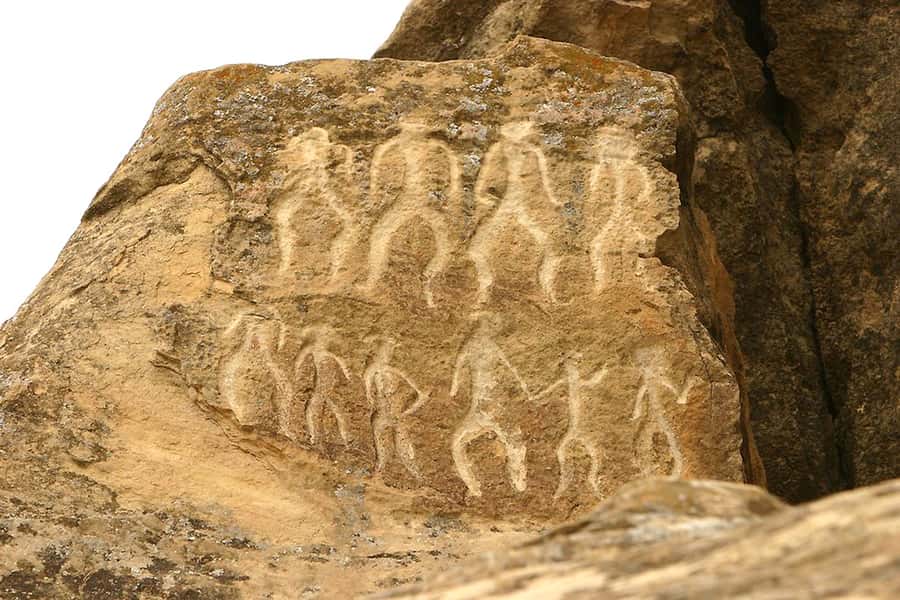
Gobustan National Park is the anchor of the trip. The center piece is the Gobustan Rock Art Cultural Landscape, known for petroglyphs that are dated back over 40,000 years. That number is hard to picture until you are close enough to see the carvings and notice how people once marked stone in a whole different rhythm of life.
This part includes a guided visit and tour time, so you are not left guessing what you are looking at. The guide’s job here matters, because “rock carvings” can sound vague. With a good explanation, you start seeing patterns and themes instead of just lines on rock.
Here is the reality check to keep you comfortable: Gobustan terrain can be uneven. I strongly recommend you wear shoes that handle rough ground, because you will be moving outdoors, not strolling on a polished walkway. The good news is that you are also outdoors with time to look slowly, not rushed through glass cases.
You will likely feel the scale of the site most after you step back and realize how long humans have been documenting life here. It is not just archaeology. It is a reminder that the region has always been a place people noticed.
Mud volcanoes in Azerbaijan: geology you can’t fake
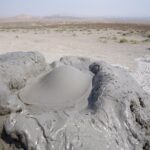
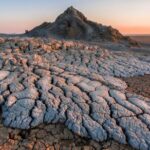
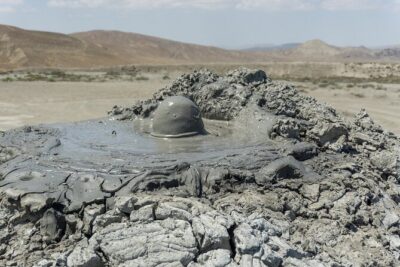
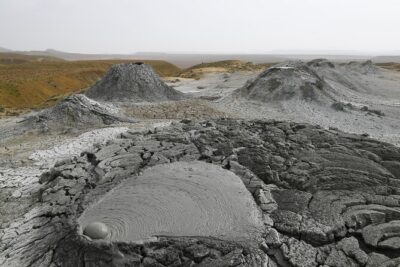
Then comes the star attraction for many people: Azerbaijan’s mud volcanoes. These are not rare curiosities that feel like a single oddity. They are found in density here, which is why the stop feels so powerful even though the guided visit portion is relatively short.
The trip uses a jeep or SUV segment before you reach the viewing area. That matters because you want the transport to handle the terrain. It also means the mud volcano stop is not just “look from one spot.” You get enough movement to actually feel like you are at the source of the phenomenon.
During the guided time, you will understand what you are seeing and why it behaves the way it does. Even if you are not a geology person, it clicks fast because the landscape is doing the work for you.
One practical note: the mud volcano stop comes with a mandatory cash fee. You also have a specific souvenir option, bring an empty bottle to collect mud. If you do, just be ready for a hands-on, slightly messy kind of memory, not a clean, curated one.
The fire sights, run by other operators
Yanar Dag Burning Mountain: the natural eternal flame moment
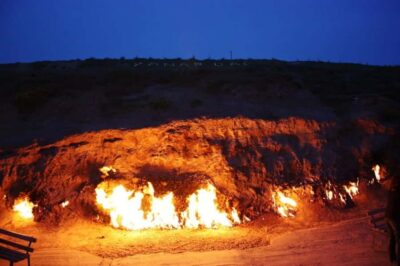
After lunch back in Baku, the tour returns to Absheron for Yanar Dag, commonly called the Burning Mountain. This is one of those places where the attraction is simple: you see a flame that keeps burning naturally.
The guided visit and photo time help you make sense of the site and what the flame means in the local context. Even if you have heard of eternal flames before, this one lands differently because you are seeing it on its own hillside environment, not as an indoor exhibit.
The timing here is also practical. The schedule gives you dedicated time for the viewing and photos, rather than tossing it in as a bonus after the real stops. If you care about taking pictures and actually sitting for a minute to watch the flame, you will appreciate that.
Wear your comfortable shoes again. Fire sites are not usually about walking a ton, but you still want stable footing. Uneven ground plus the desire to stop and look around can add up quickly if you chose footwear that is too soft.
Ateshgah Fire Temple: when sacred fire meets a real building
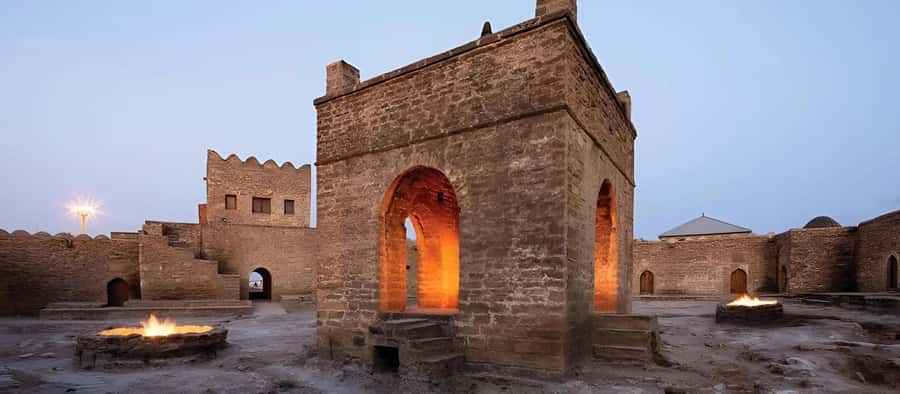
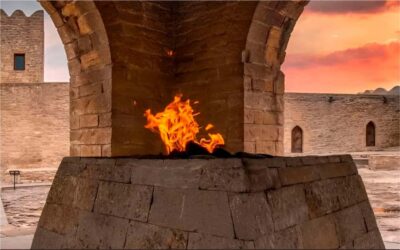
Next is Ateshgah of Baku, an ancient Zoroastrian Fire Temple. This is the cultural counterweight to the natural flame at Yanar Dag. Instead of relying only on what nature does, you also get a site where humans built spaces around the idea of sacred fire.
The visit includes guided tour time, which helps you connect the dots between religion, history, and how people used fire as something more than a tool. The guide’s explanation matters here because without context, you can see a historic site and still miss why it mattered to the people who maintained it.
This stop is also a great moment to slow down. By now you have been through prehistoric rock art and active geology. Ateshgah feels calmer and more grounded, like you are shifting from “the land remembers” to “people organized meaning into places.”
The price reality: $2.50 base vs real entry fees
The headline price is very low, at $2.50 per person, and that is a big part of the value. But you should plan your budget around the fact that the standard price does not include key entrances unless you pick an option that explicitly covers fees.
From the fee details:
- Gobustan National Park: 10 AZN
- Mud volcanoes complex: mandatory 30 AZN cash
- Ateshgah and Yanardagh: 15 AZN
That means you should assume you will pay on-site at multiple places, with at least one fee requiring cash. The tour also includes a bottle of water and a professional guide, which offsets some of the cost, but it still adds up once you arrive.
Still, even with tickets, the overall value can be strong for a day that combines UNESCO-level rock art, multiple iconic geology and fire sites, and guided time at each stop. The trick is not getting surprised when you see the on-site charges.
My practical advice: set aside the cash before you start your day. Also keep your wallet organized so you are not digging around in pockets while you are trying to move with the group.
Comfort and timing: what an 8 hour day actually feels like
This is an 8 hour tour, starting in the morning and running through the afternoon. It is packed, but the rhythm is sensible: travel by coach, guided time at each major site, plus a Baku lunch break.
There is a Baku break with lunch time listed, which is helpful because otherwise you would be stuck eating whatever you can find roadside. The schedule gives you about an hour for lunch, so you can do something simple nearby and get back on the road.
A key logistics plus: you get hotel pickup from Baku and a guided flow between stops. That saves time and helps you avoid the frustration of trying to coordinate public transport for a route that mixes park visits and peninsula sites.
A key logistics watch-out: this is not a slow, lingering day. The stops are timed, so if you need long rests, you may feel the pace. Bring water too, not just the included bottle, because you will be outdoors and moving.
Guide quality, language options, and how to protect your day
The tour includes a professional guide and offers a live guide in English and Russian. That is a real plus for Gobustan and the fire temple sites, because the meaning of what you see improves fast when someone can explain it.
I’ve also seen scattered reports of problems in the booking experience, like instances where a guide did not show up or a tour was canceled without notice. Those are not common signals, but they are serious enough that you should plan like an adult: confirm your pickup location timing, keep the contact info handy, and set expectations that weather and operations can affect the day.
On the upside, the tour also mentions skip-the-line through a separate entrance. That can save time at busy moments, especially when you are stacking multiple paid sites in one itinerary.
When rain hits: the mud volcano backup plan
If it rains, the tour does not just cancel the outdoors parts. You get a rain adjustment that still sends you to the mud volcano area, with fees remaining the same.
I like that approach because it protects the core “mud and geology” element that makes this tour worth it. It also means you should dress with realistic weather in mind, especially for the mud volcano segment where conditions can get slippery.
If you are the type who hates unpredictability, this is still a day with variable weather. But it is more resilient than many outdoor tours because there is a built-in fallback.
Who should book, and who should skip it
This tour is best for you if:
- You want a strong mix of UNESCO rock art, natural flames, and fire temple history
- You like geology and unusual natural sights, not only classic monuments
- You prefer a guided day trip with pickup and transportation rather than self-driving
It is a poor fit if you:
- Have mobility limitations or need wheelchair-friendly routes
The tour is explicitly noted as not suitable for people with mobility impairments or wheelchair users, mainly because of uneven terrain and the outdoors nature of the stops.
Also, if you are very budget-sensitive, factor in that the low base price is not the same thing as the final cost. You should budget for on-site fees and be ready with cash for the mud volcano complex.
Finally, if you love slow travel, consider whether an 8 hour schedule is your pace. This is a “see a lot” day, not a “wander for hours” day.
Should you book the Baku Gobustan and Absheron with Mud Volcanoes and Fire tour?
I think this is a smart booking for first-time visitors to Azerbaijan who want the headline sites outside the city without spending a whole day planning. You get big story points in one run: Gobustan’s very old petroglyphs, mud volcano geology, Yanar Dag’s natural flame, and Ateshgah’s Zoroastrian fire temple.
Book it if you are ready for on-site entry fees, bring sturdy shoes, and you can handle a full schedule. Don’t book it if you need wheelchair accessibility or very easy terrain.
If you do book, I’d do two things that make the day smoother: bring cash for the mandatory mud volcano fee, and bring an empty bottle if you want the mud souvenir option. Then you can focus on the reason you came, which is seeing how fire, rock art, and living earth shapes tell the story of Absheron.
FAQ
How long is the tour?
The duration is 8 hours.
Where does the tour start?
The starting location is Gosha Gala Gapysy.
Is hotel pickup included?
Yes, the experience includes hotel pickup from Baku.
What is included in the price?
The included items are a professional guide and a bottle of water.
Are entry tickets included?
Not in the standard price. Entry tickets for Gobustan National Park, Ateshgah, and Yanardagh are not included unless you select the option that includes entrance fees.
How much are the entry fees?
Gobustan is 10 AZN. Mud volcanoes is mandatory at 30 AZN cash. Ateshgah and Yanardagh are 15 AZN.
Do I need cash for the mud volcanoes fee?
Yes. The mud volcanoes fee is stated as mandatory and paid as 30 AZN cash.
What language is the guide?
The live tour guide is available in English and Russian.
What should I bring for the mud volcanoes stop?
Bring comfortable shoes for uneven terrain, and bring an empty bottle if you want to collect mud as a souvenir.
Is the tour wheelchair friendly?
No. It is not suitable for mobility impairments or wheelchair users.
The Rest of Our Azerbaijan Reviews

Ateshgah and Yanar Dag, Keep Reading
Gobustan, Three More Ways
More of Azerbaijan we have been out and written up
- The Magnificent Baku Night Tour★ 5.0 · 3 reviews
- Small-Group Day Trip to Gobustan, Mud Volcanoes, Ateshgah & Yanar Dagh★ 4.5 · 3 reviews
- Private Sheki Tour – Four Regions of Azerbaijan in one day★ 5.0 · 3 reviews
- Full Day Guided Tour of Shamakhi and Gabala★ 5.0 · 3 reviews
- Qobustan Absheron Full Day Tour★ 5.0 · 3 reviews
Gobustan Rock Art & Mud Volcanoes, compared.
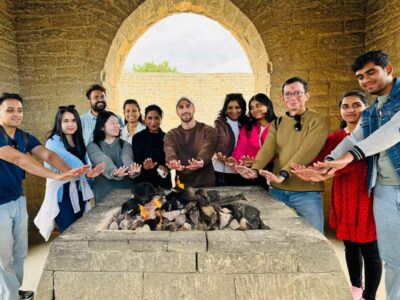 ★ 4.9Gobustan, Mud Volcano, Fire Mount, Temple Lunch EntryFrom $63,246 reviews
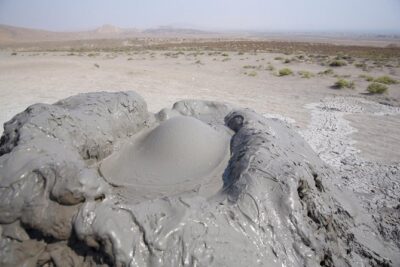 ★ 5.0BEST Gobustan, Volcanoes & Absheron Fire Tour (Group or Private)From $331,254 reviews
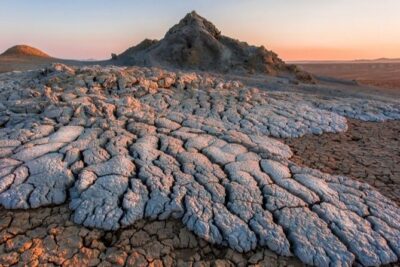 ★ 5.0Gobustan and Absheron tour (All inclusive)From $851,014 reviews
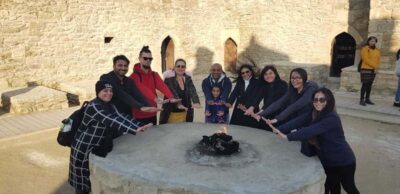 ★ 4.7Gobustan, Volcanoes, Fire Temple and Yanardag Day TripFrom $29433 reviews
 ★ 4.5Gobustan & Mud, Fire Temple, Burning Mountain (Group & Private)From $10418 reviews
 ★ 4.9Gobustan Absheron Tour Entry Tickets includedFrom $6329 reviews
 ★ 5.0Gobustan-Mud Volcan-Fire Temple and Mountain Tour/Entrance incFrom $30267 reviews
 ★ 4.8Gobustan Mud Volcanoes Temple & Entry tickets includedFrom $9178 reviews
Browse the lists this tour appears in