
REVIEW · GOBUSTAN ROCK ART & MUD VOLCANOES
Baku: Gobustan, Mud Volcanoes, Ateshgah, and Yanardag Tour
Fire, mud, and ancient art in one day. This full-day trip ties together Gobustan rock art, Yanardag natural flame, and the strange, cratered world of mud volcanoes on the Absheron Peninsula.
I love the way the Gobustan Museum uses touch screens and 3D panoramas to make life from 5,000 to 20,000 years ago feel real. I also like having a guide explain the human side of the sites, from petroglyph traditions to the beliefs behind Ateshgah.
The main catch is time and footing. This is not wheelchair-friendly, and you will be doing outdoor walking, including getting up close to craters.
In This Review
- Key highlights worth planning around
- Gobustan’s museum, then petroglyphs in real caves
- Mud volcanoes: crank up your curiosity (and expect some climbing)
- Ateshgah Fire Temple: worship built around a flame story
- Yanardag Burning Mountain: the gas flame that keeps going
- Timing, comfort, and how to make the 9 hours feel fair
- Price and value: $99 plus tickets, for a lot of ground
- The guide makes the difference, and it shows
- Who should book this tour (and who should pause)
- Should you book the Baku: Gobustan, Mud Volcanoes, Ateshgah, and Yanardag Tour?
- FAQ
- How long is the tour?
- What does the tour include?
- Is lunch included?
- Are entry tickets included?
- What language is the guide?
- Is this a private group tour?
- Is the tour wheelchair accessible?
- What should I bring?
- What is the cancellation policy?
Key highlights worth planning around
- Gobustan Museum tech: touch screens and special 3D panoramas set 5,000 to 20,000 years into context fast
- Over 6,000 rock drawings: see petroglyphs and caves that show different eras in one area
- Mud volcanoes on active craters: climb and view crater openings up close, then learn why they matter
- Ateshgah Fire Temple cells: get the story of worship spaces linked to Hindu and Zoroastrian traditions
- Yanardag’s Burning Mountain flame: a natural gas flame burning since ancient times, still visited by pilgrims from Iran and India
- Private, door-to-door touring: pickup in Baku and drop-off at Fountain Square with an English live guide
Other ways to do the petroglyphs and the bubbling mud
- Baku: Gobustan, Mud Volcano, Fire Mount, Temple Lunch Entry
★ 4.9 · 3,246 reviews - BEST Gobustan, Volcanoes & Absheron Fire Tour (Group or Private)
★ 5.0 · 1,254 reviews - Gobustan and Absheron tour (All inclusive)
★ 5.0 · 1,014 reviews - Baku: Gobustan, Volcanoes, Fire Temple and Yanardag Day Trip
★ 4.7 · 433 reviews
Gobustan’s museum, then petroglyphs in real caves
Gobustan is the kind of place where one stop can change how you see an entire country. The tour begins at the Gobustan Rock Art Cultural Landscape and its interactive museum, which is a smart way to start before you go outside.
Inside the museum, you get a guided walkthrough of the area, the environment, and the archaeological work that’s shaped what we know today. What I like most is how the displays connect people, place, and time, using technology to show how residents lived during the broad span of 5,000 to 20,000 years ago. The museum also includes exhibits dating roughly from the 4th to 2nd millennium BC, so you are not just looking at art, you are seeing an evolving culture.
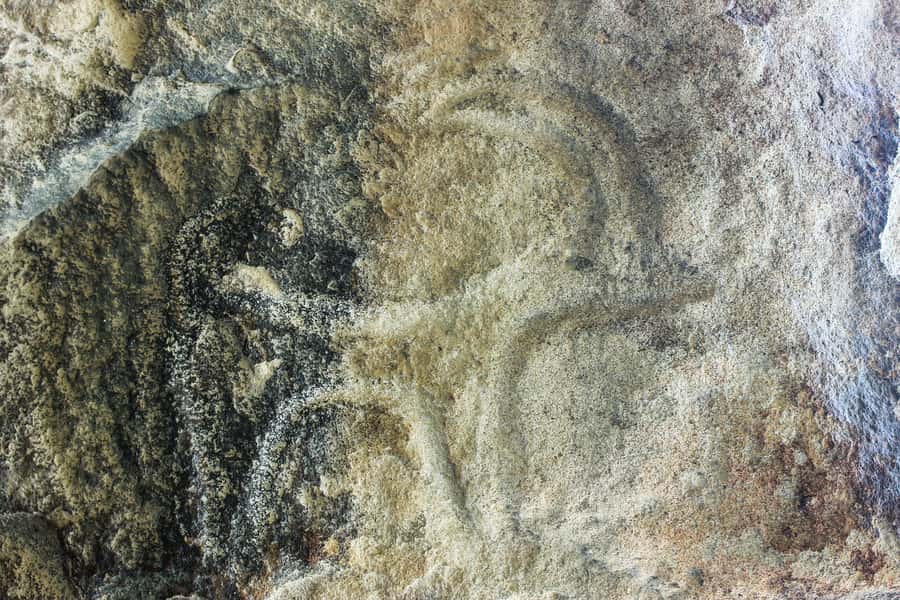
Then comes the Gobustan rock area itself, where you see more than 6,000 rock drawings, along with caves tied to older human activity. You follow your guide through the rock faces and cave spaces while learning how petroglyphs across different eras reflect worldviews and customs. The tour focuses on petroglyphs and cave sites discovered by scientists in the 1930s, which gives you a clearer sense of how modern researchers pieced the story together.
Practical note: this part is outdoors and on uneven ground in places. Wear comfortable shoes, and plan to take your time, especially if you enjoy reading the rock art closely. A camera helps, but also remember that some details are easier to spot in person than through a phone screen.
Mud volcanoes: crank up your curiosity (and expect some climbing)
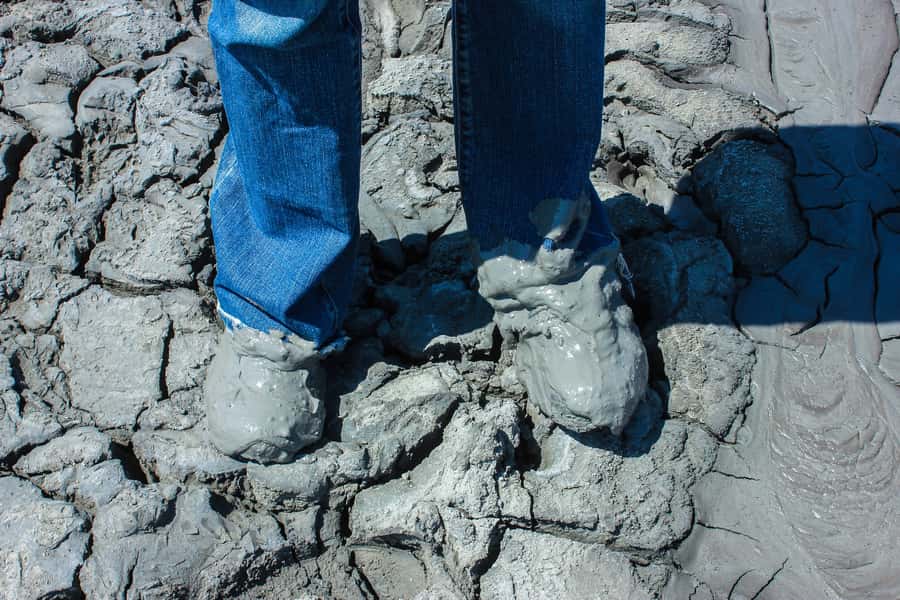
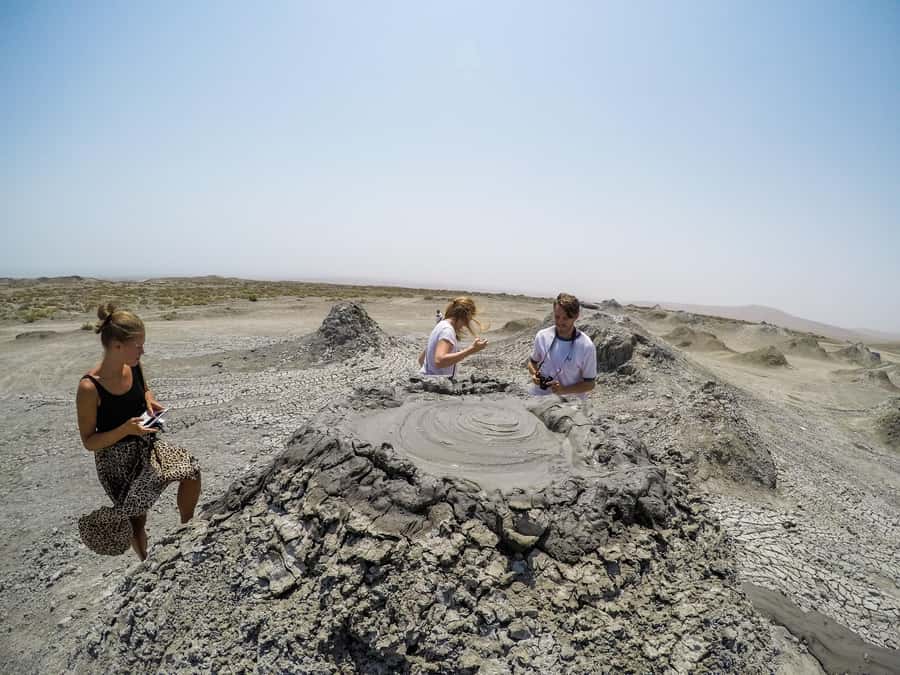
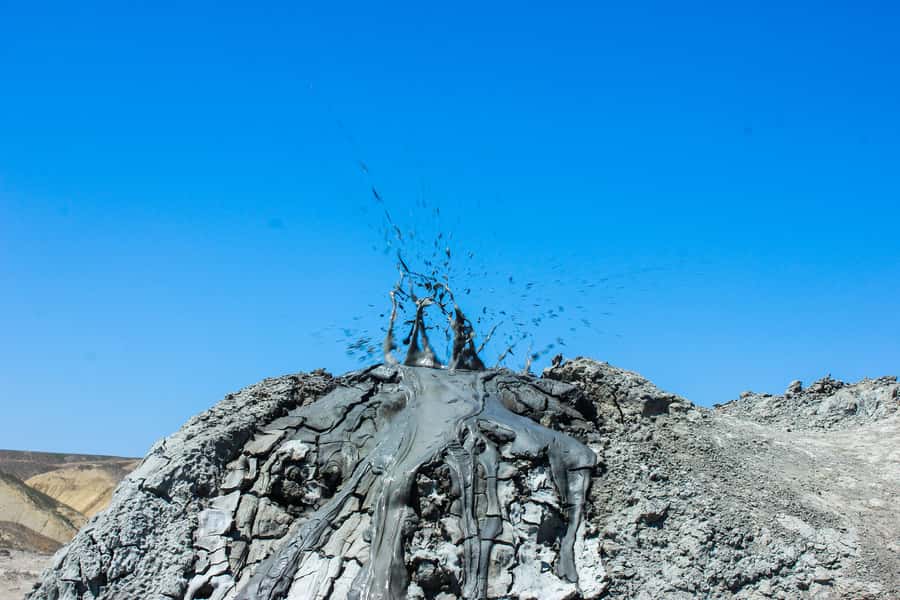
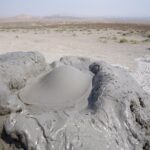
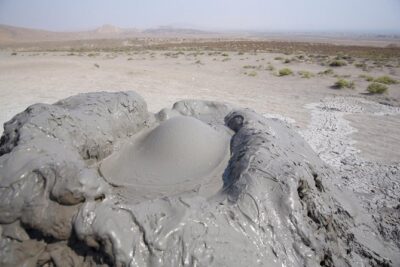
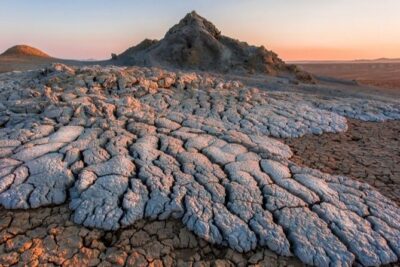
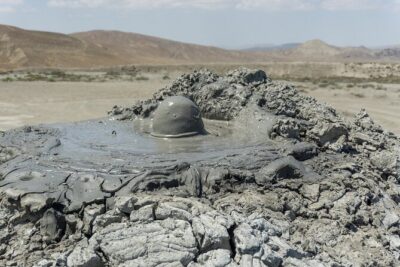
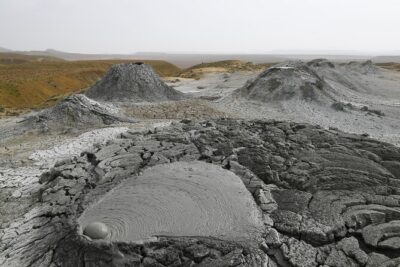
After Gobustan, you head to the mud volcanoes, and this is where the day gets delightfully weird. These are not classic fiery volcanoes. They are mud volcano formations where you can see crater openings and active eruptions, and your guide explains how mud and volcanic clay are used for medicinal purposes.
You get a short guided visit here, designed to get you close without turning it into an all-afternoon hike. The guide covers some big numbers that make the site feel global, not just local: Azerbaijan is ranked first in the world by the number of mud volcanoes, and the country has about 350 of the 800 mud volcanoes worldwide. Even more striking is the age factor, with these formations appearing on what is now Azerbaijan’s territory around 25 million years ago.
You also learn the practical side of why this matters. The tour explains that eruptions can be used as raw material for chemical and construction industries, and even in pharmacology. For your body-and-health curiosity, the emphasis is on how volcanic clay and mud are used in treatment of issues related to the nervous system, skin conditions, and rheumatism. I like that this is presented as “medicinal properties and uses,” not a miracle pitch. It keeps expectations realistic while still giving you real reasons the place is important.
What to expect on the ground: there is a chance to climb the active mud volcanoes and look into craters up close. That means uneven surfaces and a little effort. If you have short legs, balance concerns, or you just dislike slippery footing, take it slowly, keep a firm stance, and use the guide to pick the safest spots.
Lunch is typically after this phase, in the city center. Since lunch is not included, I suggest you use that break to eat something simple and filling, then come back hydrated for the fire-and-flame portion of the day.
Ateshgah Fire Temple: worship built around a flame story
Next stop is Ateshgah of Baku, a site where fire worship traditions shaped how people built spaces. This is one of the most meaningful stops on the tour because it connects belief, architecture, and regional history without needing a lot of imagination.
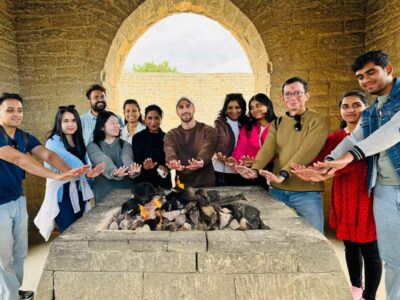
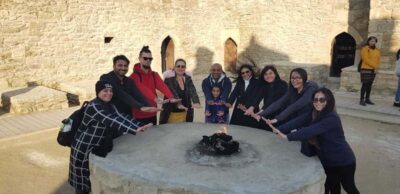
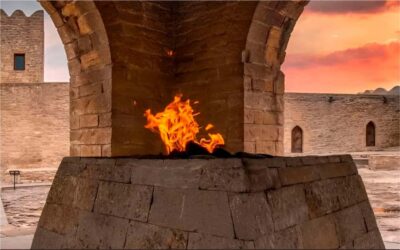
The tour explains that Ateshgah was used as a place of worship for both Hindu and Zoroastrian communities. The first mention of the temple goes back to the 7th century AD, so you are looking at a tradition that long outlived any single empire. Inside, you see cells of fire worshippers, along with historical exhibits found during archaeological excavations.
For me, the best part is how the guide connects what you see on-site to why the place mattered. Fire worship, sacred flame, ritual spaces, and the surrounding Absheron setting all tie together into a single theme: this region’s connection between natural phenomena and belief systems. You are not just sightseeing, you are learning how people interpreted the world around them.
Practical note: this stop is still part museum and part walk-through, so you will want your camera ready. But also pay attention to what the guide points out in the exhibit areas, since that is where the timeline and the “why” often land.
Yanardag Burning Mountain: the gas flame that keeps going
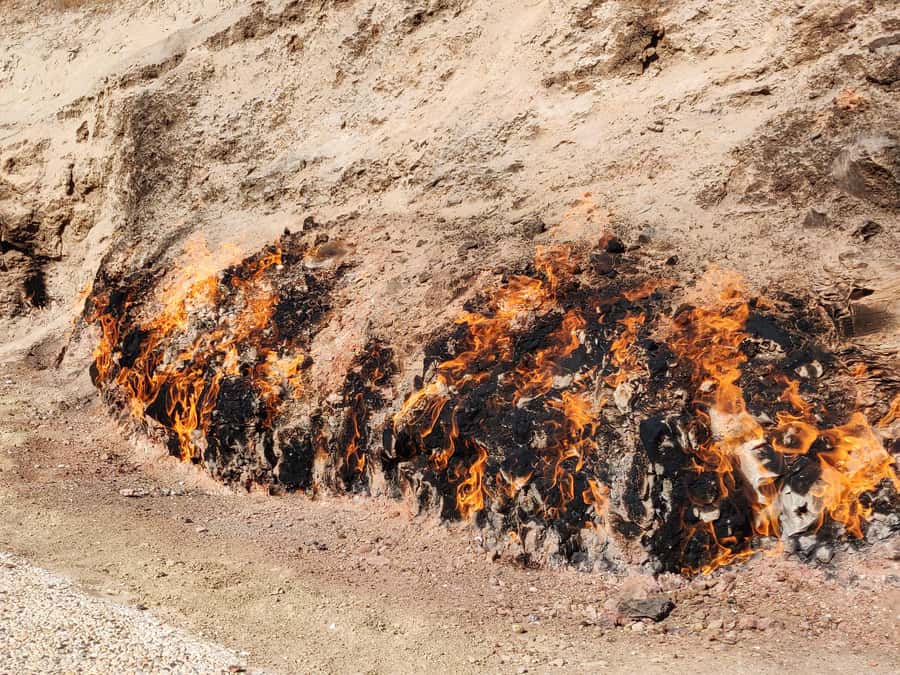
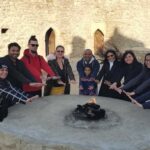
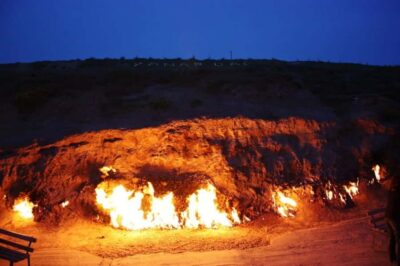
Finally, you reach Yanardag, often called the Burning Mountain. This is the cleanest payoff of the day’s theme, because you are literally standing near a natural gas flame that has been constantly burning since ancient times on a hillside near Baku.
The meaning of Yanardag is Burning Mountain, and the tour frames it as a sacred destination rather than a random roadside curiosity. You hear about pilgrims from Iran and India who still come to visit the burning mountain, which helps you understand why this flame has survived in people’s minds across centuries. There is something quietly powerful about seeing a natural phenomenon that has a steady presence, not a one-time spectacle.
What you should expect during the visit is a guided stop with time to look around the hillside area and take photos. It is not just a “see it and leave it” moment, especially if your guide is good at explaining how the flame fits into the broader beliefs tied to the region.
The main consideration here is again the outdoors factor. Bring water, use sunscreen if the sun is out, and dress for wind. Absheron can feel exposed.
The fire sights, run by other operators
Timing, comfort, and how to make the 9 hours feel fair
This is a full-day tour, about 9 hours total, so the trick is to show up ready for a packed schedule. Pickup and drop-off are handled in Baku, and you end with a drop-off at Fountain Square, which is convenient if you want to head straight to dinner afterward.
You travel with a private transportation setup, and the guide provides live English interpretation. The tour is designed for a private group, which usually means you get fewer bottlenecks and more chances to ask questions when something grabs your attention.
Your comfort plan matters:
- Bring water because you will spend time outdoors at multiple stops
- Wear comfortable shoes for the rock art area and the mud volcano terrain
- Pack sunscreen since several segments are open-air
- Bring a camera for petroglyphs, temple details, and the flame
Lunch is not included, so plan on money and time for that break. Since the tour typically takes you to the city center for lunch, you can use the pause to pick something quick and local rather than forcing a sit-down meal that might delay the rest of the day.
One more small but real tip: the best way to enjoy a day like this is to keep your expectations flexible. Gobustan has the deep-time feel. The mud volcanoes bring science and industry connections. Ateshgah and Yanardag switch into belief and sacred meaning. If you flow with the mood shifts, the day feels coherent instead of scattered.
Price and value: $99 plus tickets, for a lot of ground
The listed price is $99 per person, and it covers several big ticket items. You get pickup and drop-off in Baku, an accredited guide, and private transportation. The tour also includes the scheduled visits to the Gobustan site, the mud volcanoes, Ateshgah, and Yanardag.
What is not included matters for budgeting. Lunch is extra. There are also entry fees listed separately:
- Gobustan entry ticket: $6
- Mud volcanoes entry ticket: $9
- Ateshgah and Yanardag entry ticket: $9
If you add the three entry fees, you are looking at about $24 in site admissions on top of the $99 base price. That puts you around $123 all-in for the main tour sites before lunch and personal spending. For me, that is reasonable for a full-day circuit that includes four major Absheron stops plus English guiding and door-to-door logistics.
Where you really get your money’s worth is the guidance. These sites can be beautiful on their own, but they are easier to appreciate when someone explains the petroglyph timeline, the mud volcano facts, and the fire worship connection between Ateshgah and Yanardag.
The guide makes the difference, and it shows
One theme from the experience is the quality of the guide. An English live guide is included, and the tone is clearly history-forward and enthusiastic. In particular, one guide named Mushfiq has been singled out as both knowledgeable about Azerbaijan’s history and genuinely passionate about sharing it. That same guide also reportedly helped with extra local advice, like pointing people toward good places for dinner in Baku’s Old Town after the tour.
That kind of follow-through matters. When a guide gives you context during the day and then helps you choose where to eat afterward, you get more out of your time in Baku than just a checklist of stops.
Who should book this tour (and who should pause)
This is a great fit if you want variety in one day: prehistory, geology, religious history, and the natural gas flame story. It suits you if you enjoy seeing how a region’s natural features influence culture and belief.
You should also consider it if you like guided explanations. The museum setup and the guided walk-throughs make the experience easier to understand and more satisfying than self-guided visits would be, especially if you do not read Azerbaijani or want a clear English narrative.
If you dislike walking outdoors, this tour needs caution. It is not suitable for wheelchair users, and the mud volcano stop involves climbing and getting close to crater areas. If you have limited mobility or balance concerns, you might want to look for a less active option.
Should you book the Baku: Gobustan, Mud Volcanoes, Ateshgah, and Yanardag Tour?
I think you should book it if you want a single-day Absheron crash course with real context. The tour’s strongest advantage is how it links Gobustan rock art with the fire-and-flame theme at Ateshgah and Yanardag, then grounds it all with the science and uses of mud volcanoes.
If you are on the fence, here is the decision rule I’d use: if you can handle outdoor walking for a 9-hour day and you will budget for entry tickets plus lunch, this is a solid value choice. If you want a slow paced day or need full accessibility support, skip it and find a more tailored option.
FAQ
How long is the tour?
The tour lasts about 9 hours.
What does the tour include?
It includes pickup and drop-off in Baku, an accredited English live guide, private transportation, and visits to Gobustan Rock Art Cultural Landscape, the mud volcanoes, Ateshgah (Fire Temple), and Yanardag (Burning Mountain).
Is lunch included?
No, lunch is not included.
Are entry tickets included?
No. Entry tickets are listed as extra: Gobustan ($6), mud volcanoes ($9), and Ateshgah and Yanardag ($9).
What language is the guide?
The live tour guide provides English.
Is this a private group tour?
Yes, it is a private group.
Is the tour wheelchair accessible?
No, it is not suitable for wheelchair users.
What should I bring?
Bring comfortable shoes, a camera, sunscreen, and water.
What is the cancellation policy?
You can cancel up to 24 hours in advance for a full refund.
The Rest of Our Azerbaijan Reviews

Ateshgah and Yanar Dag, Keep Reading
Gobustan, Three More Ways
More of Azerbaijan we have been out and written up
- The Magnificent Baku Night Tour★ 5.0 · 3 reviews
- Small-Group Day Trip to Gobustan, Mud Volcanoes, Ateshgah & Yanar Dagh★ 4.5 · 3 reviews
- Private Sheki Tour – Four Regions of Azerbaijan in one day★ 5.0 · 3 reviews
- Full Day Guided Tour of Shamakhi and Gabala★ 5.0 · 3 reviews
- Qobustan Absheron Full Day Tour★ 5.0 · 3 reviews
Gobustan Rock Art & Mud Volcanoes, compared.
 ★ 4.9Gobustan, Mud Volcano, Fire Mount, Temple Lunch EntryFrom $63,246 reviews
 ★ 5.0BEST Gobustan, Volcanoes & Absheron Fire Tour (Group or Private)From $331,254 reviews
 ★ 5.0Gobustan and Absheron tour (All inclusive)From $851,014 reviews
 ★ 4.7Gobustan, Volcanoes, Fire Temple and Yanardag Day TripFrom $29433 reviews
 ★ 4.5Gobustan & Mud, Fire Temple, Burning Mountain (Group & Private)From $10418 reviews
 ★ 4.9Gobustan Absheron Tour Entry Tickets includedFrom $6329 reviews
 ★ 5.0Gobustan-Mud Volcan-Fire Temple and Mountain Tour/Entrance incFrom $30267 reviews
 ★ 4.8Gobustan Mud Volcanoes Temple & Entry tickets includedFrom $9178 reviews
Browse the lists this tour appears in