
REVIEW · GOBUSTAN ROCK ART & MUD VOLCANOES
Baku: Gobustan, Mud Volcanoes, Fire Temple, & Yanar Dag Tour
Fire and stone. That is basically the theme of this Baku day trip, and it works. You get a guided run through UNESCO-listed Gobustan Rock Art, then jump from natural gas fire to ancient worship sites, ending with the famous Burning Mountain that keeps burning.
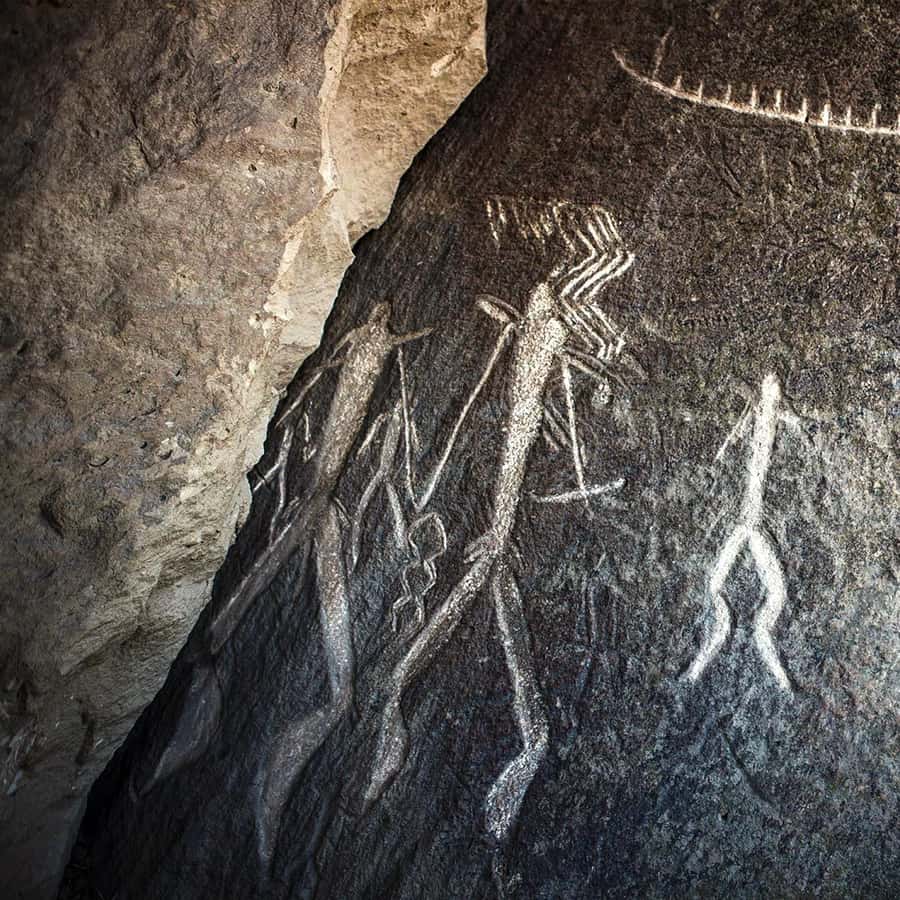
I especially like the way the stops connect. Gobustan shows daily life in prehistory through carvings of hunting, rituals, animals, even bull fights and camel caravans. Then Ateshgah and Yanar Dag let you see why this region is tied to fire, from sacred flames to a natural one that never goes out.
My only real caution is practical: the $6 base price is low, but the main entrance fees and an off-road mud volcano fee are not included in the base cost, so you should plan for extra cash.
In This Review
- Key things you should know before you go
- How this Baku tour hits four Azerbaijan “must-see” themes in one day
- Starting point and timing: plan for sun, walking shoes, and real gaps
- Gobustan National Park: the rock art that turns Absheron into a storybook
- My practical tips at Gobustan
- Mud volcanoes: the 25 AZN cash fee and why the off-road part matters
- What happens if it rains
- Ateshgah Fire Temple in Surakhany: a pentagonal complex built around fuel and belief
- The flame story at Ateshgah
- Ticket note
- Yanar Dag, Burning Mountain: the gas fire that never goes out
- Timing and what to do with your time
- Ticket note
- Price and value: the $6 headline price is only the start
- Guide quality: how to maximize the experience even if the group is mixed
- Who this tour suits best, and who should skip it
- One last reality check: what to bring and what not to bring
- Should you book the Baku Gobustan, Mud Volcanoes, Fire Temple, and Yanar Dag tour?
- FAQ
- Are lunch and entrance tickets included in the tour price?
- What languages is the live guide available in?
- Do I need cash for the mud volcano stop?
- Which sites does the tour visit?
- How long do you spend at each main stop?
- What should I bring for the day trip?
- Is smoking or alcohol allowed during the tour?
Key things you should know before you go
- Gobustan petroglyphs span 5,000 to 20,000 years, with carvings of sun, stars, hunting, and rituals
- Mud volcano access uses an off-road car, and the 25 AZN cash fee is mandatory at the start
- Ateshgah is a multi-faith fire temple with inscriptions pointing to Hindu, Sikh, and Zoroastrian use
- Yanar Dag is fueled by natural gas, and the flame is described as never extinguished
- Guides vary in style, and strong English delivery can make a big difference to how much you get out of the day
Other ways to do the petroglyphs and the bubbling mud
- Baku: Gobustan, Mud Volcano, Fire Mount, Temple Lunch Entry
★ 4.9 · 3,246 reviews - BEST Gobustan, Volcanoes & Absheron Fire Tour (Group or Private)
★ 5.0 · 1,254 reviews - Gobustan and Absheron tour (All inclusive)
★ 5.0 · 1,014 reviews - Baku: Gobustan, Volcanoes, Fire Temple and Yanardag Day Trip
★ 4.7 · 433 reviews
How this Baku tour hits four Azerbaijan “must-see” themes in one day
This tour is built around four very different kinds of spectacle that all belong to Absheron and Greater Baku. You start with human history at Gobustan, where the rock art feels like a time machine. Then you switch to earth energy at the mud volcanoes. After that, you move from natural fuel to cultural fuel at Ateshgah Fire Temple. Finally, you end with a fire you do not need to light, Yanar Dag, which keeps burning on a hillside.
What I like about this structure is that it keeps your brain awake. You are not just sightseeing for the sake of photos. You are moving through ideas: how people lived, what the land looks like, how fire mattered, and why this peninsula has such strong ties to gas and flame.
The day is also efficient. The guided timing is tight at each major stop, so you see the headline sites without a lot of dead time. You will still want breaks for water and photos, but the route is designed to keep momentum.
Starting point and timing: plan for sun, walking shoes, and real gaps
You begin with pickup in Baku at Gosha Gala Gapysy. From there, the flow is straightforward: Gobustan first, then mud volcanoes, a lunch break in Baku, then Ateshgah and Yanar Dag before returning to the pickup point.
Even if the pacing is brisk, do not underestimate the comfort factor. You are outside for long stretches, and you are dealing with uneven ground in at least two areas: Gobustan’s rock-art landscape and the approaches around the mud volcano area. Bring comfortable shoes and expect you might walk more than you think from the short official sightseeing times.
Bring water and sunscreen, and a hat is a real quality-of-life upgrade. The description also suggests carrying camera gear, plus cash and a credit card, which makes sense because several key costs happen on-site.
If you are picky about views from the car, I will add this: one guide feedback note mentions the vehicle outside was dirty, which made it harder to see properly through the windows. You cannot control everything, but you can do two things. Sit where your view is best, and if the car is unusually dirty, ask for quick window cleaning before you settle in for the ride.
Gobustan National Park: the rock art that turns Absheron into a storybook
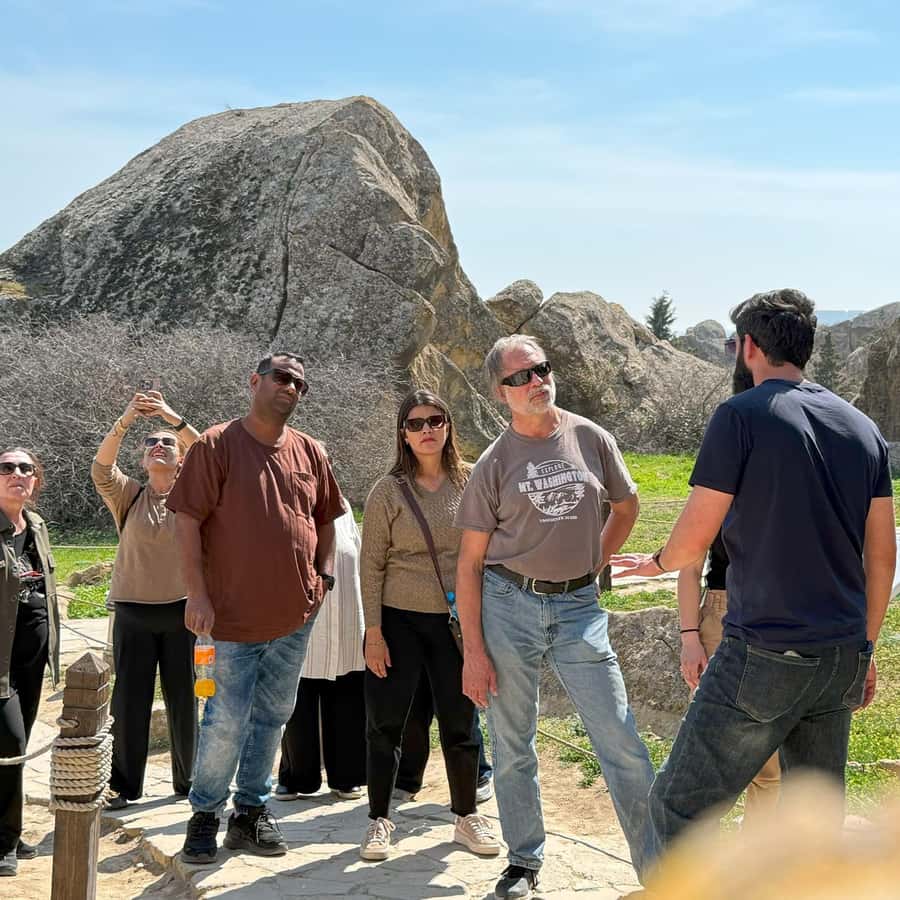
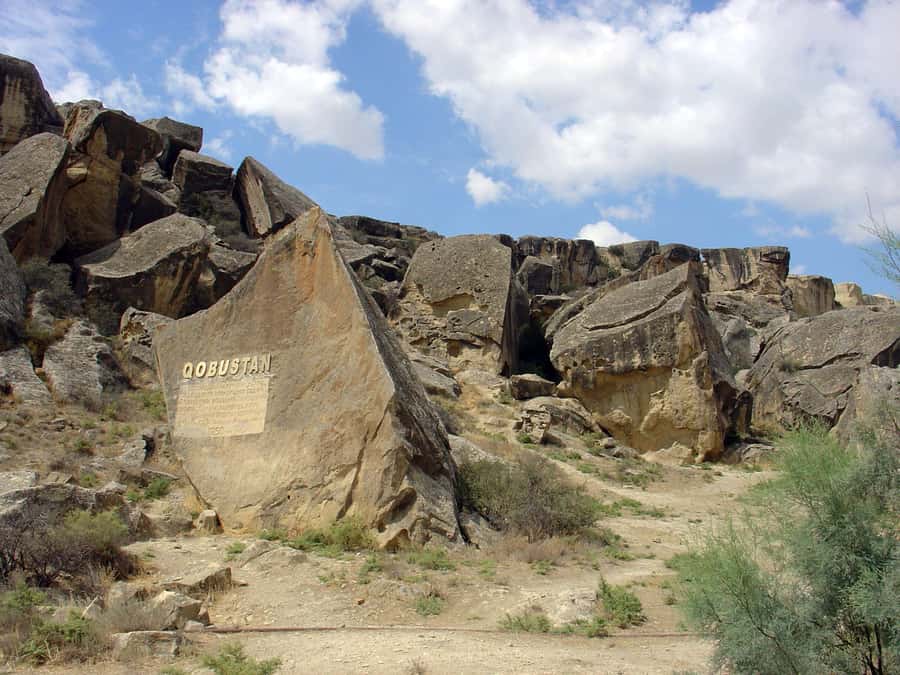
Gobustan is the reason this tour works. The park is listed as a UNESCO World Heritage site, and the star feature is the rock art itself, often called Gobustan Rock Art Cultural Landscape.
The carvings cover a wide range of themes that make the place feel alive rather than symbolic. You will see depictions tied to:
- flora and fauna
- hunting and everyday survival
- ritual dances
- men with lances
- animals
- bull fights
- camel caravans
- the sun and stars
The dates given for these carvings are huge, roughly 5,000 to 20,000 years. That matters, because it means you are not just looking at one snapshot. You are seeing repeated human attention to the same rocks across a long timeline, which is why this site feels so strong even if your visit time is limited.
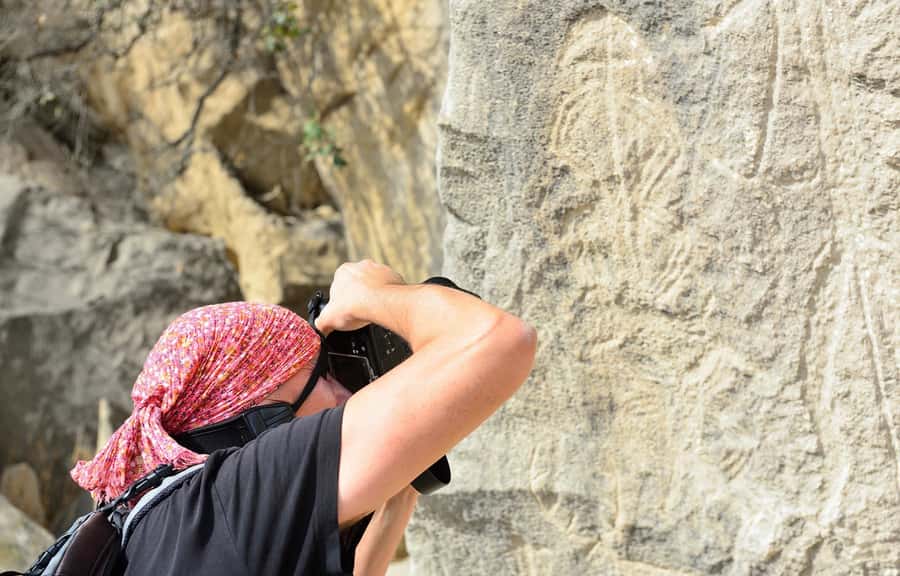
A guided walkthrough helps here. Without a guide, you can still appreciate the carvings, but with a good guide you start noticing patterns: what gets repeated, what looks stylized versus what looks observational, and how the images reflect shifting ways of life.
My practical tips at Gobustan
- Wear shoes you can trust on uneven ground.
- Use your camera early. Light changes fast outdoors, and you will want clean shots of carvings before shadows get busy.
- If you get a guide like Vahid, lean in. His style is praised as knowledgeable and helpful, and at Gobustan that can translate into a lot more understanding per minute.
One drawback to know in advance: Gobustan tickets are not included in the base price. You will need to buy the entry for Gobustan Rock Art, 10 AZN if you did not choose an entrance-fee-included option.
The fire sights, run by other operators
Mud volcanoes: the 25 AZN cash fee and why the off-road part matters
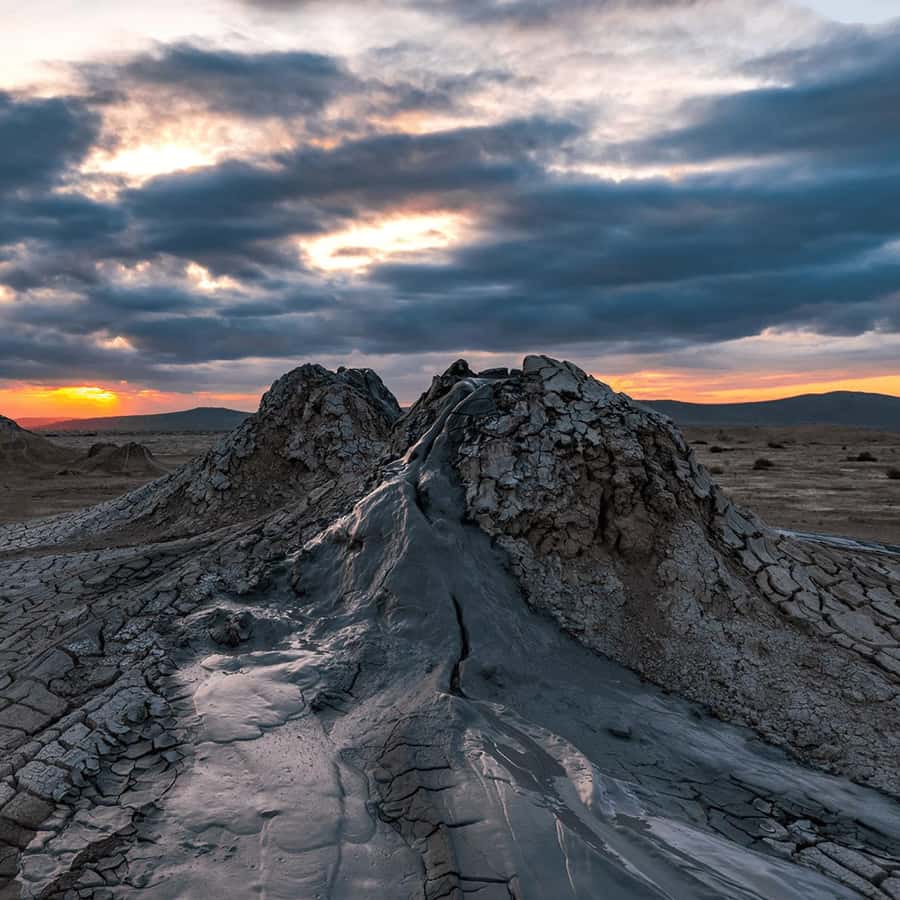
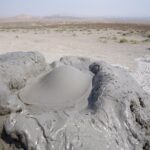
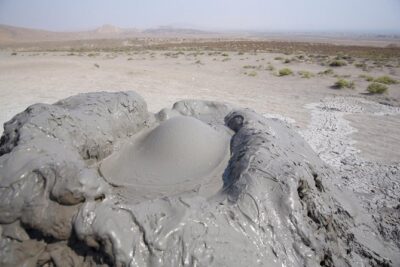
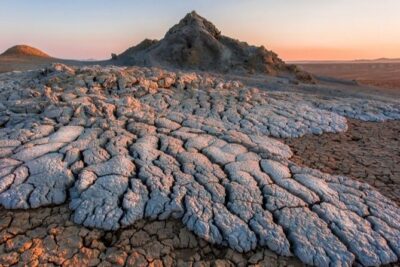
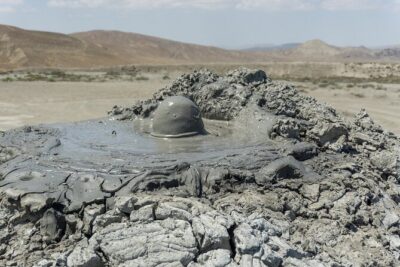
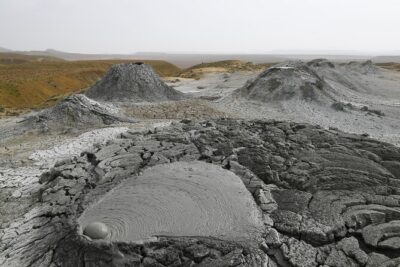
Mud volcanoes sound simple until you see how the terrain is handled here. The tour includes a stop at Azerbaijan’s mud volcano area, but access is not just a walk off the road. It specifically calls for off-road cars, and there is a mandatory fee at the start of that segment.
Here is the exact cost detail you should plan for: 25 AZN cash for the off-road cars for the mud volcanoes visit. That fee is described as collected at the start of the tour segment to prevent delays.
That matters because this is not just a charge, it changes the experience. If you are transported off-road to get closer to the active areas, you are more likely to see the features that make mud volcanoes worth the trip. Mud volcanoes are scattered across the country, and the description highlights a strong statistic: 350 of the 700 mud volcanoes of the world are in Azerbaijan. Even if you are not chasing a global count, that gives you a sense of why people come to this area.
What happens if it rains
Weather changes the visit. If it rains, the tour will go to the Mud Volcanoes Complex instead, and the 25 AZN off-road fee still applies. That is good to know because it prevents frustration when the plan shifts.
The sightseeing time listed for the mud volcano stop is short, around 20 minutes. So do not plan to read every sign in detail on-site. Focus on the views and the shapes, and listen for what your guide explains about the “why” behind the eruptions.
Ateshgah Fire Temple in Surakhany: a pentagonal complex built around fuel and belief
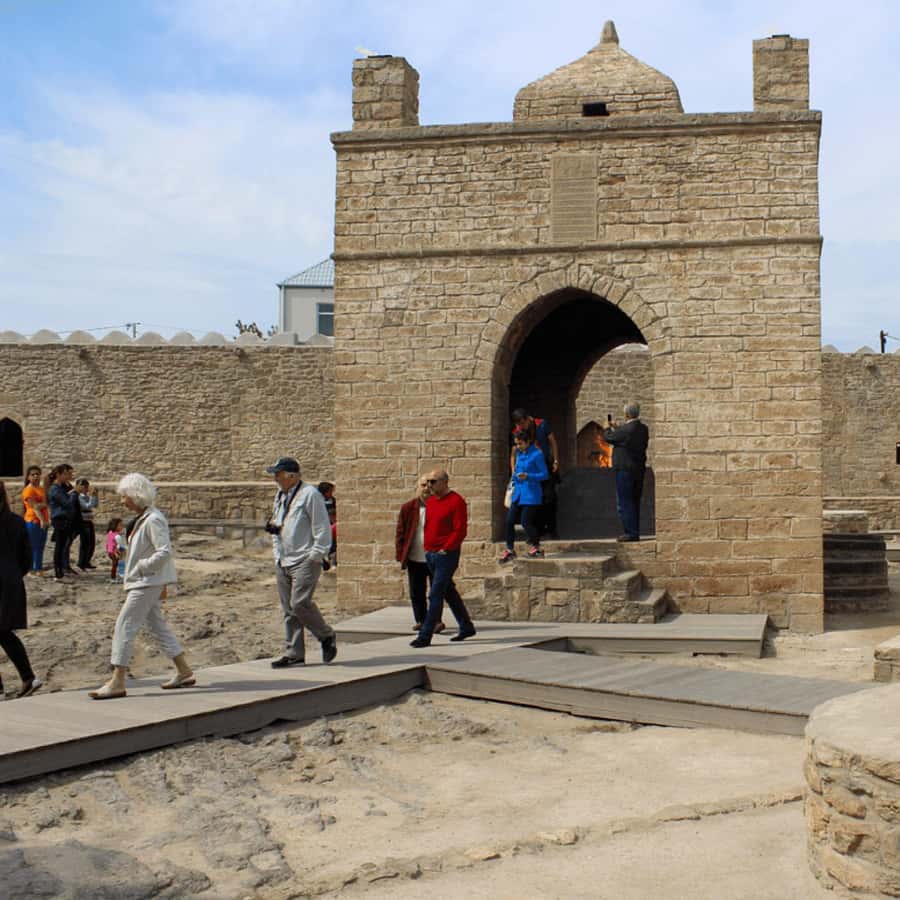
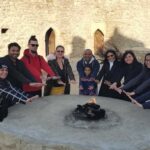
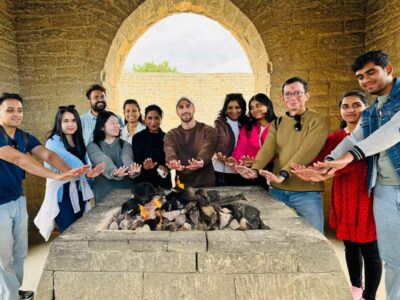
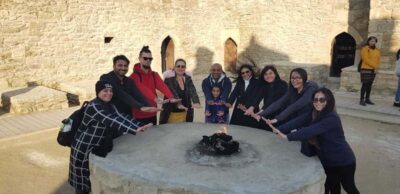
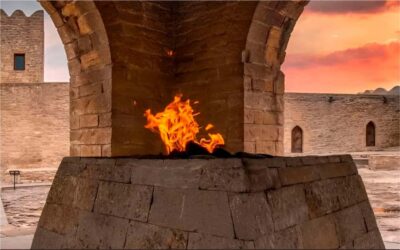
Next comes Ateshgah, often called the Fire Temple of Baku. This is in Surakhany town, and it is described as a castle-like religious temple with a pentagonal layout.
The key thing about Ateshgah is that it is not framed as one single tradition. Based on Iranian and Indian inscriptions, the temple was used as a place of worship for Hindu, Sikh, and Zoroastrian communities.
Architecturally, it is described as a courtyard surrounded by cells for monks, with an altar in the middle. The complex was built during the 17th and 18th centuries, then abandoned in the late 19th century, likely because the Indian population in the area dwindled.
The flame story at Ateshgah
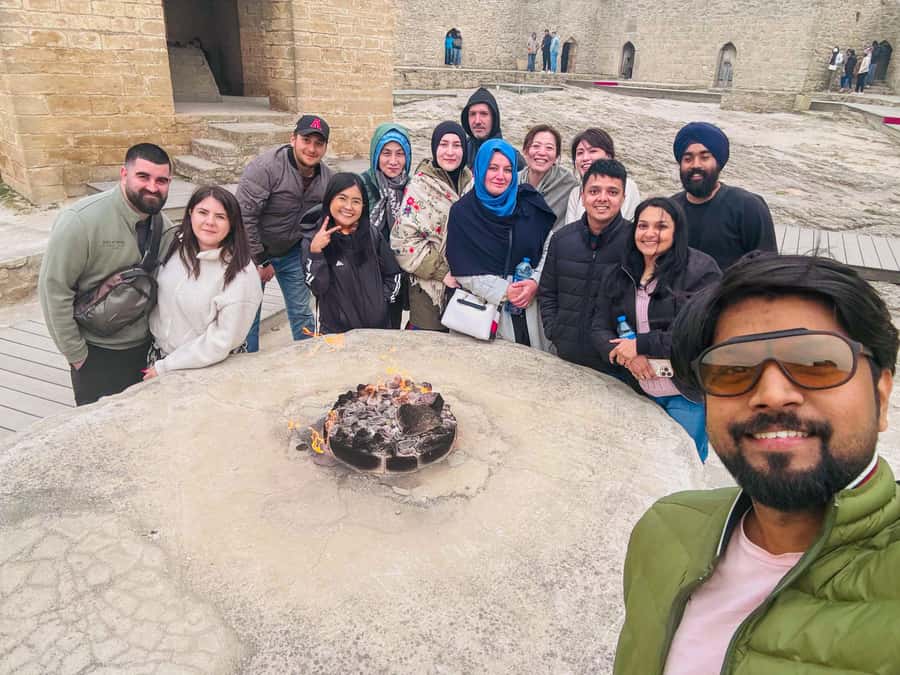
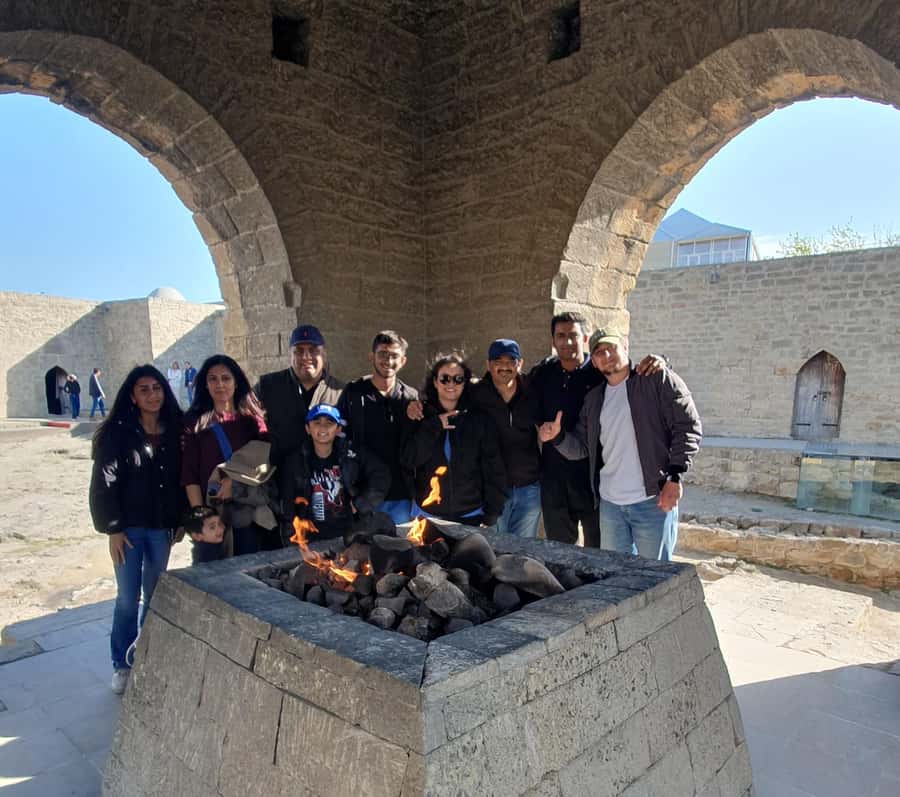
This site is also famous for its connection to the area’s gas and petroleum use. The natural eternal flame went out in 1969, after nearly a century of usage of petroleum and gas in the area. Today, it is said to be lit again with gas piped from the nearby city.
That mix of sacred practice and local fuel infrastructure is what makes Ateshgah feel more than just ruins. It is a living example of how this land’s resources shaped belief.
Ticket note
Ateshgah entry is not included in the base price. The fee listed is 15 AZN for Ateshgah and Yanardagh combined, which you may pay depending on the option you choose.
If you get a guide who can speak clearly, this is where your understanding spikes. Even a short 45-minute guided visit can feel long if you know what you are looking at, because the building’s layout is easier to interpret when someone explains it.
Yanar Dag, Burning Mountain: the gas fire that never goes out
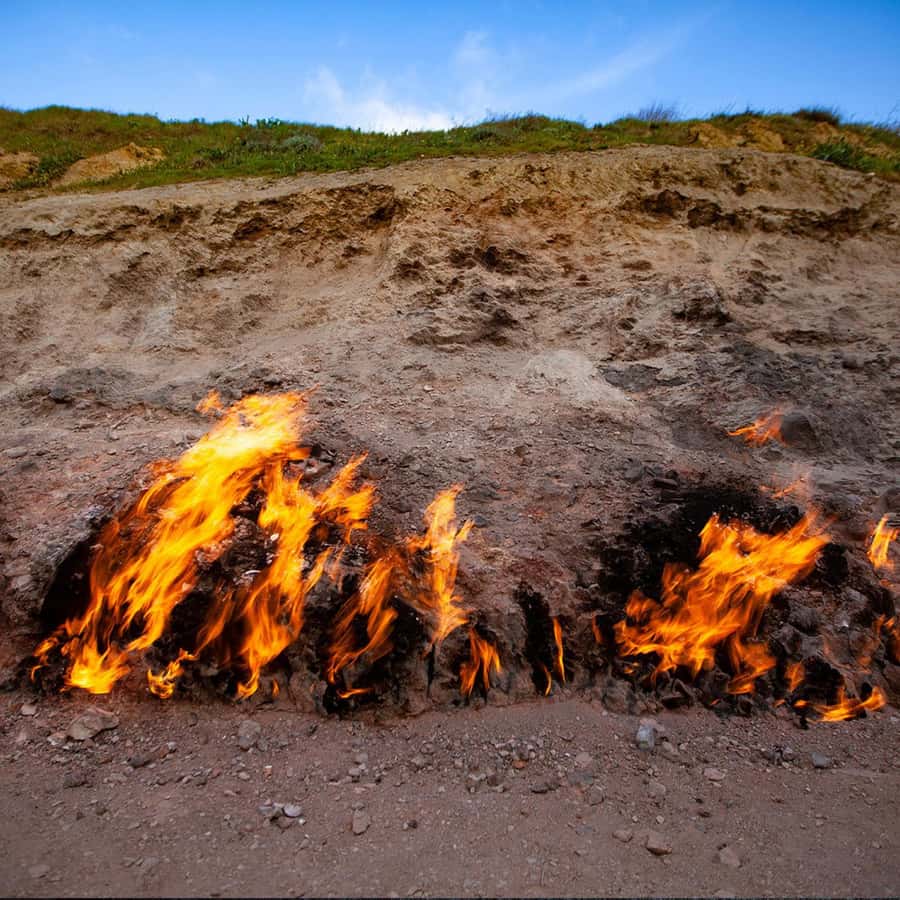
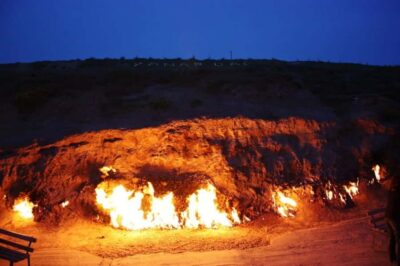
Finally, you end at Yanar Dag, also called Burning Mountain. This is the most “wow” stop for many people because it is a natural gas fire on a hillside on the Absheron Peninsula near the Caspian Sea.
The description gets specific about the flame:
- Flames jet about 3 meters into the air
- The flame is said to be never extinguished
- You can smell gas in the area around the open fireplace
- Flames rise to about 10 meters at the base of a 10-meter-wide scarp below a hillside
- The fire comes from vents in porous sandstone formations
This is the kind of sight that turns into a short science lesson whether you plan it or not. You are looking at something that is continuously fed, not a staged effect. That is why it can feel both dramatic and slightly surreal.
Timing and what to do with your time
The sightseeing time at Yanar Dag is listed around 20 minutes. Use that time for two things:
- See it from multiple angles if you can.
- Take your main photos quickly, then just watch for a minute. The flame behavior is steady, and watching it for a short period gives the site a different mood than a snapshot.
Ticket note
Yanardagh entry is included in the same fee bundle listed as 15 AZN for Ateshgah and Yanardagh. Again, you either pay on-site or choose a bundle option that includes entrance fees.
Price and value: the $6 headline price is only the start
On paper, this tour looks like a bargain at $6 per person. The catch is that the base price does not include several key entries. So the real value depends on whether you budget for tickets and cash.
Here are the fees you should expect if entrance fees are not included in your booking:
- Gobustan Rock Art: 10 AZN
- Mud volcanoes off-road cars: 25 AZN cash (mandatory)
- Ateshgah and Yanardagh: 15 AZN
Add them up and you can see why the base price is so low. The tour is essentially separating “transport and guiding” from “site entrances and vehicle access.”
That said, the value can still be strong. You get transport by car, plus professional guiding across four headline Azerbaijan sites. And because the route includes both natural wonders and a major cultural stop, you are spending your time efficiently instead of hopping around the region alone.
If you hate on-site ticket stress, choose the option that includes entrance fees. The tour data also says that choosing that option can include a complimentary Baku Old City Tour, which is a nice bonus if you plan to explore Baku on your own day anyway.
Guide quality: how to maximize the experience even if the group is mixed
The guide can make or break a short, packed tour. In the feedback, Vahid is singled out for being very knowledgeable and sharing lots of information at each stop. That kind of guide turns Gobustan’s carvings into something you can actually interpret, and it makes Ateshgah’s layout easier to follow.
There is also a cautionary note about weaker English delivery and rushed explanations tied to a guide named Aqil. I am not saying the guide will be bad for you, but I am saying this is where you should be strategic. If you can choose, pick a time slot and booking option that you feel confident about. On the ground, be proactive: ask a simple question like what to focus on at the next stop. If you do not get a clear answer, you will know quickly and can adjust your expectations.
Also, for your own enjoyment, think in themes. Ask yourself what connects each stop:
- What does fire mean here?
- What does the land look like and how does it behave?
- What did people record on these rocks?
That turns a basic sightseeing day into a connected story, even when the pace is brisk.
Who this tour suits best, and who should skip it
This is a strong match if you like fast-paced, high-impact sightseeing where the guide ties nature and culture together. It is ideal for first-time visitors to Baku who want Gobustan and Absheron’s signature features without planning logistics.
It is also a good fit if you enjoy learning history that is written into place, not just museums. Gobustan and Ateshgah are both about meaning on-site.
Two groups should think twice:
- Wheelchair users are listed as not suitable.
- People over 95 years are not suitable.
If you are traveling with someone who struggles with walking on uneven terrain or being outside for extended periods, you might want a more relaxed option.
One last reality check: what to bring and what not to bring
To have an easy day, follow the practical list provided:
- Comfortable shoes
- Hat
- Camera
- Credit card
- Sunscreen
- Water
- Cash
And follow the stated rules:
- No pets
- No smoking
- No alcohol or drugs
- No feeding animals
- No electric wheelchairs
- No explosive substances
- No alcoholic drinks in the vehicle
Also, lunch is not included. Plan on using that 1 hour break in Baku to find food on your own.
Should you book the Baku Gobustan, Mud Volcanoes, Fire Temple, and Yanar Dag tour?
If you want a compact day trip that covers four signature Absheron highlights, I think this is an easy yes. The route makes sense, the sights are genuinely different, and when the guide is strong you will leave understanding why this region is famous for both ancient fire worship and natural gas flames.
Book it if:
- You care about Gobustan rock art and want it guided, not guessed.
- You think mud volcanoes and Yanar Dag sound strange in a good way.
- You are comfortable paying entrance fees on top of the base price.
Skip or rethink it if:
- You hate extra on-site costs and prefer everything included.
- You are very sensitive to pace and want longer time at each stop.
- You need wheelchair-friendly access.
If you do book, my best advice is simple: bring cash for the mud volcano access, wear solid shoes, and ask your guide one good question at the first stop. That sets the tone for the rest of the day.
FAQ
Are lunch and entrance tickets included in the tour price?
Lunch is not included. Entrance tickets for Gobustan National Park, Ateshgah Fire Temple, and Burning Mountain (Yanardagh) are not included in the base price unless you select the option that includes entrance fees.
What languages is the live guide available in?
The live tour guide is available in English and Russian.
Do I need cash for the mud volcano stop?
Yes. The off-road car fee for the mud volcanoes is 25 AZN cash and is mandatory.
Which sites does the tour visit?
You visit Gobustan Rock Art Cultural Landscape, the mud volcanoes area, the Ateshgah Fire Temple, and Yanar Dag (Burning Mountain).
How long do you spend at each main stop?
Gobustan is about 1 hour, mud volcanoes about 20 minutes, Ateshgah about 45 minutes, and Yanar Dag about 20 minutes. There is also a 1 hour lunch break in Baku.
What should I bring for the day trip?
Bring comfortable shoes, a hat, sunscreen, water, a camera, and cash. A credit card is also listed as useful.
Is smoking or alcohol allowed during the tour?
No. Smoking and alcohol are not allowed, and alcohol or drugs are prohibited in the vehicle.
The Rest of Our Azerbaijan Reviews

Ateshgah and Yanar Dag, Keep Reading
Gobustan, Three More Ways
More of Azerbaijan we have been out and written up
- The Magnificent Baku Night Tour★ 5.0 · 3 reviews
- Small-Group Day Trip to Gobustan, Mud Volcanoes, Ateshgah & Yanar Dagh★ 4.5 · 3 reviews
- Private Sheki Tour – Four Regions of Azerbaijan in one day★ 5.0 · 3 reviews
- Full Day Guided Tour of Shamakhi and Gabala★ 5.0 · 3 reviews
- Qobustan Absheron Full Day Tour★ 5.0 · 3 reviews
Gobustan Rock Art & Mud Volcanoes, compared.
 ★ 4.9Gobustan, Mud Volcano, Fire Mount, Temple Lunch EntryFrom $63,246 reviews
 ★ 5.0BEST Gobustan, Volcanoes & Absheron Fire Tour (Group or Private)From $331,254 reviews
 ★ 5.0Gobustan and Absheron tour (All inclusive)From $851,014 reviews
 ★ 4.7Gobustan, Volcanoes, Fire Temple and Yanardag Day TripFrom $29433 reviews
 ★ 4.5Gobustan & Mud, Fire Temple, Burning Mountain (Group & Private)From $10418 reviews
 ★ 4.9Gobustan Absheron Tour Entry Tickets includedFrom $6329 reviews
 ★ 5.0Gobustan-Mud Volcan-Fire Temple and Mountain Tour/Entrance incFrom $30267 reviews
 ★ 4.8Gobustan Mud Volcanoes Temple & Entry tickets includedFrom $9178 reviews
Browse the lists this tour appears in