
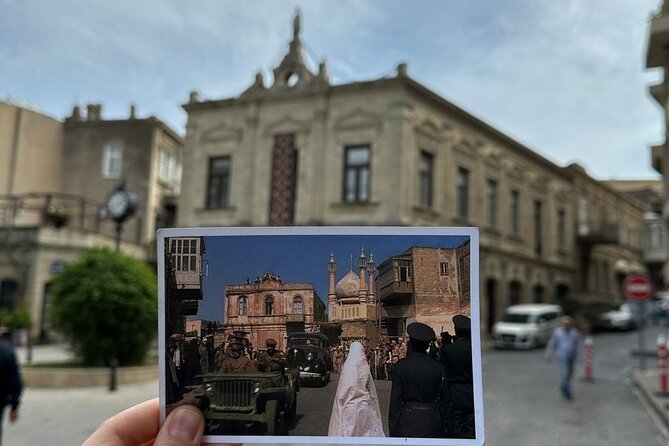
REVIEW · BAKU OLD CITY WALKS
Baku’s Ancient Heart
Baku’s Old City has a way of grabbing you fast. This walking tour threads through UNESCO sights like the Maiden Tower and the Palace of the Shirvanshahs, then connects them to everyday stories you can actually picture, from Silk Road merchants to local legends. What I love most is the way guide Heydar turns monuments into human-scale moments, with humor and patience that keep questions coming.
I also like that the route moves at a friendly pace through narrow, cobbled streets, so you get more than just photos. The biggest drawback to plan for is the physical reality of the Old City and the optional Maiden Tower climb, with narrow upstairs and no elevator.
You’ll pay $25 per person for the walk itself, not a pile of complicated add-ons. If you want an efficient way to get your bearings and still feel like you found the city, this is a strong option.
In This Review
- Key highlights at a glance
- First Steps in Baku’s Old City: Meeting Point and Mini-Group Feel
- The Maiden Tower Stop That Sets Your Mental Map
- Silk Road Footprints: Open-Air Museum and Two Caravanserais
- Legends in Stone: Lovers and Cats, Baku Khans, and Local Stories
- Yeraltı Hamam and Bathhouse Culture: Underground Comfort and Old Practices
- Ali Shamsi Art Wall and the Idea of Living Craft
- Palace of the Shirvanshahs: A Huge Site You See Without Rushing
- Museum of Miniature Books: Small Scale, Big Attention
- Vahid Monument and the Tree of Life Concept
- Mosques Walk: Muhammad Mosque, Juma Mosque, and Lezgi Mosque
- Vagif Mustafazadeh, Sharab Wine, and Mugam Meets Jazz
- Practical Value: Price, Pace, and How to Plan Your Day
- Who This Tour Fits Best (and Who Might Want Something Else)
- Should You Book Baku’s Ancient Heart?
- FAQ
- How long is Baku’s Ancient Heart?
- What does the tour cost?
- Where does the tour start?
- What languages is the guide available in?
- Do I get a mobile ticket?
- How large is the group?
- Is tipping included in the price?
- Does the tour require good weather?
Key highlights at a glance
- Maiden Tower views over old rooftops and the newer city, plus the option to go up (with narrow stairs)
- Silk Road caravanserais, including two different historical influences explained right on the route
- A guide-led mix of legends and architecture, from Lovers and Cats to the Khans’ house
- Hands-on culture stops, like the underground bath (Yeraltı hamam) and a functioning hammam
- Small-things-that-wow you, especially the Museum of Miniature Books and its Guinness-linked collection
- A smooth route for a short time, designed for a mini-group of up to 15 people in about 2 hours
More laps of Icherisheher, compared
- Baku Oil Heritage & Old Town Walking Tour
★ 5.0 · 232 reviews - Guba Khinalug & Candy Cane Mountains tour (by Old City Tours)
★ 4.5 · 208 reviews - Gabala + Shamakhi tour (by Old City Tours)
★ 4.5 · 198 reviews - Baku Walking Tour (Old City)
★ 5.0 · 127 reviews
First Steps in Baku’s Old City: Meeting Point and Mini-Group Feel
The tour starts at 16 Asəf Zeynallı küç, Bakı, Azerbaijan, and ends back at the same spot. That’s a simple setup, and it matters because the Old City can feel like a maze at first. With a max group size of 15, you’re not fighting the crowd every time you want to hear an explanation.
You’ll walk with a licensed guide in English or Russian, so the storytelling stays clear and practical. The format is also mobile-ticket friendly, which is useful when you’re juggling heat, photos, and changing plans.
Time-wise, the scheduled duration is about 2 hours, but you should still build in breathing room. One review mentioned a longer feel, and with a route packed with mosques, museums, and legend stops, that extra time can be worth it if you like asking questions.
The Maiden Tower Stop That Sets Your Mental Map
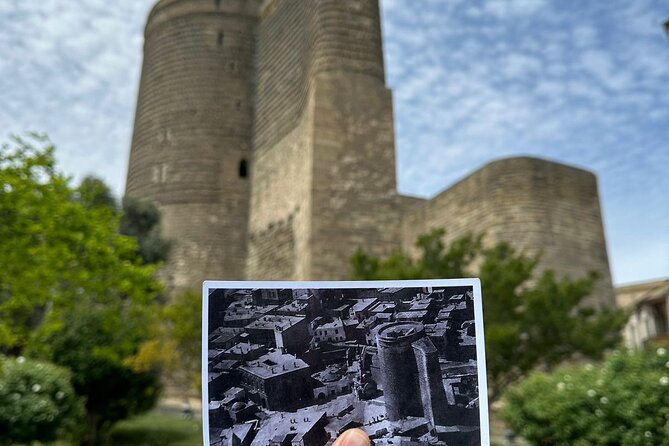
Every good Old City start needs a compass point, and the Maiden Tower plays that role. It’s often treated like Azerbaijan’s signature landmark, and here it’s the first big moment. You can also buy a ticket and go to the top if you want the wide view over the old lanes and the newer parts of Baku, with the Caspian Sea area in the background.
Here’s what to consider before you commit to climbing. The upstairs is narrow and there’s no elevator, so the tower is not designed for people who want wide, modern access. If you’d rather not deal with stairs in a tight space, you can still enjoy the exterior and the guide’s overview at street level.
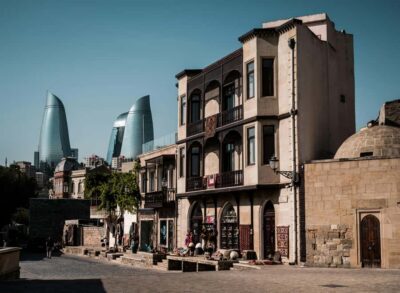
Even if you skip the climb, the tower works as an orientation tool. From the surrounding streets, you quickly start seeing how Baku’s Old City layers time: medieval stonework beside modern streets, and merchant-era routes still shaping where people walk today.
Silk Road Footprints: Open-Air Museum and Two Caravanserais
After the tower, you’re close to an open-air museum connected with the remains of the Saint Bartholomew chapel. The standout detail is the number of grave stones found there, described as more than 50. It’s a rare kind of exhibit because it doesn’t feel like a sealed indoor artifact. Instead, it reads like a place where layers of daily life once overlapped, and you can sense that it functioned as part of the broader neighborhood.
Locals call this spot a market place, and the tour connects it to the Great Silk Road. That’s the key idea to carry with you here. These stops are not random trivia. They’re signposts showing how trade shaped the city’s layout, the people who passed through, and the spaces that survived.
Then you walk past two caravanserais tied to specific merchant origins.
Multani Caravansarai is linked to merchants from Multan who used the fort-like shelter near the tower during the Silk Road era. The point is simple and useful: people didn’t just travel, they needed safe places to stay and protect goods. The building type itself tells that story.
Next is the Bukhara Caravanserai, explained through the influence of the Tatato-mongol period and the role of general Tamerlan in the region. The name is tied to a city in Uzbekistan, which is a good reminder that Baku’s history is not isolated. It’s part of a larger network, and names preserve that memory.
Legends in Stone: Lovers and Cats, Baku Khans, and Local Stories
At the Monument to Lovers and Cats, the tour leans into legend. Some stories are sad, some are about love, and the guide explains them as you stand in the exact spot where locals attach meaning. This is one of those stops that can sound small on paper, but it helps you feel the Old City as a living place, not just a lineup of monuments.
Then you shift from romance and folklore to power and governance at the House of Baku Khans. This is where the tour adds a timeline you can hold onto. Since the beginning of the 19th century, Azerbaijan was annexed by the Russian Empire, but before that, local khans ruled from within the city. The guide highlights that the khans lived here from 1747 until 1806.
That date range matters because it anchors what you’re seeing. You’re not just looking at an old house. You’re seeing a seat of leadership for a period of major change, which helps you understand why Baku’s Old City feels both traditional and transitional.
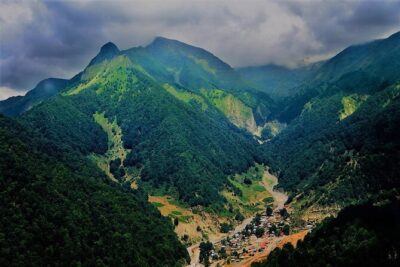

Yeraltı Hamam and Bathhouse Culture: Underground Comfort and Old Practices
Just next to the main entrance of the Old City, on the left side from the Double gates, you have Yeraltı hamam, an underground bathhouse from the 17th century. The fact that it’s underground is already interesting, but the bigger value is the idea of bathing as social and cultural practice, not just hygiene.
The tour also includes a stop at an Aptek Museum and Bathhouse area, and this one mixes history with local pop culture. Russian-speaking visitors often ask about a famous Soviet comedy filming location, the Brilliant Hand scene shot in 1968 at a place locals call Damn it. Even if you do not care about film trivia, it’s a useful example of how old streets keep reappearing in modern memory.
Bathhouse life also shows up in the tour’s mention of hammams built centuries ago, with one still functioning as a bathhouse. That functioning aspect, along with the idea that this style has continued into the present, gives you a chance to picture continuity rather than just change.
If you’re sensitive to tight spaces or low-lit interiors, you should pace yourself. You’re moving from outdoor cobbles into places that feel older and darker by design.
Ali Shamsi Art Wall and the Idea of Living Craft
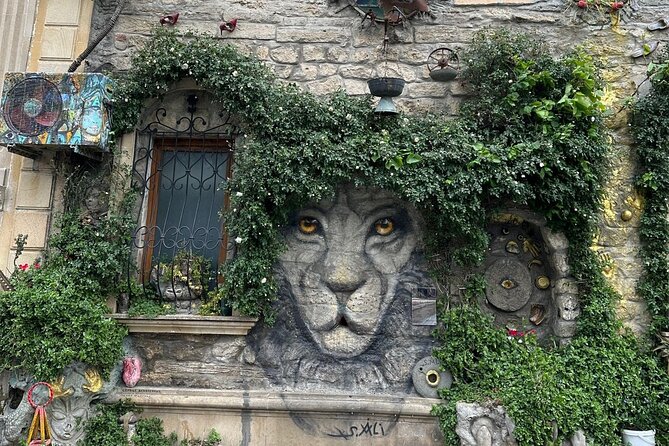
Walking past the Workshop Ali Shamsi, you’ll notice people standing near a wall with a big lion head depiction. This stop is short, but it fits the tour theme: Baku’s Old City has makers, not only monuments.
You’re not being asked to become an art expert. The value is that you see craft as part of street life. A lion head in a wall becomes a marker of where work happens and where community gathers around a shared visual tradition.
Palace of the Shirvanshahs: A Huge Site You See Without Rushing
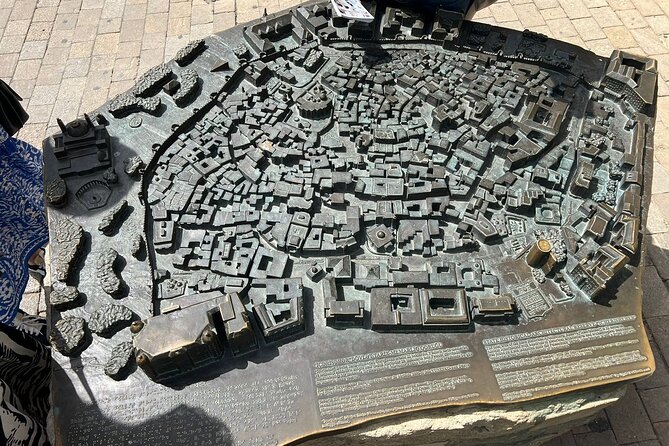
The Palace of the Shirvanshahs is one of the major anchors of the Old City. The tour explains that the Old City of Baku, the Shirvanshahs Palace, and the Maiden Tower have been on the UNESCO World Heritage list since 2000. It also gives you a clear construction window, built between the 12th and 15th centuries.
It’s also honest about restoration. The palace complex was damaged more than once, with the last major resumption noted as 2004. That kind of detail helps you understand why some parts look restored, and why the overall feel may not be a single uniform style.
One practical point: the tour does not go inside the palace grounds. The area is described as more than a hectare, and the tour says it would require at least an extra hour to do properly. For me, that’s a fair trade-off in a short 2-hour experience. You get the key idea and the main exterior storytelling without turning your day into a logistics test.
If you want to spend extra time inside historic rooms, then this tour can still be your warm-up. You’ll already know what you’re looking for when you return on your own schedule.
Museum of Miniature Books: Small Scale, Big Attention
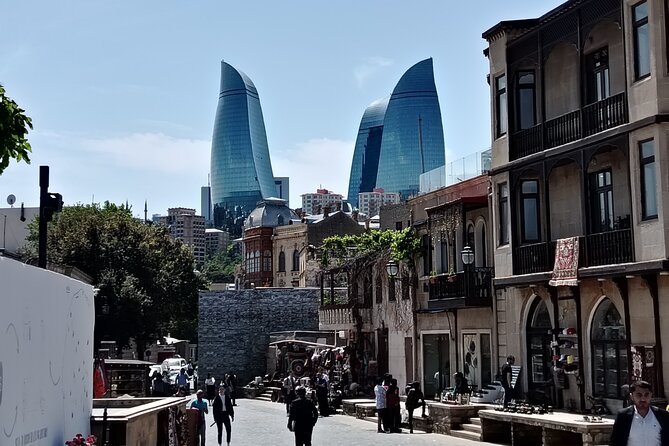
Not every Old City stop is about big stone. The Baku Museum of Miniature Books shifts the focus to something tiny enough to feel impossible. The tour highlights that the museum has books the size of a nail or even smaller. It also notes that since 2014 the collection has been included in the Guinness record as the biggest collection of miniature books in the world.
The most specific cultural detail is the mention of the smallest Holy Quran of the 17th century, shown in the museum. That’s the kind of detail that makes the stop memorable because it forces you to adjust your scale. You stop thinking of these objects as curiosities and start thinking of them as serious craftsmanship, religious devotion, and careful preservation.
This stop also works well for families and teens, because the wow factor lands quickly without needing long background lectures.
Vahid Monument and the Tree of Life Concept
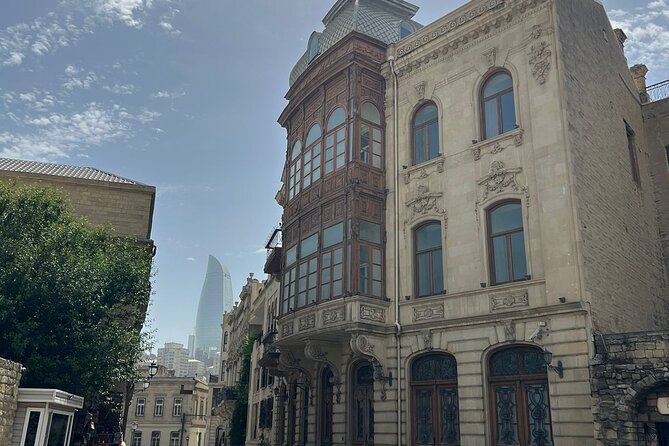
The Vahid Monument, described as a “Tree of life,” is tied to Azerbaijani poet Aliagha Vahid. The guide’s explanation points to life beginnings and endings depicted in the head of Aliagha Vahid.
This is a classic Old City move, a monument that looks artistic and symbolic while also being a local education moment. If you like when public art carries meaning, this stop will land with you. It’s also a decent rest moment in the tour rhythm, giving your feet a break between longer walks.
Mosques Walk: Muhammad Mosque, Juma Mosque, and Lezgi Mosque
Baku’s Old City gives you a rare chance to see multiple mosques close together, and the tour uses that cluster well.
The Muhammad Mosque is presented as the oldest mosque in the Old City, built in the 11th century. The guide explains it was likely built on the site of an ancient Zoroastrian fire temple, and that traces of fire appear under the prayer hall. Locals also have a nickname connection, called a broken tower, and the tour hints that the reasoning has a story behind it. This is a good stop if you enjoy how layers of belief can overlap in one place.
Next is the Juma Mosque, the main and biggest mosque in the Old City, built in the 12th century and restored at the beginning of the 20th century. The tour also notes something practical and specific: it’s described as the single mosque where women can pray inside within the Old City. That detail helps you understand how access and community practices work across religious spaces.
Finally, the Lezgi Mosque comes with both history and present-day change. The tour says that once there were 28 mosques in the small city area, but now only some remain. Lezgi Mosque is said to have been built in the 12th century by Ibragim Ashur, also known as Lezgian mosque. It’s under reconstruction, so your view may be partly limited.
If mosques are your thing, you’ll appreciate the variety of architecture and the guide’s explanations. If you are less into religion, focus on the architectural clues and symbolic details. The tour still gives you enough story to make the stops meaningful.
Vagif Mustafazadeh, Sharab Wine, and Mugam Meets Jazz
Two stops in this tour add a very modern flavor to the Old City mood.
The House Museum of Vagif Mustafazadeh is about a musician with a surprising blend. The tour describes his short life and notes that he combined Azerbaijani folk music of Mugam with American jazz. If you think of Old Cities as fixed in the past, this stop quietly corrects that. Culture evolves, and local music can carry international connections.
Then there’s the Absheron Sharab Wine Shop, tied to Azerbaijan’s pomegranate wine. The tour suggests you can stop to taste if you wish. Even if you don’t drink, watching how the wine fits into a local shop stop is useful. It’s a reminder that food and drink are part of cultural context, not just souvenirs.
Practical Value: Price, Pace, and How to Plan Your Day
At $25 per person for about 2 hours, this tour is priced like a focused orientation walk, not like a long museum day. That makes sense because the route is designed for concentrated storytelling across many small stops. You get a licensed guide, and that’s the core value here. The landmarks are famous, but the explanations are what help everything click.
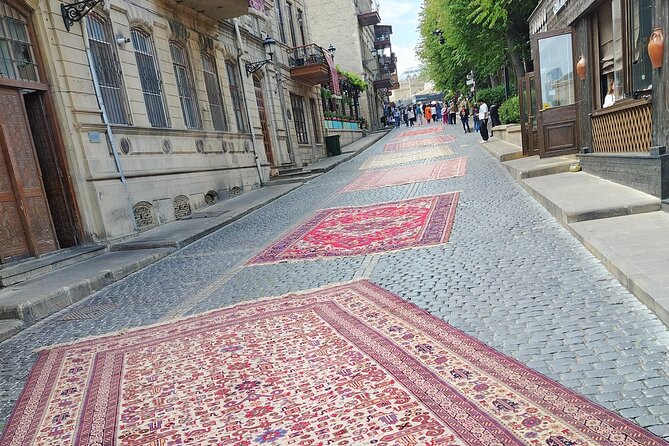
Pace matters. You’re walking through narrow, cobbled streets, which can be slow when you stop often for photos and questions. One reason small group size helps is simple: you don’t lose the thread of the guide’s story every time someone falls behind.
Also, the tour requires good weather. That doesn’t mean you should panic if rain threatens, but it does mean you should not treat this as a guaranteed indoor plan. Wet cobblestones can make the walk less fun and the Maiden Tower stairs more unpleasant.
Finally, remember that tips are not included. That’s standard for walking tours, but it’s worth planning if you prefer to travel with a clear budget.
Who This Tour Fits Best (and Who Might Want Something Else)
This tour is a good fit if you want:
- A quick, guided introduction to Baku’s Old City highlights
- A guide who explains with humor and patience, including for families and teens
- A mix of monuments, legends, and small-culture stops like miniature books and a bathhouse story
- A low-cost way to cover a lot of ground in a short time
It may be less ideal if you:
- Strongly prefer large indoor museum time, since this is built around walking and outdoor landmarks
- Need step-free options, since the Maiden Tower climb has narrow stairs and no elevator
- Want a palace interior visit, since the tour intentionally skips going inside the Palace of the Shirvanshahs grounds
Should You Book Baku’s Ancient Heart?
I’d book this tour if you like your travel days organized but not stiff. For $25, you’re buying a guide, not an admission ticket package, and the payoff is understanding how Baku’s Old City pieces connect. The Maiden Tower opening, the Silk Road caravanserais, and the miniature books stop give you both big landmarks and surprising details that stick.
If you’re short on time and want a guided plan that gets you oriented fast, this is a solid choice. If you’re someone who really wants to spend a full hour or more inside palace interiors or who needs accessible routes without stair climbing, you may prefer a different format or add-on.
If you do book, bring comfortable shoes, be ready for narrow spaces if you choose the tower climb, and save a little extra time in your day for the kind of conversations a guide like Heydar seems to encourage.
FAQ
How long is Baku’s Ancient Heart?
It lasts about 2 hours.
What does the tour cost?
The price is $25.00 per person.
Where does the tour start?
The meeting point is 16 Asəf Zeynallı küç, Bakı, Azerbaijan.
What languages is the guide available in?
The guide provides licensed English and Russian speaking commentary.
Do I get a mobile ticket?
Yes, the tour uses a mobile ticket.
How large is the group?
The tour has a maximum of 15 travelers.
Is tipping included in the price?
No. Tips are not included.
Does the tour require good weather?
Yes, the experience requires good weather.
The Rest of Our Azerbaijan Reviews



Deeper Into the Old City


More of Azerbaijan we have been out and written up
- The Magnificent Baku Night Tour★ 5.0 · 3 reviews
- Small-Group Day Trip to Gobustan, Mud Volcanoes, Ateshgah & Yanar Dagh★ 4.5 · 3 reviews
- Private Sheki Tour – Four Regions of Azerbaijan in one day★ 5.0 · 3 reviews
- Full Day Guided Tour of Shamakhi and Gabala★ 5.0 · 3 reviews
- Qobustan Absheron Full Day Tour★ 5.0 · 3 reviews
Baku Old City Walks, compared.
 ★ 5.0Baku Oil Heritage & Old Town Walking TourFrom $70232 reviews
 ★ 4.5Guba Khinalug & Candy Cane Mountains tour (by Old City Tours)From $79208 reviews
 ★ 4.5Gabala + Shamakhi tour (by Old City Tours)From $59198 reviews
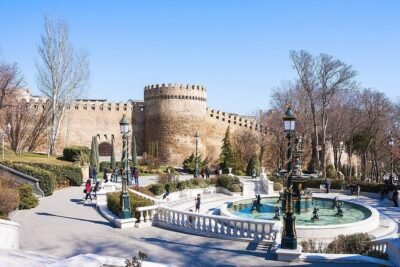 ★ 5.0Baku Walking Tour (Old City)From $18127 reviews
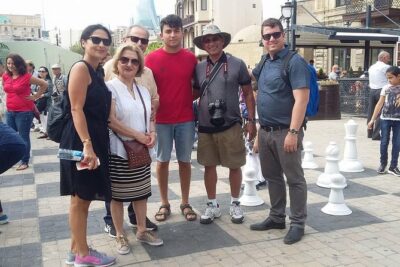 ★ 5.0Baku Old Town Walking Tour with a LocalFrom $7864 reviews
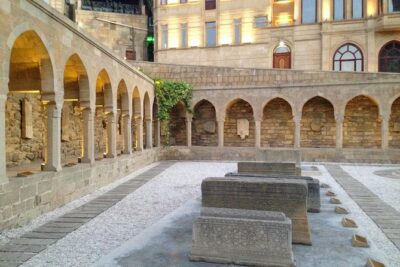 ★ 4.5Baku Old City Tour (officially by Old City Tours)From $2546 reviews
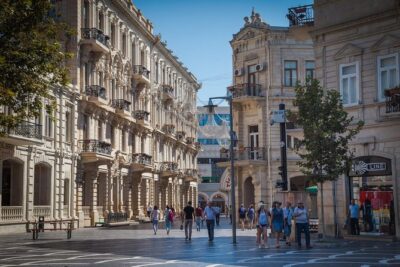 ★ 5.0Baku Downtown Original Walking TourFrom $1636 reviews
 ★ 5.0Baku Old City Wonders: A Walking Tour Through TimeFrom $3036 reviews
Browse the lists this tour appears in