
REVIEW · GOBUSTAN ROCK ART & MUD VOLCANOES
From Baku: Gobustan Day Tour
Rock art and mud volcanoes in one half-day. This Gobustan day tour packs Mesolithic petroglyphs and active mud volcanoes into a tight, easy outing from Baku. I like the clear way the guide connects images to everyday life long ago, and the hands-on style of the Gobustan 3D Bio Museum, which makes the site feel way more real.
You get one possible drawback to plan around: the total time is short at 4 hours, so you will move through the park at a steady pace, and during bad weather the mud volcano portion may run late.
Still, if your goal is a high-impact cultural stop with minimal hassle, this works. Guides such as Habil and Karim come up in the feedback for being helpful, fun, and good at explaining what you are looking at, and the car ride stays comfortable.
In This Review
- Key highlights not to miss
- From Baku: pickup, ride comfort, and a realistic 4-hour day
- Entering Gobustan National Park, where ravines shape the rock art
- The rock art story you will actually understand
- Gobustan 3D Bio Museum: 12 rooms that make the park click
- Mud volcanoes at Dashgil: the active side of Gobustan
- How the 4-hour pacing feels on the ground
- Guide quality can make or break this kind of day
- What you get for the price, and why it is good value
- What to bring, what to expect, and comfort basics
- Should you book this Gobustan and mud volcano day tour?
- FAQ
- How long is the Gobustan day tour from Baku?
- Do you get hotel pickup and drop-off in Baku?
- Is food included on the tour?
- Is the entrance fee included?
- What language is the guide?
- Does the tour run in bad weather?
Key highlights not to miss
- Gobustan open-air rock museum with thousands of petroglyphs and paintings
- Gobustan 3D Bio Museum with 12 rooms plus a 3D cinema experience
- Time-spanning rock images, from about 20,000-year-old scenes to the first century AD
- Roman-era clue in the form of a Latin inscription near Mount Boyuk-dash
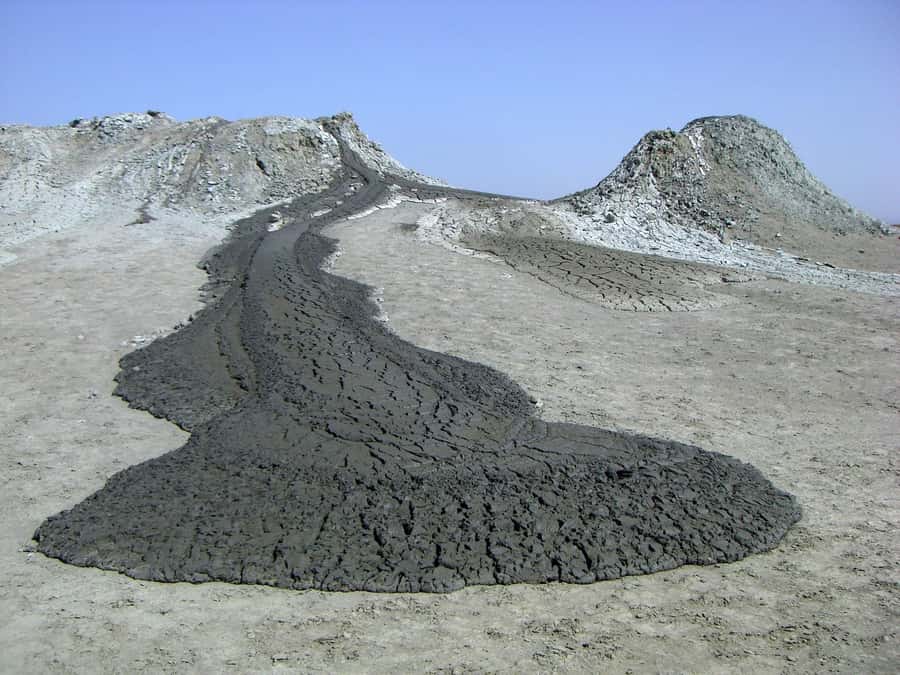
- Active mud volcanoes in the Dashgil Group, a top place in the world for them
Other ways to do the petroglyphs and the bubbling mud
- Baku: Gobustan, Mud Volcano, Fire Mount, Temple Lunch Entry
★ 4.9 · 3,246 reviews - BEST Gobustan, Volcanoes & Absheron Fire Tour (Group or Private)
★ 5.0 · 1,254 reviews - Gobustan and Absheron tour (All inclusive)
★ 5.0 · 1,014 reviews - Baku: Gobustan, Volcanoes, Fire Temple and Yanardag Day Trip
★ 4.7 · 433 reviews
From Baku: pickup, ride comfort, and a realistic 4-hour day
This is built as a fast, practical day trip. You get picked up from your hotel in Baku, then you ride out in a comfortable sedan with an English-speaking professional guide and water included. Expect a smooth door-to-door flow, with the driver holding a sign with your last name and waiting a limited time after pickup.
The biggest thing to understand is the timing. Four hours sounds short, and it is. You will cover Gobustan National Park, hit the museum-focused portions, and then move on to the mud volcano area. If you love to wander slowly and linger in one spot for long stretches, you might feel a bit rushed. If you like structured sightseeing that hits the major beats, this pace is a plus.
Entering Gobustan National Park, where ravines shape the rock art
Gobustan sits in Absheron, not far from Baku, and the park’s terrain helps explain why the place earned its name. It is named for the Azerbaijani word for narrows and ravines, which is exactly what you feel once you are around the craggy rock faces and fissures. The open-air setting matters, because these carvings and paintings are not in a tidy gallery. They are on the land, on the rocks, and they are part of the landscape.
You will visit the open-air museum area featuring more than 6,000 ancient rock paintings and petroglyphs. The site was first discovered in the 1930s, and it is still being excavated today, which is a great reminder that this is not a finished story. It is a living research space.
This is also where you start seeing the real range of what Gobustan has to offer. The tour time is limited, but you still get the core idea: ancient people used these rocks across long stretches of time, leaving scenes that let you compare how life changed.
The rock art story you will actually understand
What I like about this tour is that it does not treat the petroglyphs like random scratches. The guide walks you through how to read the images as cultural snapshots.
You will learn about a prehistoric civilization that thrived here and produced the thousands of images associated with Gobustan, along with ancient dwellings and more than 100,000 artifacts. That number helps you get the scale, because this was not a one-time stop. It looks like an enduring human presence.
The timing aspect is one of the most useful parts. The tour compares the oldest drawings, dating back roughly 20,000 years, with later images from the first century AD. That lets you spot shifts in subjects and style, not just age.
Here are the major themes you should watch for as the guide points things out:
- early images that depict hunting, including mountain goats, and ritual dancing with spears
- later scenes with battle action, collective labor, and harvesting
- figures by the hearth, including women in domestic or daily-life contexts
- boats with oarsmen, which strongly suggest the early occupants were sailors
And then there is the extra twist that makes Gobustan feel connected to bigger regional history: you will locate a Latin inscription at the foot of Mount Boyuk-dash, pointing to the presence of Roman legions near Baku. That kind of detail is memorable because it ties prehistoric life to a later era you might recognize.
Gobustan 3D Bio Museum: 12 rooms that make the park click
The Gobustan 3D Bio Museum is a smart use of time, especially on a half-day itinerary. The open-air area is fascinating, but it can also be visually overwhelming if you do not have context. The museum gives you that context quickly.
You will spend time in the permanent exhibition, which includes 12 rooms. The goal here is not just to look at artifacts. It is to understand why Gobustan matters and how the petroglyphs fit into the broader story of human life in the region.
A big value-add is the 3D cinema experience. Even if you are not a movie person, this is useful because it turns the site into an educational sequence, helping your brain organize what you will see outside afterward.
If you want a practical tip, it is this: let the museum do the heavy lifting before you spend lots of time on the rocks. You will recognize more details and you will stop wondering what you are looking at.
Mud volcanoes at Dashgil: the active side of Gobustan
After the museum and rock art context, you head to see the mud volcanoes. This is where Gobustan turns from archaeology into geology, and the change is a good break in your brain.
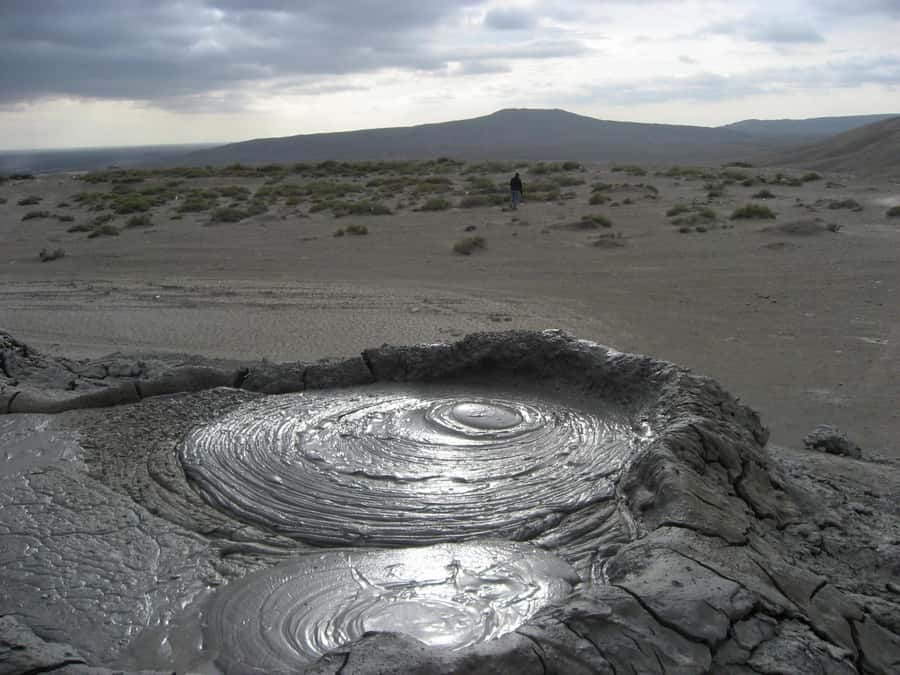
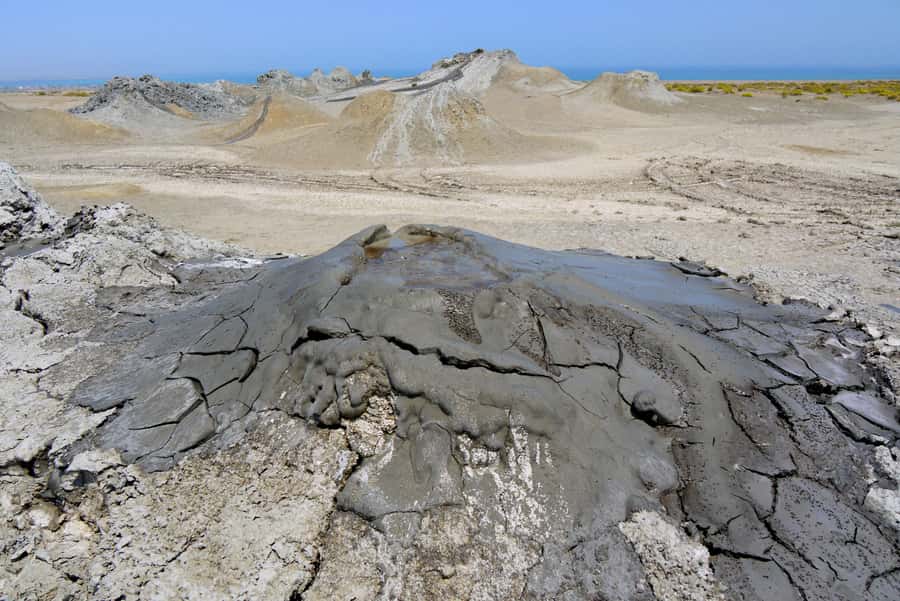
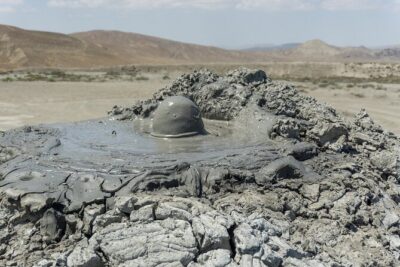
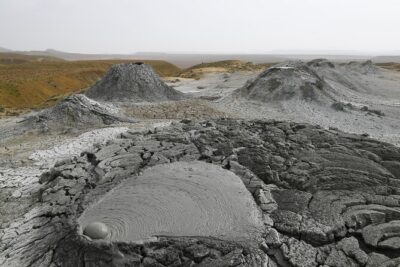
A quick fact that helps you appreciate the scale: Azerbaijan hosts about 350 of the world’s roughly 800 mud volcanoes, which is why people treat this as a top place to see them. You will go to the Dashgil Group, situated to the east of the Gobustan museum, where the concentration of active mud volcanoes is high.
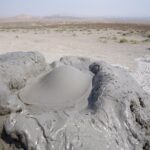
What you will see is a set of active mud volcano formations, not just a single dramatic peak. The experience is visual and slightly eerie in a fun way, because they are active geological features right near the cultural site. It feels like you are watching a living process while you are also seeing traces of ancient life.
One planning note: the tour runs rain or shine, but during bad weather the mud volcano part might be delayed. So if you are visiting in a period of unstable weather, keep your schedule flexible.
How the 4-hour pacing feels on the ground
This is a 4-hour tour, private group, with pickup and drop-off in Baku. That is a lot of content for a half-day, and you should go in with the right expectations.
You will typically follow this flow:
1) depart from your hotel with a guide and water
2) arrive at Gobustan and focus on the open-air rock museum
3) spend time at the 3D Bio Museum and its 12-room exhibition, plus the 3D cinema
4) head out within the park area for the mud volcano viewing
5) return to Baku
Because it is private, you can ask questions and adjust your own pace a bit, but the overall timebox stays the same. The upside is that you do not waste hours. The downside is that you will not get a slow, daylong amble through every rock face.
If you are the type who wants to photograph, ask questions, and still get a clean view of the mud volcano activity, this pacing is a solid match.
Guide quality can make or break this kind of day
The guide is a key part of why this tour tends to score well. In the feedback, people highlight guides like Habil, praised for being well informed and also fun to travel with. Another name that comes up is Karim, noted for being helpful and kind, with a memorable extra effort in one case involving a mud-volcano experience.
Even without personal extras, the core job is straightforward: help you translate carvings into meaning. When the guide does this well, you start noticing details you would otherwise miss, like differences between early and late scenes or why the Roman-era inscription matters.
Also, having a live English guide helps a lot. Gobustan can feel abstract if you read a panel with limited context. With a guide, you can ask quick questions on the spot and keep moving.
What you get for the price, and why it is good value
The price is $58 per person, and the practical value comes from what is included. You get:
- hotel pickup and drop-off in Baku
- a professional English guide
- a comfortable sedan
- water
- skip the ticket line
- private group experience
Entrance fees are not included, so you should budget for that separately. Food is also not included, which is usually fine because this is only 4 hours. Still, if you are arriving hungry, you might want to eat before pickup.
Is $58 high or low? It is middle-of-the-road, but the value feels strong because you are paying for efficient transport plus a guide who connects archaeology and geology in one outing. If you tried to piece this together on your own, you would likely spend more time arranging transport and figuring out what to focus on. Here, you get a coherent route that hits the museum, the rocks, and the mud volcanoes without dragging your day.
What to bring, what to expect, and comfort basics
This is a tour where comfort affects how much you enjoy it.
Bring:
- comfortable shoes. The rock museum and park areas are outdoors, and you will be on uneven ground.
Don’t bring:
- luggage or large bags. They are not allowed, so pack light.
Suitability matters too. This tour is not suitable for pregnant women, people with back problems, people with heart problems, and wheelchair users. If any of those apply, you should skip this option and look for something more accessible.
It runs rain or shine. So even if the weather looks questionable, the plan continues. Just understand that mud volcano timing can slip during bad conditions.
Should you book this Gobustan and mud volcano day tour?
I would book it if you want a focused Baku-area day trip that covers both the famous rock art and the active mud volcano scene without stress. It is especially worth it if you like learning what you are seeing, not just checking off an attraction.
I would think twice if:
- you hate tight schedules and prefer long, slow museum time
- you have mobility or health concerns that make outdoor walking and uneven surfaces difficult
- you are visiting during a weather period that could be rough, since the mud volcano portion can be delayed
If your goal is a memorable snapshot of Azerbaijan, with enough context to make the petroglyphs meaningful, this is a strong bet. The combination of open-air Gobustan plus the 3D Bio Museum plus active mud volcanoes gives you variety in one compact route, and that is a rare kind of value.
FAQ
How long is the Gobustan day tour from Baku?
The tour lasts about 4 hours.
Do you get hotel pickup and drop-off in Baku?
Yes. Hotel pickup and drop-off are included, and pickup is available from all hotels and apartments located in Baku.
Is food included on the tour?
No. Food is not included.
Is the entrance fee included?
No. Entrance fees are not included.
What language is the guide?
The guide is available in English.
Does the tour run in bad weather?
It runs rain or shine. During bad weather conditions, the mud volcano portion might be delayed.
More Azerbaijan Trips We Reviewed
The Rest of Our Azerbaijan Reviews

Gobustan, Three More Ways
More of Azerbaijan we have been out and written up
- The Magnificent Baku Night Tour★ 5.0 · 3 reviews
- Small-Group Day Trip to Gobustan, Mud Volcanoes, Ateshgah & Yanar Dagh★ 4.5 · 3 reviews
- Private Sheki Tour – Four Regions of Azerbaijan in one day★ 5.0 · 3 reviews
- Full Day Guided Tour of Shamakhi and Gabala★ 5.0 · 3 reviews
- Qobustan Absheron Full Day Tour★ 5.0 · 3 reviews
Gobustan Rock Art & Mud Volcanoes, compared.
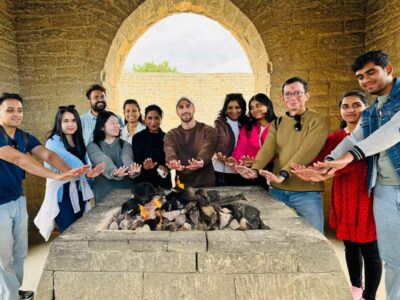 ★ 4.9Gobustan, Mud Volcano, Fire Mount, Temple Lunch EntryFrom $63,246 reviews
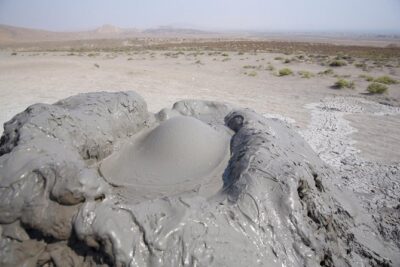 ★ 5.0BEST Gobustan, Volcanoes & Absheron Fire Tour (Group or Private)From $331,254 reviews
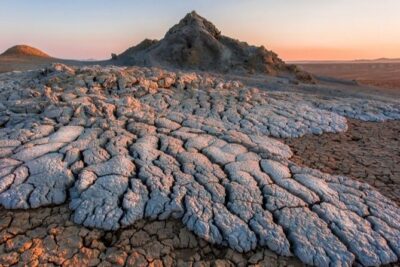 ★ 5.0Gobustan and Absheron tour (All inclusive)From $851,014 reviews
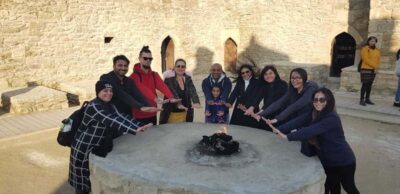 ★ 4.7Gobustan, Volcanoes, Fire Temple and Yanardag Day TripFrom $29433 reviews
 ★ 4.5Gobustan & Mud, Fire Temple, Burning Mountain (Group & Private)From $10418 reviews
 ★ 4.9Gobustan Absheron Tour Entry Tickets includedFrom $6329 reviews
 ★ 5.0Gobustan-Mud Volcan-Fire Temple and Mountain Tour/Entrance incFrom $30267 reviews
 ★ 4.8Gobustan Mud Volcanoes Temple & Entry tickets includedFrom $9178 reviews
Browse the lists this tour appears in