
REVIEW · GOBUSTAN ROCK ART & MUD VOLCANOES
From Baku: Yanar Dag, Gobustan and Absheron Day Trip
Gobustan has a way of making time feel close. This Absheron day trip strings together UNESCO rock art, active mud volcanoes, and two famous flame sites, Ateshgah Fire Temple and Yanar Dag. I like how it’s not just a quick photo stop, you get enough structure to actually understand what you’re seeing.
Two things I really like: the concentration of ancient carvings in Gobustan National Park and the surreal gas flames at Yanar Dag. One thing to plan for is the money split, the tour price is low, but park, temple, and burning mountain tickets are paid separately, and the mud volcano ride needs cash.
UNESCO focus in Gobustan: Ancient petroglyphs and rock carvings in one national park stop.
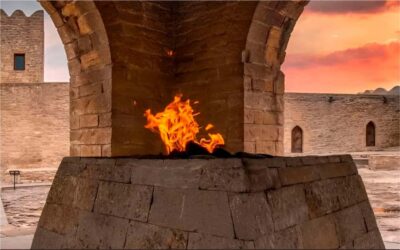
Ateshgah Fire Temple visit: A dedicated fire-site on the Absheron Peninsula.
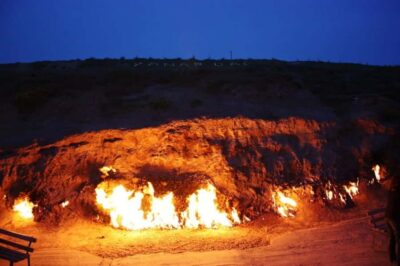
Yanar Dag Burning Mountain: Natural flames rising from the ground.
Mud volcano logistics: You may need an extra off-road car ride fee (paid in cash).
Guide-led pacing: Multiple stops kept on schedule by an English or Russian-speaking guide.
In This Review
- Why Gobustan and Absheron is such a smart day trip from Baku
- Price and logistics, where the $5 really goes
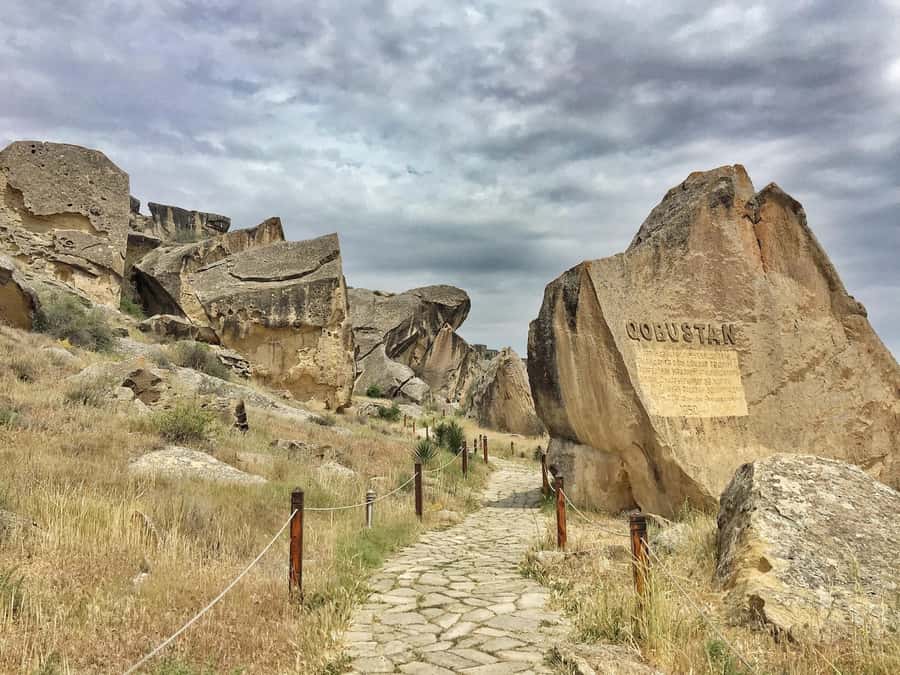
- Gobustan National Park: rock art that keeps your attention
- Mud volcanoes and the 30 AZN off-road ride
- Ateshgah Fire Temple: a fire site tied to belief and fuel
- Yanar Dag Burning Mountain: the flames are the whole point
- How the guide shapes the day, from Murad to Yusif
- What to bring and how to pay without stress
- When weather changes the plan
- Who this tour suits best, and who should reconsider
- Should you book this Gobustan and Absheron day trip?
- FAQ
- What is included in the day trip?
- Are entrance tickets included in the price?
- How much is the entrance fee for Gobustan Rock Arts?
- How much does the mud volcano off-road ride cost?
- What is the fee for Ateshgah and Yanardagh?
- What happens if it rains?
Why Gobustan and Absheron is such a smart day trip from Baku
This is a Baku day trip that actually feels like a “route,” not a grab-bag of far-apart sights. You start with Gobustan National Park, where ancient rock art and natural geological activity share the same ground. Then you move to the Absheron Peninsula, where the story shifts from early humans to a place that has long been associated with fire and gas.
I like tours like this for one simple reason: you get contrasts in a single day. Gobustan gives you human marks on stone, while the mud volcanoes and Yanar Dag give you the earth working in real time. If you enjoy history but also like a sense of place that feels physical, this day hits that balance well.
You should also know this is ideal for people who enjoy clear explanations. The sites here are not just “look at this,” they ask you to connect details, like what you’re seeing on the rocks and why the fire-related landmarks became important.
Other ways to do the petroglyphs and the bubbling mud
- Baku: Gobustan, Mud Volcano, Fire Mount, Temple Lunch Entry
★ 4.9 · 3,246 reviews - BEST Gobustan, Volcanoes & Absheron Fire Tour (Group or Private)
★ 5.0 · 1,254 reviews - Gobustan and Absheron tour (All inclusive)
★ 5.0 · 1,014 reviews - Baku: Gobustan, Volcanoes, Fire Temple and Yanardag Day Trip
★ 4.7 · 433 reviews
Price and logistics, where the $5 really goes
The headline price is $5 per person. That sounds almost too good, and it’s partly true, because the tour cost mainly covers the air-conditioned vehicle and a professional English or Russian speaking guide.
The practical catch is extras. Entrance fees are not bundled in automatically, and some parts require separate payment. Here’s how the costs break down using the amounts you’re given:
- Gobustan Rock Arts: 10 AZN (optional)
- Mud volcano off-road cars: 30 AZN per person (cash, mandatory for the ride up)
- Ateshgah Fire Temple and Yanardagh (Yanar Dag): 15 AZN (optional)
So the tour can be very budget-friendly, as long as you plan for those site fees. The mud volcano off-road car fee is the one you can’t skip, and it’s specifically cash. If you show up with only a card, you’ll still be able to pay some things, but the mud volcano logistics can slow you down.
Net value check: if you want both the ancient carvings and the flame sites, this still offers strong value because you’re getting guided transport across multiple Absheron and Gobustan stops in a single day. If you only care about one small portion, you might find a more targeted plan costs less overall.
Gobustan National Park: rock art that keeps your attention
Gobustan National Park is the kind of place where you start to notice details fast, and the guide’s role matters. You’re looking at ancient rock carvings and petroglyphs, and you’re also in the same broader area where mud volcano activity happens. That combination is part of what makes the area so compelling.
The rock art aspect is optional in terms of paid entry. You can pay 10 AZN for Gobustan Rock Arts, and if you didn’t select entry ticket options in advance, you’d be responsible for purchasing tickets on site.
What I like about this stop is the way it rewards patience. It’s easy to rush and take photos of a few obvious carvings. But the site is full of marks, and the real payoff comes when you stop thinking of it as one “picture” and start treating it like a whole wall of evidence. You’ll get more from it if you listen for the guide’s explanations before you start walking.
Also consider timing inside the park. This day trip includes multiple major sites, so if your goal is deep reading, you may want to keep your pace relaxed but not slow down the group too much. The general theme from the experience is that the guide keeps you moving with time allocated to each place.
Mud volcanoes and the 30 AZN off-road ride
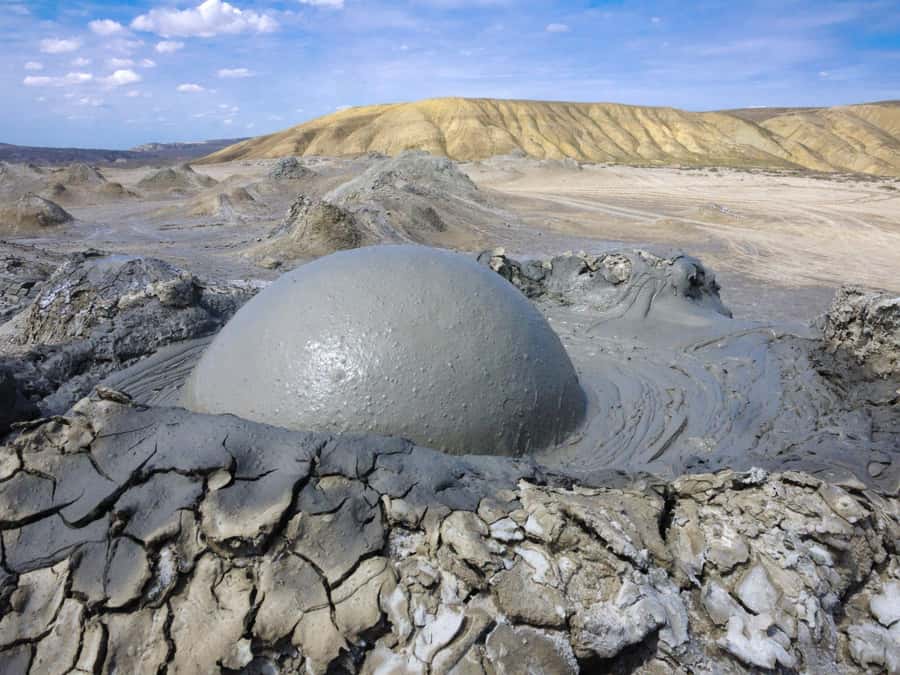
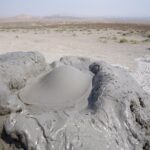
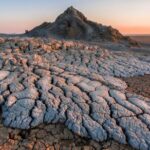
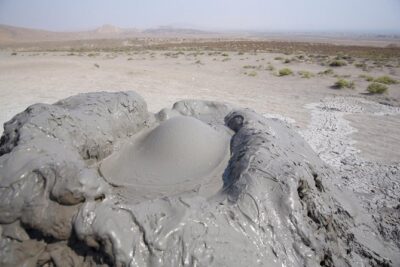
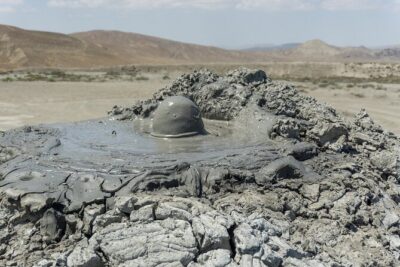
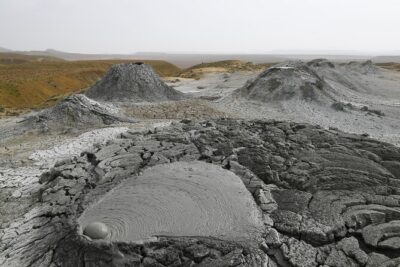
Mud volcanoes are not a “sit and stare” attraction. They’re active, unusual, and they involve getting closer to the ground where the phenomenon happens. That’s why the tour includes a specific practical note: going up to the mud volcanoes involves off-road cars, and it costs 30 AZN per person.
This 30 AZN fee is mandatory for the ride and is collected at the start to avoid delays. You should treat this like a priority cash expense. Even if you pay other things with a credit card, this one is cash, so bring enough.
Here’s the other useful detail: if it rains, the plan can shift so you go to the Mud Volcanoes complex, and the 30 AZN cash payment for the off-road ride is still the same. Rain changes comfort levels, not the fact that you’ll need that ride.
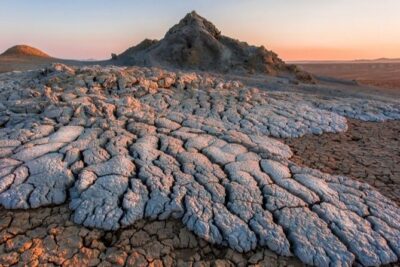
Potential drawback to consider: mud volcano areas can feel rough and uneven underfoot. If you’re someone who prefers smooth paths and strict comfort, you might find the terrain less forgiving than the rock art viewing zones. That doesn’t mean you should skip it, just plan for practical footwear and slower steps.
Ateshgah Fire Temple: a fire site tied to belief and fuel
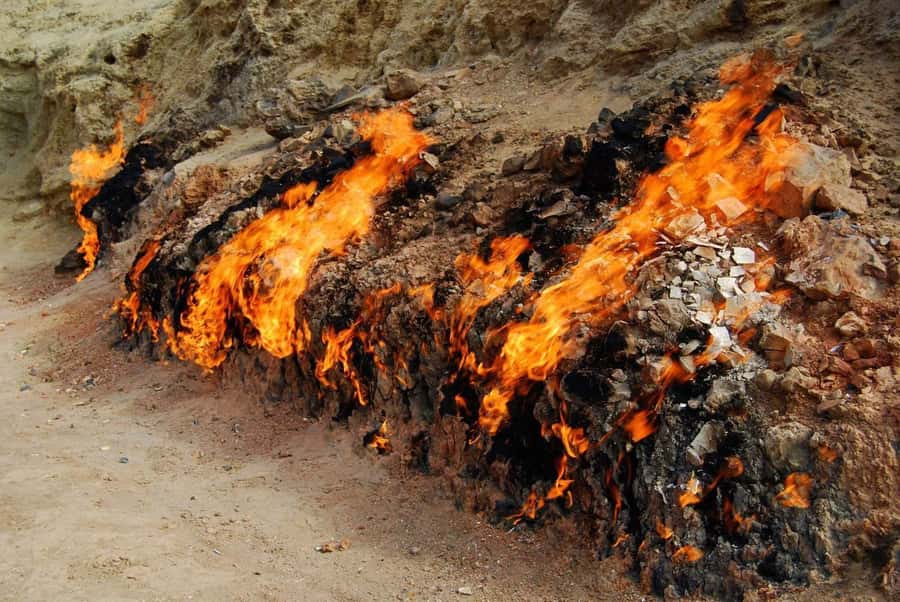
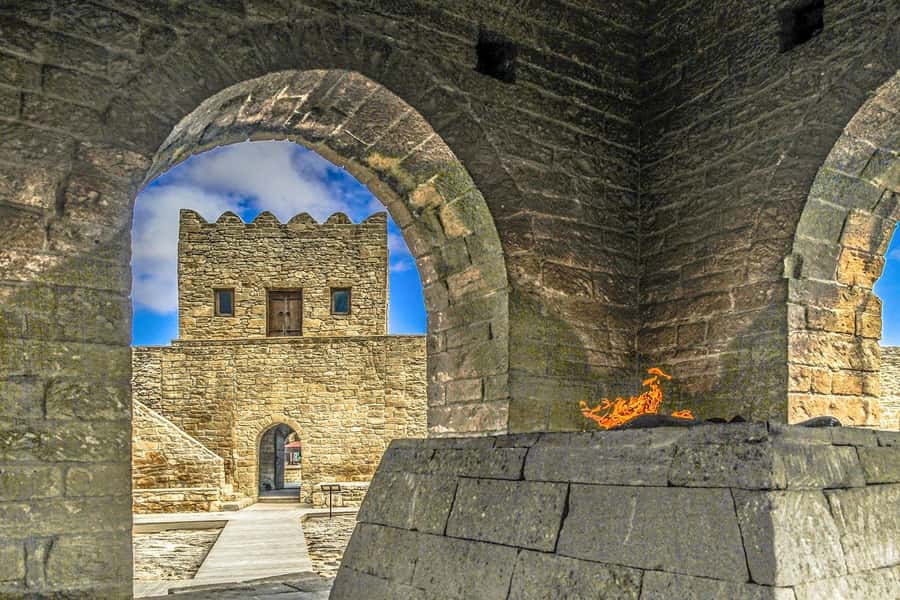
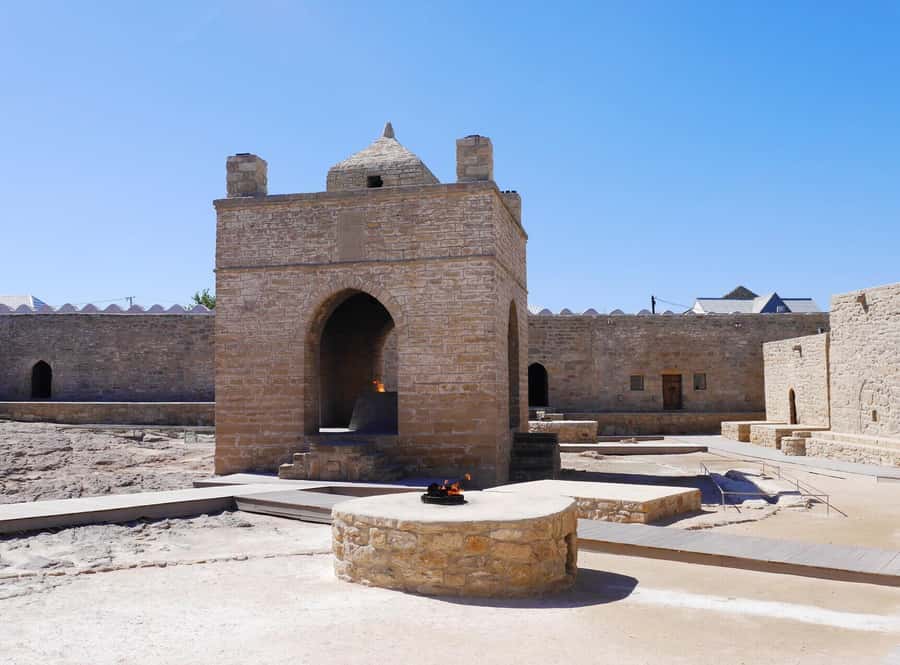
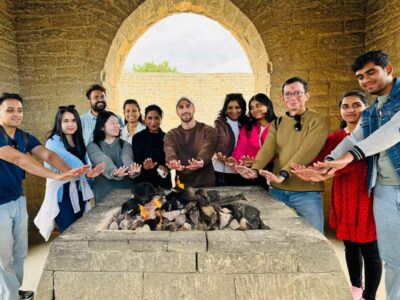
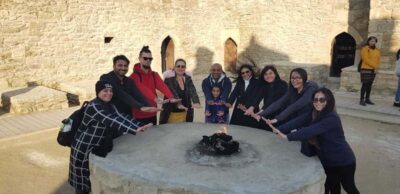
After Gobustan, the Absheron Peninsula brings a completely different vibe. The highlight here is the historic Ateshgah Fire Temple, also known as the Fire Temple. This is the place connected to the idea that natural gas can burn where it rises.
The entrance fee for Ateshgah and Yanardagh is listed as 15 AZN for Ateshgah and Yanardagh combined, and it’s optional. If you didn’t select entry ticket options, you’d handle the payment separately.
What I like about this stop is the way it gives meaning to the region’s natural forces. In most places, fire is just a man-made thing. Here, it’s presented as something people built a spiritual and cultural focus around, because the fuel seemed to come from the earth.
The practical move is to pay attention to how the guide frames the temple. Even if you’re not a religious history person, it helps to understand why this site is tied to the gas phenomenon. It changes your view from “wow, a historic building” to “I get why this place mattered.”
Also, if you’re traveling with a mix of interests, this is a good middle stop. You get cultural landmark time, but you’re not stuck in only museum mode. It links directly to the next stop, where you’ll see flames coming from the ground.
The fire sights, run by other operators
Yanar Dag Burning Mountain: the flames are the whole point
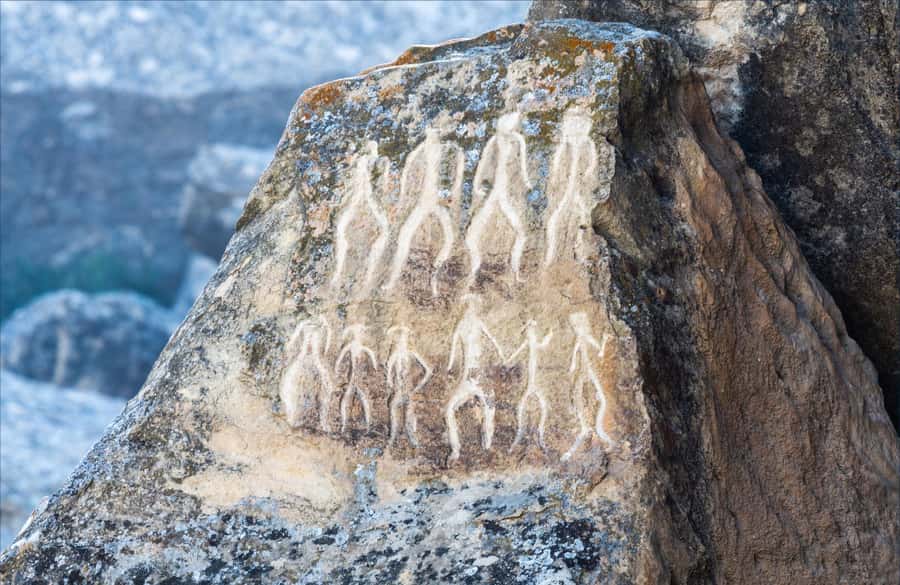
Then you go to Yanar Dag, also called Burning Mountain. This is one of those places where you don’t need complicated interpretation, because the spectacle is the gas flames rising from the ground.
The entrance fee for Ateshgah and Yanardagh is 15 AZN optional, and you pay it separately if your booking option doesn’t include entry. Plan to handle it that day.
If you care about photos, bring your patience. Flame-related sights can look good fast, but getting the best angle often means waiting for the moment when you can see the fire clearly. I recommend watching first, then photographing after. You’ll notice more in real time if you don’t turn it into a constant phone session.
One practical note: you’ll be on a route where you’ve already had rock art and mud volcano terrain. Save your energy for this last big impact moment. If you arrive tired, you might miss the simplest part, the way the flames make the earth feel alive.
How the guide shapes the day, from Murad to Yusif
This is a guide-led day trip, and the quality shows in the details. In the feedback you hear about this experience, the biggest compliment is consistency: the day feels well organized, and the guide keeps each place within the time given.
Names that come up: Murad and Yusif. Murad is described as warm, funny, and the kind of person who makes the trip feel like a journey. Yusif is described as nice and informative. Even if you don’t get those guides, the key takeaway is what their approach seems to represent: explain as you go, then keep the group on track.
That matters because these are not simple “one stop” attractions. You have to switch mental gears quickly, from ancient carving details to geological weirdness to fire temple context to flame viewing. A guide who manages pacing helps you enjoy all four without feeling like you’re sprinting.
Also, if you speak English or Russian, you’re covered. The tour lists English or Russian speaking guides, so you can choose your comfort language when booking.
What to bring and how to pay without stress
This is where you can win your own day. The tour is clear about what you should carry: you need cash and a credit card.
- Cash is essential for the mud volcano off-road cars fee: 30 AZN per person.
- Cash or card can be useful for other optional entrance tickets, depending on how you’ve chosen to pay in advance, but the tour notes that these site entries must be paid separately.
You’re also told what not to bring: alcohol and drugs are not allowed. That’s a standard rule, but it’s worth taking seriously so you don’t get caught up in a preventable problem.
Practical pro-tip: bring smaller notes of AZN if possible. Paying a fixed fee quickly at the start of the mud volcano part keeps the day smooth. If you’re trying to find the exact amount in the moment, it can slow everything down.
And yes, lunch isn’t included. So treat your day like a long outing and plan food in a way that matches your schedule. If the group stops for food during the route, it’s on you to check costs and have cash handy.
When weather changes the plan
Bad weather can spoil a nature-heavy day trip. Here’s how this one handles it: if it rains, the plan includes going to the Mud Volcanoes complex, and the 30 AZN cash payment for the off-road ride still applies.
So your main takeaway is not “avoid rain,” it’s “expect a route adjustment but keep the mud volcano fee ready.” With the earth sites, rain can make paths muddy and viewing less comfortable, but the tour still aims to deliver the key highlights.
If rain is in the forecast, wear shoes you don’t mind getting dirty. Also bring a layer, because a day trip can mean changing temperatures between the park and the peninsula.
Who this tour suits best, and who should reconsider
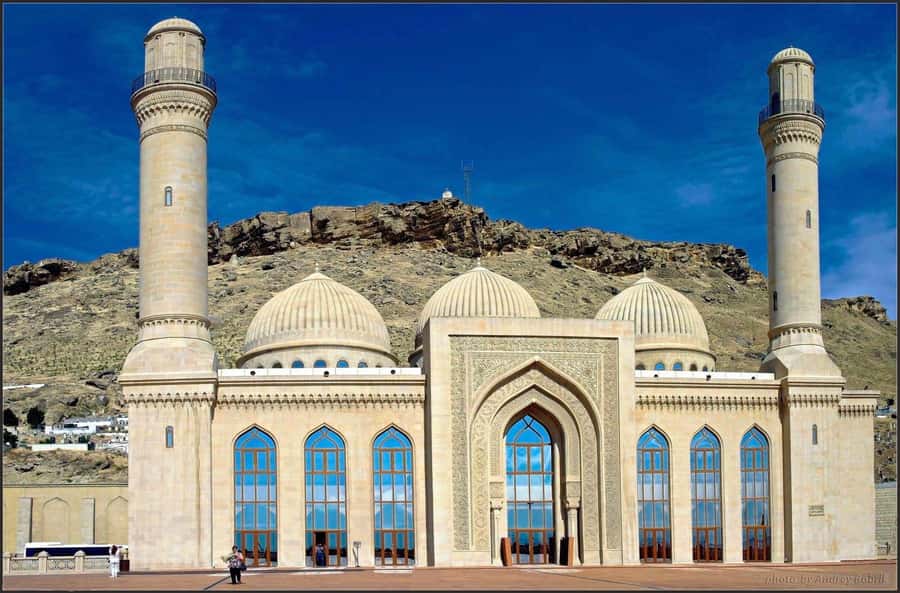
This tour is best for people who like variety and want structure. I’d point you here if you enjoy:
- Ancient history you can see with your own eyes, especially rock art and petroglyphs
- Natural phenomena, especially mud volcanoes and flame effects
- A day that mixes culture and nature without needing separate bookings
It may not be the best fit if your ideal day is slow and minimal. The route includes multiple major landmarks, and you’ll be moving through them within the same day. If you want one site only, you might feel rushed.
It’s also not ideal if you hate uneven terrain. The mud volcano visit includes the off-road car approach, and the ground near natural features can be rough. You don’t need “adventure gear,” but you do need basic comfort with walking and changing conditions.
Should you book this Gobustan and Absheron day trip?
If you’re looking for value, this is a strong choice. The $5 tour price is mostly for transport plus a professional guide, and you then pay site fees on top. When you want Gobustan, Ateshgah, and Yanar Dag all in one day, it’s an efficient way to cover a lot without planning multiple transfers.
I’d book it if you:
- Want both ancient rock carvings and a dramatic natural fire effect
- Can handle separate ticket payments and you’re okay bringing cash
- Like guided pacing, so the day doesn’t turn into a chaotic route scramble
I’d think twice if you:
- Only care about one or two stops, since entrance fees add up quickly
- Dislike muddy terrain and the idea of an off-road ride
Bottom line: this is a well-structured day trip that earns its highlights. With a bit of cash planning and flexible expectations for weather, you’ll get a memorable combo of ancient marks on stone and flames that feel like they’re coming from the earth itself.
FAQ
What is included in the day trip?
The tour includes an air-conditioned vehicle and a professional English or Russian speaking tour guide.
Are entrance tickets included in the price?
No. Entry tickets for Gobustan National Park, the Fire Temple, and Burning Mountain must be paid separately.
How much is the entrance fee for Gobustan Rock Arts?
Gobustan Rock Arts is 10 AZN, and it is listed as optional.
How much does the mud volcano off-road ride cost?
A 30 AZN cash fee per person is mandatory for the off-road car ride to the mud volcanoes. It is collected at the start.
What is the fee for Ateshgah and Yanardagh?
The entrance fee listed is 15 AZN for Ateshgah and Yanardagh, and it is optional.
What happens if it rains?
If it rains, the plan will include going to the Mud Volcanoes complex, and the 30 AZN cash payment for the off-road ride remains the same.
The Rest of Our Azerbaijan Reviews

Ateshgah and Yanar Dag, Keep Reading
Gobustan, Three More Ways
More of Azerbaijan we have been out and written up
- The Magnificent Baku Night Tour★ 5.0 · 3 reviews
- Small-Group Day Trip to Gobustan, Mud Volcanoes, Ateshgah & Yanar Dagh★ 4.5 · 3 reviews
- Private Sheki Tour – Four Regions of Azerbaijan in one day★ 5.0 · 3 reviews
- Full Day Guided Tour of Shamakhi and Gabala★ 5.0 · 3 reviews
- Qobustan Absheron Full Day Tour★ 5.0 · 3 reviews
Gobustan Rock Art & Mud Volcanoes, compared.
 ★ 4.9Gobustan, Mud Volcano, Fire Mount, Temple Lunch EntryFrom $63,246 reviews
 ★ 5.0BEST Gobustan, Volcanoes & Absheron Fire Tour (Group or Private)From $331,254 reviews
 ★ 5.0Gobustan and Absheron tour (All inclusive)From $851,014 reviews
 ★ 4.7Gobustan, Volcanoes, Fire Temple and Yanardag Day TripFrom $29433 reviews
 ★ 4.5Gobustan & Mud, Fire Temple, Burning Mountain (Group & Private)From $10418 reviews
 ★ 4.9Gobustan Absheron Tour Entry Tickets includedFrom $6329 reviews
 ★ 5.0Gobustan-Mud Volcan-Fire Temple and Mountain Tour/Entrance incFrom $30267 reviews
 ★ 4.8Gobustan Mud Volcanoes Temple & Entry tickets includedFrom $9178 reviews
Browse the lists this tour appears in