
REVIEW · GOBUSTAN ROCK ART & MUD VOLCANOES
Gobustan and Fire temple Tour with Polish speaking guide
Gas flames, ancient rock art, and mud volcanoes. This Polish speaking Absheron tour strings together geology, archaeology, and sacred architecture in one smooth day trip.
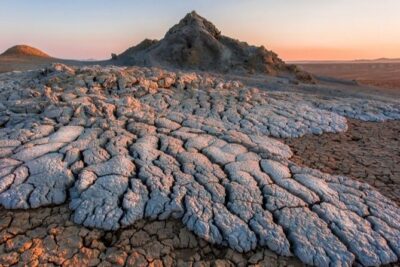
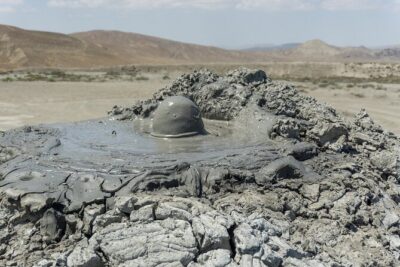
I love how the Gobustan mud volcanoes look almost unreal, bubbling and oozing like the earth is doing its own show. I also really like the stop at Bibiheybat Mosque, because the building details make the culture feel real, not museum-flat.
One thing to plan for is that entry tickets are extra, and the day packs several paid sites into a single route.
In This Review
- Key Highlights
- Absheron in One Day: How This Tour Fits a Lot In
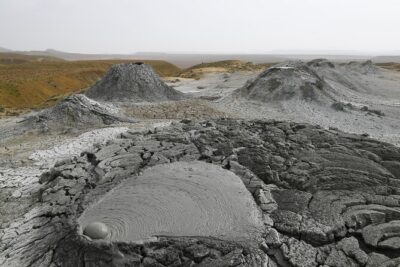
- Gobustan Mud Volcanoes: Earth Gas With a Strange Sense of Humor
- Gobustan Rock Arts: Why Petroglyphs Feel Personal
- Bibiheybat Mosque: A Calm Cultural Pause in the Middle of the Day
- Ateshgah Fire Temple: Natural Flames and a Multi-Faith Past
- Yanardagh Burning Mountain: The Fire That Keeps Going
- The First Drilled Oil Well: Where Modern Industry Starts to Make Sense
- Heydar Aliyev Center Photo Stop: Modern Baku at the End
- Price and Value: What $65 Really Means
- Polish Speaking Guide: How to Get the Most Out of the Day
- Who Should Book This Tour, and Who Might Feel Crowded
- Quick Tips So the Day Feels Smooth
- Should You Book This Gobustan and Fire Temple Tour?
- FAQ
- Are entry tickets included in the $65 price?
- How much are the entry tickets if I do not select the entry ticket option?
- Which sites are visited on the tour?
- Is hotel pickup and drop-off included?
- What guide language is available?
- Does the tour include water?
- Is Heydar Aliyev Center entered, or is it only for photos?
- Can I reserve now and pay later?
- What is the cancellation policy?
Key Highlights
- Gobustan Mud Volcanoes: A surreal field where the ground bubbles and seeps.
- Gobustan Rock Arts: Petroglyphs that connect you to early human life in the region.
- Bibiheybat Mosque: A chance to appreciate Azerbaijan’s religious architecture up close.
- Ateshgah Fire Temple: Natural gas flames used by Zoroastrians, Hindus, and Sikhs.
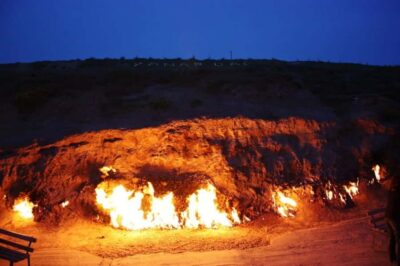
- Yanardagh Burning Mountain: A hillside fire that keeps burning from natural gas.
- Heydar Aliyev Center: Final photo stop, with groups not going inside due to time limits.
Other ways to do the petroglyphs and the bubbling mud
- Baku: Gobustan, Mud Volcano, Fire Mount, Temple Lunch Entry
★ 4.9 · 3,246 reviews - BEST Gobustan, Volcanoes & Absheron Fire Tour (Group or Private)
★ 5.0 · 1,254 reviews - Gobustan and Absheron tour (All inclusive)
★ 5.0 · 1,014 reviews - Baku: Gobustan, Volcanoes, Fire Temple and Yanardag Day Trip
★ 4.7 · 433 reviews
Absheron in One Day: How This Tour Fits a Lot In
This is the kind of trip you take when you want variety without making ten separate plans. You start in Baku area, then head out toward Gobustan for natural wonders, and later bounce into Absheron’s spiritual sites and iconic Baku landmarks.
The day feels built for first-timers. You get a clear order to the places: earth wonders first, then ancient human traces, then religious architecture, then fire, then oil, and finally a modern Baku photo moment.
The real win is that you have a guide giving context as you move. When you’re standing in front of petroglyphs or watching flames that burn for a reason, the stories help you see what you’re looking at.
Gobustan Mud Volcanoes: Earth Gas With a Strange Sense of Humor
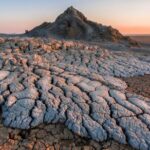
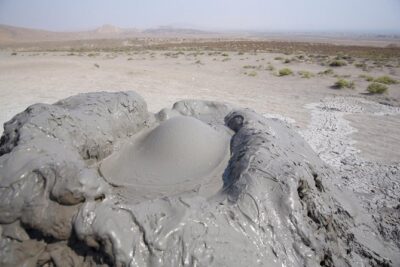
Gobustan’s mud volcanoes are the headline for a reason. Instead of a normal crater, you see ground that seems alive, with bubbling and oozing that draws your eyes nonstop.
What I like here is the lack of over-complication. You do not need special equipment. You stand in the middle of the phenomenon and let your brain catch up to what your eyes are seeing.
Also, these are outdoors, so you should expect walking in open areas. If the weather is hot or bright, you’ll want a hat and sun protection, even though the tour includes water.
Gobustan Rock Arts: Why Petroglyphs Feel Personal
After the mud volcanoes, the rock art stops change the pace in a good way. Gobustan’s petroglyphs are small in scale, but they carry big weight because they represent how early people observed life and made meaning from their world.
Here’s the trick for enjoying rock art: slow down and look for patterns. Figures, hunting scenes, symbols, and repeated motifs are often easier to understand when you let your eyes search first, then let the guide connect the dots.
This portion is valuable because it gives you a bridge between nature and people. You’re not just visiting weird geology. You’re seeing how humans lived in the same wider region and left marks that still read like messages.
Bibiheybat Mosque: A Calm Cultural Pause in the Middle of the Day
Bibiheybat Mosque is where the tour shifts from the raw outdoors to architectural storytelling. The mosque’s design and details give you a break from the “look at the weird thing” mode and pull you back into how Azerbaijan’s culture expresses itself through sacred spaces.
Even without getting lost in technical terms, I find mosque visits work best when you treat them like a guided visual walk. Notice structure, symmetry, and the way the building frames light and shadow.
If you’re the type who likes a mix of stops, this mosque time is a nice reset. It also helps you make sense of the later fire sites, because it situates you in the same general theme: religion and identity.
The fire sights, run by other operators
Ateshgah Fire Temple: Natural Flames and a Multi-Faith Past
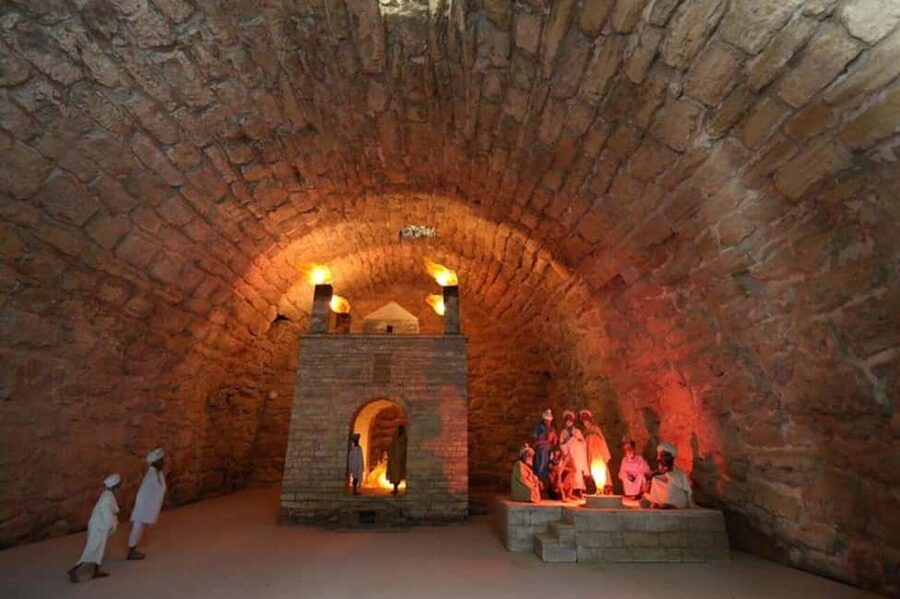
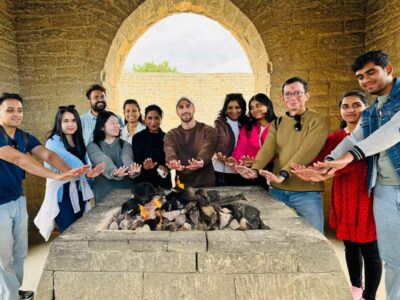
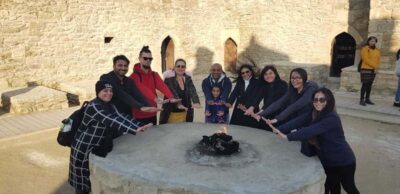
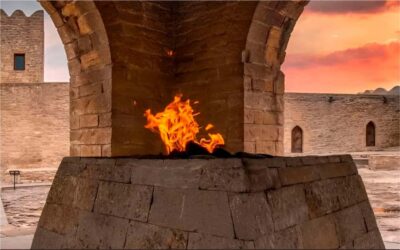
Then comes the Fire Temple of Baku, Ateshgah. The key detail is that the flames are fueled by natural gas, so the fire is not a show. It’s a continuing feature of the site, and that makes the whole experience feel more grounded.
Ateshgah is also special because it is linked to more than one faith tradition. Zoroastrians, Hindus, and Sikhs all used this site, and the mix helps explain why this kind of fire symbolism mattered across different communities.
I like this stop because it turns a word like fire into a history lesson you can actually see. The flames are the object, but the meaning is the lesson, and the guide’s stories matter a lot here.
Practical note: this is another stop where timing and crowd flow can be tight. If you want longer photo time, plan to move quickly when you’re near the best viewpoints.
Yanardagh Burning Mountain: The Fire That Keeps Going
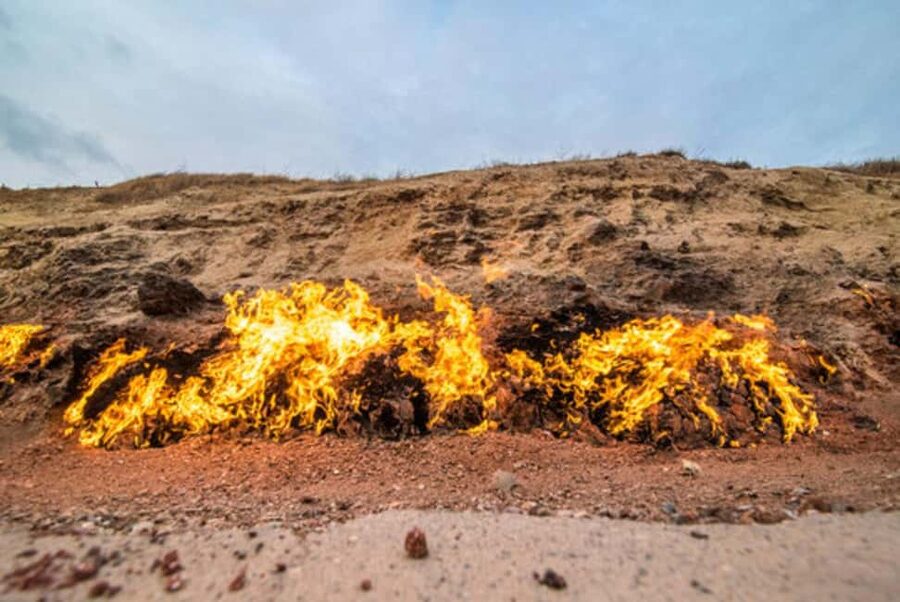
Next is Yanardagh, the Burning Mountain. The idea is simple and powerful: there is natural gas fire burning continuously on a hillside, so you get a sustained view rather than a brief performance.
This site is easy to enjoy because it’s visually obvious. You see flame, you understand the basic explanation, and you can watch the way people react, including kids and adults who suddenly start pointing like it’s a nature documentary.
If you care about “why does this happen,” this is the moment the tour earns its keep. The guide’s context helps you understand the logic behind the flame and why locals have talked about it for centuries.
And yes, it’s also another outdoor stop, so dress for the day, not for comfort in a theater.
The First Drilled Oil Well: Where Modern Industry Starts to Make Sense
One stop that people often forget to plan for is the oil history element, but it fits the day perfectly. You visit the site tied to Azerbaijan’s first drilled oil well, a major turning point in the oil industry story.
Why this matters is that it explains why Azerbaijan became so tied to energy narratives. After mud volcanoes and burning mountains, oil adds an extra layer: it connects the region’s natural gas and petroleum story to the industrial age.
Even if you are not a history fanatic, the oil well site helps you see the big picture. The tour stops are not random. They echo each other through earth, energy, and how humans responded to resources.
Heydar Aliyev Center Photo Stop: Modern Baku at the End
The day finishes with a visit to the Heydar Aliyev Center as a sightseeing and photo point. It is positioned as the last stop, and groups do not enter inside due to time limitations.
Think of this as the modern punctuation mark. After older places, fire sites, and geology, you end with a contemporary landmark where the architecture gives you a different angle on Baku.
If you like taking photos and want a clean, organized end point, this works well. If you hoped for an interior visit, you may feel slightly cut short, but the tour is upfront that time limits shape the schedule.
Price and Value: What $65 Really Means
At $65 per person, this tour is priced like a smart day-trip deal in Azerbaijan. Most of what you pay supports transportation, a guide, and the structure of visiting multiple sites without having to coordinate everything yourself.
Your listed inclusions include:
- hotel pickup and drop-off
- round trip transportation
- a Polish speaking guide (listed as multilingual support)
- a bottle of water
Entry tickets are not included. The important part is the cost is clearly laid out:
- If you do not select the entry ticket option, entry tickets are priced at 30 AZN total.
- That total breaks down as 15 AZN for Gobustan rock arts and mud volcanoes, and 15 AZN for Ateshgah and Yanardagh.
- Gobustan National Park, Fire Temple, and Burning Mountain require extra payment.
So the real value equation is:
- $65 for the guided day and logistics
- plus about 30 AZN if you handle entry on-site via the standard pricing
If you hate surprise fees, this is still fairly manageable because the amounts are stated. Just budget for it so your day stays stress-free.
Polish Speaking Guide: How to Get the Most Out of the Day
The tour is Polish speaking, which matters for how you experience the explanations. A guide is the difference between seeing places and understanding them, especially with rock art and fire traditions where context turns “cool images” into “aha moments.”
If you speak Polish, you’ll likely enjoy the day more than you expected, because the timing between stops becomes less frustrating. You’ll also pick up stories faster, which helps you enjoy photo time without feeling lost.
If you do not speak Polish, plan to rely on whatever multilingual support is available with the guide. It’s listed as multilingual, but the tour language is clearly Polish, so check your comfort level before you go.
Who Should Book This Tour, and Who Might Feel Crowded
This tour fits best if you want a focused day with a clear route and you enjoy mixing themes. It’s a great match for people who like:
- natural oddities (mud volcanoes)
- archaeology without heavy academic prep (rock arts)
- sacred architecture plus fire sites (Bibiheybat Mosque, Ateshgah, Yanardagh)
- a practical slice of Azerbaijan’s energy story (first drilled oil well)
It may feel less ideal if you prefer one type of experience per day. For example, if you want only geology, you might find the historical and religious stops distract you. If you want deep time at each site, note the schedule includes several places, including a photo-only end stop.
Quick Tips So the Day Feels Smooth
Because you’ll be outside at multiple points, I suggest you dress for walking and sun exposure. The tour gives you water, but you’ll still want to manage your own comfort.
Also, keep your camera ready for the mud volcanoes, the rock arts viewpoint, and both fire sites. The flames at Ateshgah and Yanardagh are the kind of thing you keep trying to photograph, because the visuals look different depending on angle and distance.
Finally, go with a flexible mindset. This is a guided day plan. You’ll enjoy it most if you treat it as a well-paced introduction rather than a slow, self-guided expedition.
Should You Book This Gobustan and Fire Temple Tour?
If you want one organized day that covers Gobustan mud volcanoes, ancient rock art, Bibiheybat Mosque, fire traditions at Ateshgah and Yanardagh, plus oil history, this is an excellent booking choice. The pricing is fair for the transport and guide, and the entry ticket situation is clearly stated so you can budget.
I’d especially recommend it if you like variety and want context, not just snapshots. And if you do book it, pay attention to the extra entry costs, since those are required at the park and fire sites and they shape the overall value.
If you tell me your travel dates and whether you speak Polish or prefer English-style explanations, I can help you decide if this one is the right fit for your style.
FAQ
Are entry tickets included in the $65 price?
No. Entry tickets are not included, and Gobustan National Park, Fire Temple, and Burning Mountain must be paid as an extra.
How much are the entry tickets if I do not select the entry ticket option?
The tickets are priced at 30 AZN total if you do not select the entry ticket option, which includes 15 AZN for Gobustan rock arts and mud volcanoes, and 15 AZN for Ateshgah and Yanardagh.
Which sites are visited on the tour?
The tour includes Gobustan Mud Volcanoes, Gobustan rock art, Bibiheybat Mosque, the site of the world’s first drilled oil well, Ateshgah Fire Temple, Yanardagh Burning Mountain, and a sightseeing and photo stop at Heydar Aliyev Center.
Is hotel pickup and drop-off included?
Yes. Hotel pickup and drop-off are included, plus roundtrip transportation.
What guide language is available?
The tour is offered with a Polish speaking guide. The inclusions also mention a multilingual guide.
Does the tour include water?
Yes. A bottle of water is included.
Is Heydar Aliyev Center entered, or is it only for photos?
It is visited as a sightseeing and photo point. Groups do not enter inside due to time limitations.
Can I reserve now and pay later?
Yes. There is a reserve & pay later option, where you can book your spot and pay nothing today.
What is the cancellation policy?
You can cancel up to 24 hours in advance for a full refund.
The Rest of Our Azerbaijan Reviews

Ateshgah and Yanar Dag, Keep Reading
Gobustan, Three More Ways
More of Azerbaijan we have been out and written up
- The Magnificent Baku Night Tour★ 5.0 · 3 reviews
- Small-Group Day Trip to Gobustan, Mud Volcanoes, Ateshgah & Yanar Dagh★ 4.5 · 3 reviews
- Private Sheki Tour – Four Regions of Azerbaijan in one day★ 5.0 · 3 reviews
- Full Day Guided Tour of Shamakhi and Gabala★ 5.0 · 3 reviews
- Qobustan Absheron Full Day Tour★ 5.0 · 3 reviews
Gobustan Rock Art & Mud Volcanoes, compared.
 ★ 4.9Gobustan, Mud Volcano, Fire Mount, Temple Lunch EntryFrom $63,246 reviews
 ★ 5.0BEST Gobustan, Volcanoes & Absheron Fire Tour (Group or Private)From $331,254 reviews
 ★ 5.0Gobustan and Absheron tour (All inclusive)From $851,014 reviews
 ★ 4.7Gobustan, Volcanoes, Fire Temple and Yanardag Day TripFrom $29433 reviews
 ★ 4.5Gobustan & Mud, Fire Temple, Burning Mountain (Group & Private)From $10418 reviews
 ★ 4.9Gobustan Absheron Tour Entry Tickets includedFrom $6329 reviews
 ★ 5.0Gobustan-Mud Volcan-Fire Temple and Mountain Tour/Entrance incFrom $30267 reviews
 ★ 4.8Gobustan Mud Volcanoes Temple & Entry tickets includedFrom $9178 reviews
Browse the lists this tour appears in