
REVIEW · GOBUSTAN ROCK ART & MUD VOLCANOES
Gobustan, Mud volcanoes, Fire temple, Fire mountain GROUP TOUR
Mud, fire, and ancient rock art in one day. This full-day group tour strings together some of Azerbaijan’s most famous stops near Baku, with an accredited guide and comfortable air-conditioned transport. I love how Gobustan mixes a hands-on museum with real outdoor petroglyphs you can walk around, and you get a UNESCO-style sense of time, from deep prehistory to living traditions.
I also really like the rhythm of the day: you’re not just driving past things, you’re actually getting close to the action. The active mud volcanoes let you climb and look into craters up close, then you shift gears to the Ateshgah Fire Temple and finally end with the constantly burning gas flames of Yanardag.
One thing to consider: it’s a packed 9-hour route with ticketed sites along the way, and the tour is weather-dependent. If you want very detailed explanations at every moment, group pacing can feel a bit fast, so be sure to ask questions when your guide stops the vehicle.
In This Review
- Key things to know before you go
- Four big stops, one efficient day from Baku
- Gobustan Rock Art Museum and the outdoor UNESCO rocks
- Mud volcanoes in Azerbaijan: climb, crater views, and why they matter
- Ateshgah Fire Temple: Persian and Indian inscriptions, living worship traces
- Yanardag, Burning Mountain, and the thrill of real gas flames
- Price, timing, and what to plan for
- Is this tour worth booking for you?
- FAQ
- What is the duration of the Gobustan, mud volcanoes, Fire Temple and Yanar Dag group tour?
- What time does the tour start and where is the pickup?
- How big is the group?
- Is the tour ticket mobile?
- What is included in the price?
- Are entry ticket fees included?
- Is lunch included?
- How long do you spend at Gobustan?
- How long do you spend at Yanardag?
- What happens if the weather is bad?
Key things to know before you go
- UNESCO Gobustan: rock art plus an interactive museum with modern tech like touch screens and 3D panoramas
- Active mud volcano access: you can climb and view craters close up, not just look from far away
- Ateshgah Fire Temple context: learn how Persian and Indian inscriptions connect the site to Hindu and Zoroastrian worship
- End with Yanardag flames: a natural gas flame that has been burning for ages on the Absheron Peninsula
- Small group size: up to 20 travelers, which usually means more chances to ask questions
Other ways to do the petroglyphs and the bubbling mud
- Baku: Gobustan, Mud Volcano, Fire Mount, Temple Lunch Entry
★ 4.9 · 3,246 reviews - BEST Gobustan, Volcanoes & Absheron Fire Tour (Group or Private)
★ 5.0 · 1,254 reviews - Gobustan and Absheron tour (All inclusive)
★ 5.0 · 1,014 reviews - Baku: Gobustan, Volcanoes, Fire Temple and Yanardag Day Trip
★ 4.7 · 433 reviews
Four big stops, one efficient day from Baku
This is the kind of tour that makes sense if you have limited time in Baku but still want more than museum walls. You start in the morning, you move through four major attractions, and you end back in Baku. The small group setup (max 20) matters because these sites are spread out enough that you do better with a guide who knows the timing, the best way to organize movement, and what to prioritize.
The day’s theme is unusually cohesive: prehistoric art, geological oddities, and religious fire sites. Gobustan gives you the prehistoric part, mud volcanoes give you the geology and science angle, Ateshgah covers belief and history, and Yanardag finishes with the spectacle of real flames from natural gas. If you like travel days that feel like a story instead of a checklist, this one works.
Cost-wise, it’s priced at $59 per person, and that’s the tour itself, not the entry tickets for the attractions. Ticket fees are listed separately at USD 23, and lunch is also not included. When you’re comparing options, treat this as a value package for transportation plus an accredited guide, with sightseeing admissions on top.
Gobustan Rock Art Museum and the outdoor UNESCO rocks
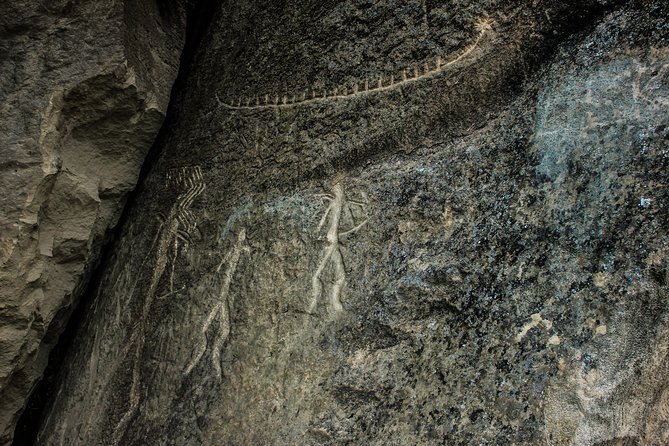
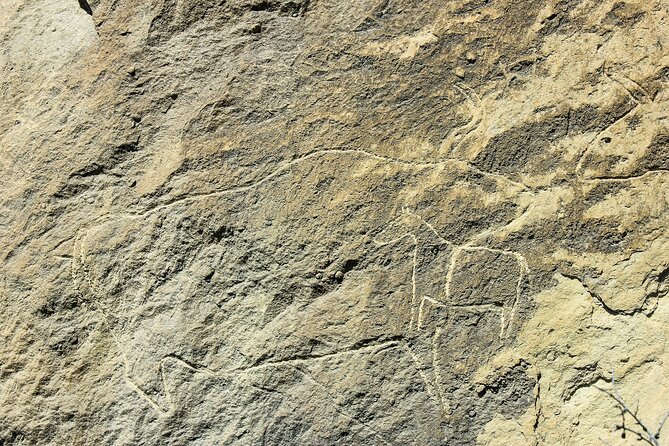
Gobustan is the backbone of the trip, and for good reason. You start with the Gobustan Rock Art Museum, which is designed to help you understand what you’re looking at. Inside, you’ll see prehistoric rock engravings and learn about the local environment and how people developed culturally here. What I found practical is that the museum uses touch screens and 3D panoramas, so you’re not just reading labels, you’re getting helped into the right mindset for interpreting the petroglyphs.
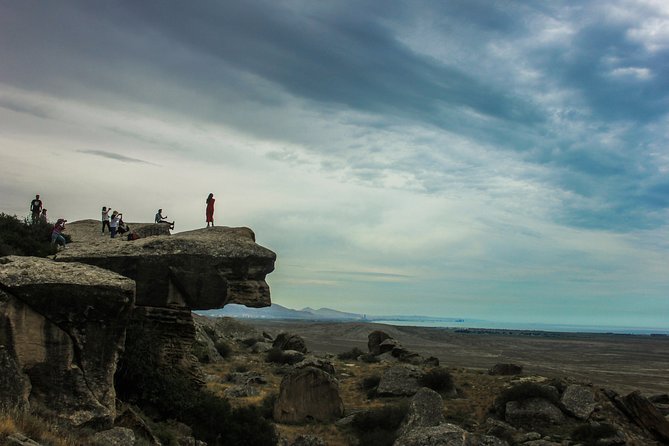
The museum also anchors the setting with historical exhibits tied to ancient timeframes, including material dating to the IV–II millennium BC. That matters because it gives you a sense of scale, even if you only spend a couple of hours on-site. From there, the tour continues to the outdoor Gobustan rocks, where your guide leads you through the real deal. This is where the experience clicks. Looking at petroglyphs in a museum is one thing, but seeing them in the landscape they were carved into is a different kind of attention.
Time expectation: stop 1 is about 2 hours in total. Admission for this segment is not included, so plan on ticket costs.
Potential drawback: Gobustan can be easier than you expect to “brute force” if you rush. Go slower than your legs want to. If you’re the type who likes to stand back, zoom in, and re-check shapes, you’ll enjoy it more. And if you’re traveling in hot weather, bring water, because outdoor viewing can stack up quickly.
Mud volcanoes in Azerbaijan: climb, crater views, and why they matter
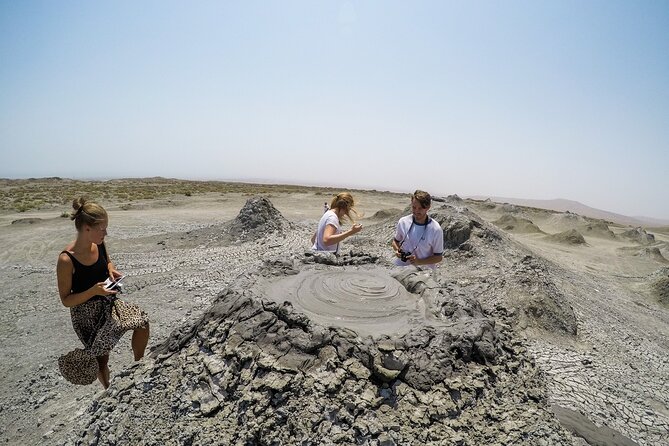
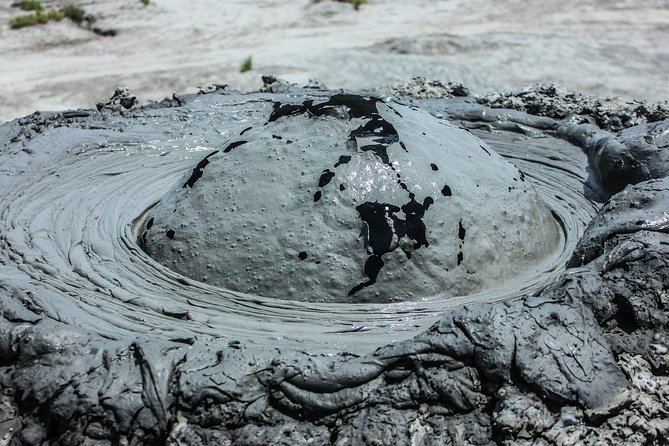
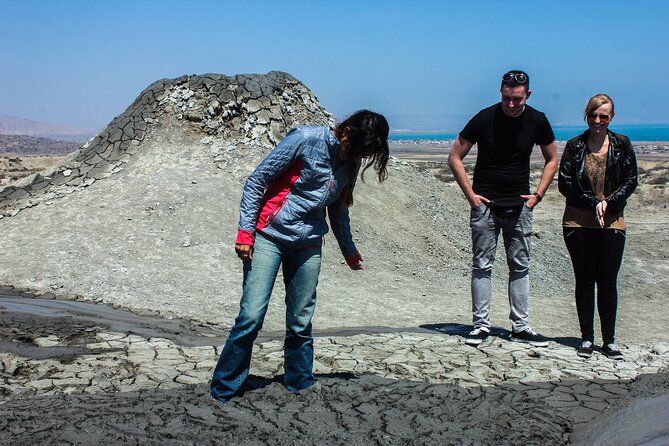
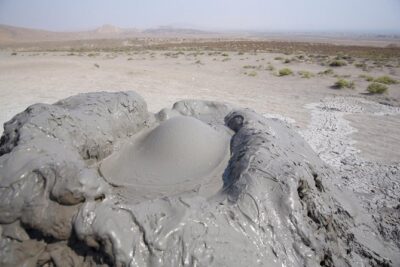
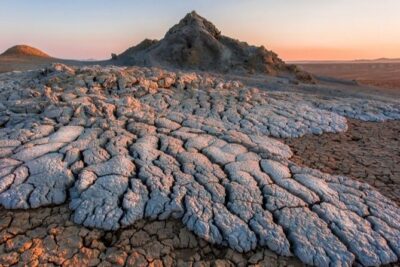
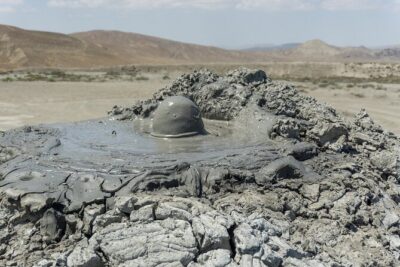
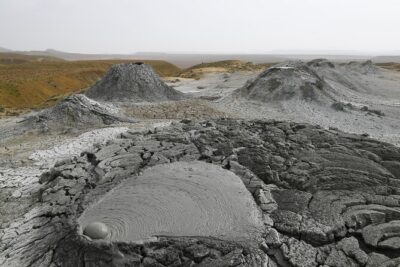
After Gobustan, the tour moves into pure weirdness in the best way. The mud volcanoes here are not a rumor or a photo spot. The tour takes you to active mud volcanoes, where you can climb and get close to craters. That close-up access is a big part of the value. Many tours give you a distant look, but this one is aiming for hands-on observation.
Here’s the scale you should keep in mind while you’re there: mud volcanoes exist in Azerbaijan territory for around 25 million years. Azerbaijan is also ranked first in the number of mud volcanoes, with about 350 of the world’s 800 located in the country. That’s a stat worth remembering, because it helps explain why the region has been studied for so long.
The practical angle is also interesting. The tour information highlights how mud volcano eruptions are used as raw material in industries like chemical and construction, plus in pharmacology. You’ll also hear about volcanic clay being used for treatments related to the nervous system, skin, and rheumatism. Even if you’re not a chemistry person, it’s a useful reminder that these are not just strange landforms, they’re part of how locals and specialists think about materials.
There’s also an hour-long break built in for lunch before the next segment. That’s helpful on a day like this, because the mud volcano portion can be physical, walking and climbing at your own pace.
Potential drawback: active sites mean uneven ground and close crater edges. Wear shoes with grip. If you’re not comfortable with climbing, you can still view plenty, but keep your own comfort level first. This is one attraction where the quality of your experience depends a lot on your footwear and your willingness to move carefully.
Ateshgah Fire Temple: Persian and Indian inscriptions, living worship traces
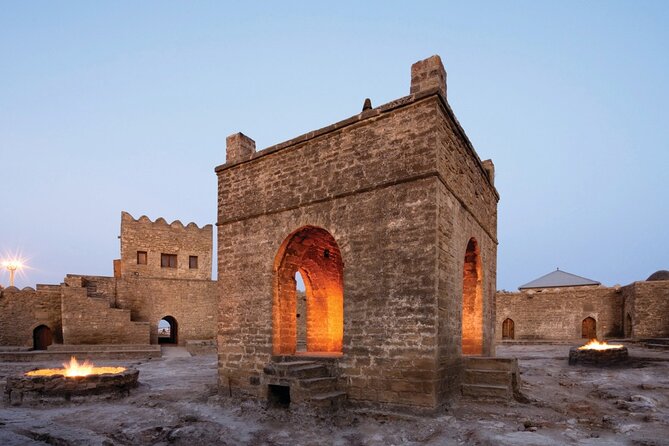
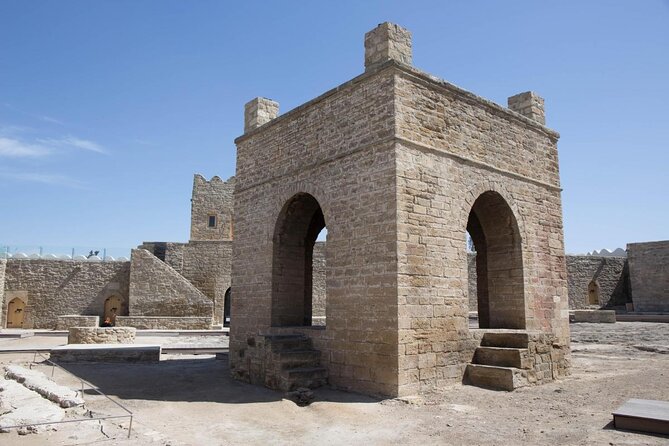
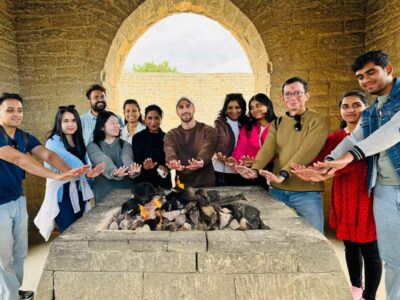
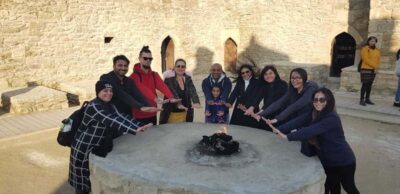
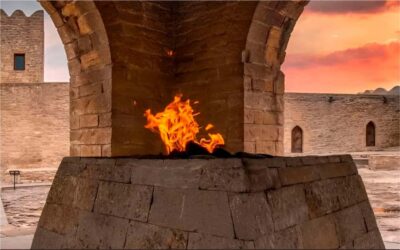
Then comes the story shift from mud to meaning. The Ateshgah Fire Temple of Baku is tied to fire worship in a way that feels both historical and human. Based on Persian and Indian inscriptions, the Fire Temple was used as a place of worship connected to Hindu and Zoroastrian traditions. The first mention of the temple dates back to the 7th century AD, so you’re not just seeing a modern monument. You’re seeing a site with layered cultural references.
Inside, you’ll find “cells” associated with fire worshippers, plus historical finds from excavations. The tour points out items like cookware, stone slabs with inscriptions, and elements of clothes. Even if you can’t translate everything on-site, the collection gives you something better than vague “ancient religion” talk. It helps you picture the people and daily items that belonged to worship practices.
Time expectation: about 1 hour at Ateshgah.
What I like about this stop is the way it connects clues rather than asking you to take a single narrative on faith. Inscriptions are mentioned for a reason, and the guide’s job is to help you connect those written references with what’s physically present at the site.
Potential drawback: if you’re expecting a big theatrical fire show, this isn’t framed that way in the tour format. This is more about learning why the site mattered and what evidence is associated with it. If you love explanations, ask your guide what to focus on while you’re inside those exhibits.
The fire sights, run by other operators
Yanardag, Burning Mountain, and the thrill of real gas flames
Finally, you end at Yanardag, formally the Yanardag State Historical, Cultural and Natural Reserve. This stop is the one that feels instantly memorable, even for people who don’t normally care about religious sites.
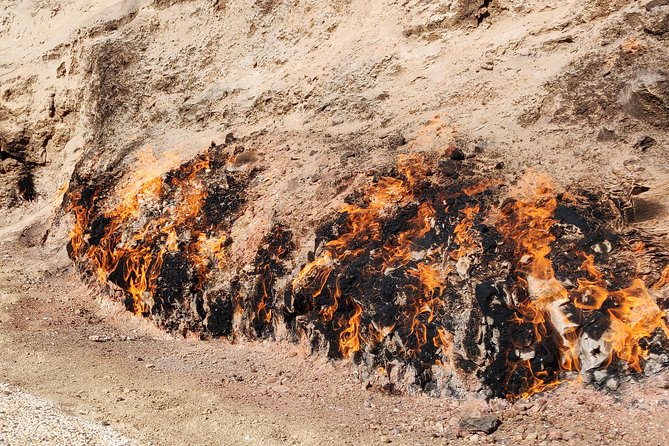
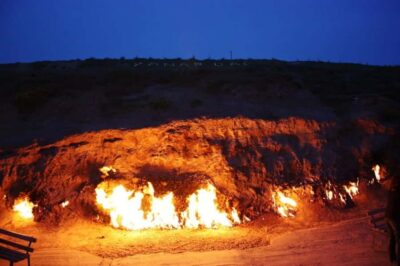
Yanardag is a natural gas flame that has been constantly burning since ancient times on a hillside near Baku. The meaning of the name is “Burning Mountain,” and the tour makes it clear that the flame still draws visitors. The information notes that pilgrims from Iran and India come here to see the sacred burning mountain, which adds a living dimension to a place that could easily feel purely historical.
Time expectation: about 40 minutes here. That might sound short, but for this type of attraction, shorter is often better. You want enough time to see the flame from a comfortable spot, take in the hillside setting, and then absorb the story without turning it into an endurance event.
Potential drawback: because it’s based on an outdoor flame and weather can affect the whole experience, this segment can feel more pleasant on good conditions. If the day’s weather is less cooperative, the tour may be adjusted or canceled for another date, since the experience is described as requiring good weather.
Price, timing, and what to plan for
The headline price is $59 per person, booked on average about 26 days in advance. In practical terms, that’s a fair mid-range cost for a full-day outing that includes air-conditioned transport and an accredited guide. Your extra costs are clearly listed: ticket fees of USD 23 and lunch.
So what’s the value math? You’re paying for someone to manage the driving between sites and the guide time to translate the meaning of rock art, geological formations, and fire worship history. If you tried to do this independently, you’d likely spend your day on logistics and timing headaches, and you might still need to research each site’s context to appreciate what you’re seeing. This tour bundles that into one day.
Timing-wise, it’s about 9 hours total. That’s enough time to see the museum and rocks at Gobustan, do the active mud volcano stop with physical movement, have an hour lunch break, visit Ateshgah, and still reach Yanardag before the day ends.
What to pack so the day feels easy:
- Comfortable, grippy shoes for outdoor walking and climbing at the mud volcanoes
- A water bottle, because outdoor time at Gobustan and Yanardag adds up
- A light layer, since coastal weather near Baku can shift
- Your patience for a full schedule, because this is a tight loop, not a slow sightseeing crawl
One more practical note: tickets are not fully included. Bring or prepare payment for the stated USD 23 ticket fees, and plan to buy lunch during the city center break.
Is this tour worth booking for you?
If you want a single day that checks four major Azerbaijan highlights, this group tour is a solid choice. I’d book it if you like guided context, you’re okay with a structured itinerary, and you want the best shots of Gobustan, the mud volcanoes you can climb into, and the real burning flame of Yanardag without doing transport math all day.
I’d think twice if your top priority is slow travel and tons of free time at each stop. The day is built to move, and the value comes from stacking these sights efficiently. Also, because the tour relies on good weather, you’ll want to be flexible with your schedule.
Bottom line: for most visitors to Baku, this is a strong value way to see the science of mud, the power of fire, and the prehistoric artistry of Gobustan in one guided day. When your time is limited, that kind of focus is hard to beat.
FAQ
What is the duration of the Gobustan, mud volcanoes, Fire Temple and Yanar Dag group tour?
The tour is approximately 9 hours.
What time does the tour start and where is the pickup?
It starts at 9:30 am, with pickup from locations within Baku. A starting meeting point is listed as NizamiBadalan mektebin yolu, Aşurlu 1009, Azerbaijan.
How big is the group?
The tour is for a maximum of 20 travelers.
Is the tour ticket mobile?
Yes, the tour includes a mobile ticket.
What is included in the price?
Included features are an accredited tour guide and an air-conditioned vehicle.
Are entry ticket fees included?
No. Ticket fees are listed as USD 23 and are not included.
Is lunch included?
No, lunch is not included. There is an hour-long lunch break in the city center during the day.
How long do you spend at Gobustan?
Stop 1 at Gobustan is listed as 2 hours.
How long do you spend at Yanardag?
Stop 4 at Yanardag is listed as 40 minutes.
What happens if the weather is bad?
The experience requires good weather. If it is canceled due to poor weather, you will be offered a different date or a full refund. Free cancellation is available up to 24 hours in advance for a full refund.
The Rest of Our Azerbaijan Reviews

Ateshgah and Yanar Dag, Keep Reading
Gobustan, Three More Ways
More of Azerbaijan we have been out and written up
- The Magnificent Baku Night Tour★ 5.0 · 3 reviews
- Small-Group Day Trip to Gobustan, Mud Volcanoes, Ateshgah & Yanar Dagh★ 4.5 · 3 reviews
- Private Sheki Tour – Four Regions of Azerbaijan in one day★ 5.0 · 3 reviews
- Full Day Guided Tour of Shamakhi and Gabala★ 5.0 · 3 reviews
- Qobustan Absheron Full Day Tour★ 5.0 · 3 reviews
Gobustan Rock Art & Mud Volcanoes, compared.
 ★ 4.9Gobustan, Mud Volcano, Fire Mount, Temple Lunch EntryFrom $63,246 reviews
 ★ 5.0BEST Gobustan, Volcanoes & Absheron Fire Tour (Group or Private)From $331,254 reviews
 ★ 5.0Gobustan and Absheron tour (All inclusive)From $851,014 reviews
 ★ 4.7Gobustan, Volcanoes, Fire Temple and Yanardag Day TripFrom $29433 reviews
 ★ 4.5Gobustan & Mud, Fire Temple, Burning Mountain (Group & Private)From $10418 reviews
 ★ 4.9Gobustan Absheron Tour Entry Tickets includedFrom $6329 reviews
 ★ 5.0Gobustan-Mud Volcan-Fire Temple and Mountain Tour/Entrance incFrom $30267 reviews
 ★ 4.8Gobustan Mud Volcanoes Temple & Entry tickets includedFrom $9178 reviews
Browse the lists this tour appears in