
REVIEW · GOBUSTAN ROCK ART & MUD VOLCANOES
Gobustan Tour and Mad Volcanoes – tour to stone age
Mud volcanoes have personality. That makes this half-day trip to Gobustan feel like a real change of pace from Baku, with ancient rock art and a very active natural site in the same run. I love how the Gobustan rock engravings connect prehistory to later culture, and I also like that you get close to the bubbling mud volcano action. One thing to consider: you will spend a good chunk of the day outdoors and on the road, so plan for sun, wind, and any rain.
You also get a smart route, with a museum first, then the park’s rock engravings, and finally a stop on the way back at Bibi Heybet Mosque. In one booking style I saw described, the van ride and guide support were a big part of the comfort, and one guide named Nurlan came through as friendly and helpful. If you are hoping for a long, slow walk with tons of time at each viewpoint, this is more of a focused highlight tour than a do-it-for-hours photo expedition.
In This Review
- Key highlights you will actually care about
- Gobustan From Baku, a very short drive with big payoff
- Entering Gobustan’s Petroglyphs Museum, then moving to the rocks
- A quick reality check on the park
- Gobustan rock engravings, where prehistoric life shows up in plain sight
- What to watch for during your walk
- Bubbling mud volcanoes, Azerbaijan’s strange geology up close
- How to handle the mud volcano stop
- Bibi Heybet Mosque on the return drive, a history you can see
- What to expect when you arrive
- Price and value: what $130 covers, and what you should plan for
- Timing, pacing, and what to bring for a 5-hour day
- Bring this so the day feels easy
- Who this tour fits best
- Should you book Gobustan and the mud volcano tour?
- FAQ
- What is the duration of the Gobustan and mud volcano tour?
- What time does the tour start?
- What is included in the $130 per person price?
- Is lunch included?
- Do I get hotel pickup and drop-off?
- Can I cancel for a full refund?
Key highlights you will actually care about
- UNESCO World Heritage setting at Gobustan: rock art linked to prehistoric life and later cultural continuity
- Petroglyphs Museum + rock engravings: you see context, then the real outdoor carvings
- Active mud volcano stop: bubbling, otherworldly terrain without a long detour
- Bibi Heybet Mosque on the return drive: a 13th-century style recreation tied to history from 1936
- Small-ish group size: up to 30 people, which helps keep the pace manageable
Other ways to do the petroglyphs and the bubbling mud
- Baku: Gobustan, Mud Volcano, Fire Mount, Temple Lunch Entry
★ 4.9 · 3,246 reviews - BEST Gobustan, Volcanoes & Absheron Fire Tour (Group or Private)
★ 5.0 · 1,254 reviews - Gobustan and Absheron tour (All inclusive)
★ 5.0 · 1,014 reviews - Baku: Gobustan, Volcanoes, Fire Temple and Yanardag Day Trip
★ 4.7 · 433 reviews
Gobustan From Baku, a very short drive with big payoff
This is a 5-hour outing built around two very different kinds of “old.” First, you meet ancient rock art at Gobustan National Park and Museum. Then you head to a bubbling mud volcano area that shows how active geology is still shaping the region today. The drive is roughly 120 km round trip and about 2 hours behind the wheel total, so you are not losing half the day in transit.
What makes this work for most people is that it is time-efficient. You can fit it between other Baku plans, or use it as your one day outside the city without needing a full-day private tour. Also, the tour style is practical: you get park fees handled and bottled water included, which matters when you are spending hours outdoors.
One more thing I like about this kind of route: it mixes human history and natural history back-to-back. You do not just look at artifacts and call it a day. You see how people once hunted and lived there, then you step into a place where the earth itself keeps moving.
Entering Gobustan’s Petroglyphs Museum, then moving to the rocks
You start with the Gobustan Petroglyphs Museum and then continue on to the rock engravings in the park. That sequence is not random. The museum gives you the story, and the outdoor carvings let you see what the story refers to.
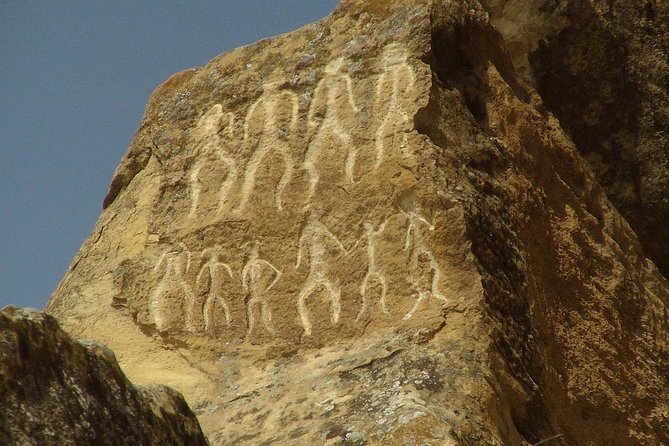
At Gobustan, the big hook is that the rock art is tied to a time period often described as 12th to 8th century B.C. You will also hear the larger UNESCO framing: Gobustan was declared a UNESCO World Heritage Site in 2007, recognized for its rock art engravings and for the way the images reflect hunting, fauna, flora, and lifestyles in prehistoric times. It is also noted for cultural continuity between prehistoric and medieval times. That combination helps you avoid the common problem where petroglyphs feel like random marks.
In practical terms, museum time helps you get your bearings fast. Even if you do not read every label, you start to recognize patterns and themes. Then when you walk among the outdoor rock faces, the carvings make more sense.
A quick reality check on the park
The carvings are outdoors, and the day is still driven by weather. The tour runs in all weather conditions, so dress appropriately. If you know you get cold easily, bring layers. If you burn fast, bring sun protection and drink your bottled water early, not after you feel wiped out.
Gobustan rock engravings, where prehistoric life shows up in plain sight
After the museum, the main event is the rock engravings. This is where you get the close-up look at petroglyphs carved into the landscape. You are not looking at a replica or a flat display. You are seeing markings that were made long ago, in a place people have continued to connect to for generations.
What I like most is the variety of themes. The UNESCO description specifically highlights hunting, animals, and everyday lifestyle elements in prehistoric life. That is useful because you can focus on what you see rather than getting lost in dates. Many carvings are easier to “read” once you know what to look for.
It is also the kind of site where you do not need to be an expert to enjoy the visit. You can just take your time, match what you saw at the museum to what is carved outside, and notice how the artists represented animals and activity.
What to watch for during your walk
If your tour group moves quickly, do not panic. Just pick a few zones to study for an extra minute. Look for scenes rather than treating everything as isolated symbols. If the light is harsh, angle yourself a bit, because the stone texture and shallow engraving depth can change what you notice.
Bubbling mud volcanoes, Azerbaijan’s strange geology up close
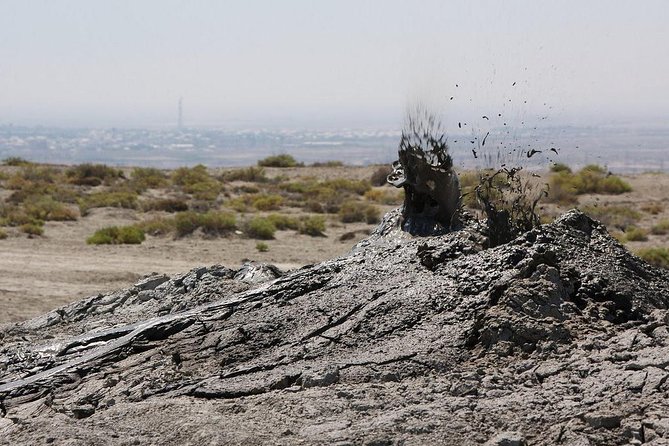
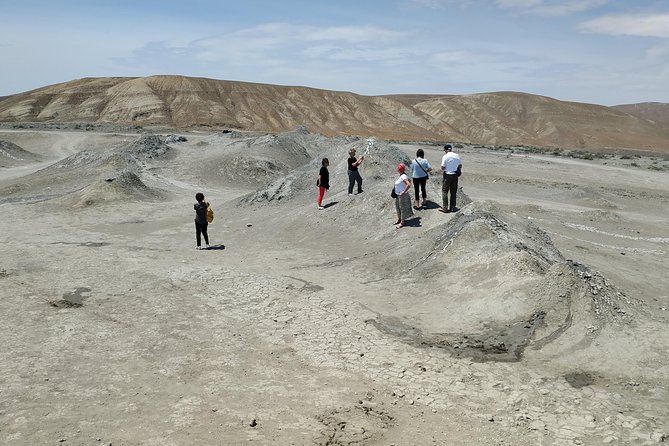
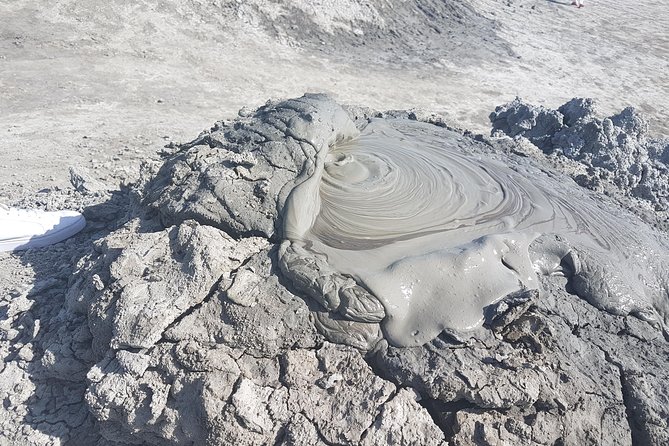
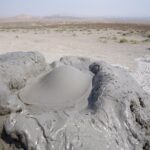
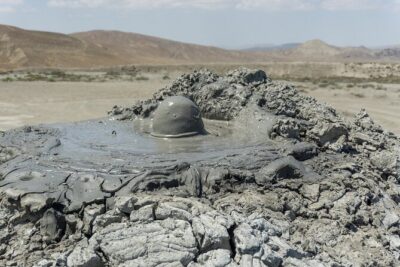
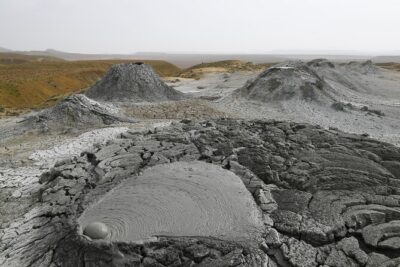
After Gobustan, the tour heads to an active mud volcano site, described as bubbling. Even without a science lecture, this part of the trip is memorable because it feels alive. Mud volcano activity is driven by underground gases and movement, and the surface can look dramatic and unusual compared with what most people expect in Azerbaijan.
The context matters: there are over a thousand mud volcanoes known worldwide, and around 400 are in Azerbaijan’s coastal area. So this stop is not random. It is part of a broader regional phenomenon that has drawn attention for decades.
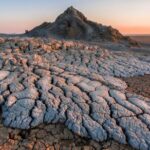
In a place like this, the fun comes from the sensory details. The ground can look unstable in places, the textures feel raw, and the overall scene looks more like a special effect than a natural site. Just remember, “active” does not mean you should get careless. You still want to stay where your guide tells you it is safe to stand.
How to handle the mud volcano stop
Wear shoes you trust. You may be walking on uneven, gritty terrain. Bring a hat or sunglasses if the day is sunny, and keep water handy. This stop can be short or longer depending on pace, but either way it is one of those experiences that makes the whole trip feel more than just a museum day.
Bibi Heybet Mosque on the return drive, a history you can see
On the way back, the tour includes a stop at Bibi Heybet Mosque. The important detail here is that it is described as a recreation of the mosque with the same name built in the 13th century. That original structure was destroyed by the Bolsheviks in 1936, and the present mosque is a rebuilt version reflecting that legacy.
Why include this? Because Gobustan is prehistoric, and mud volcanoes are about deep earth processes. Bibi Heybet gives you the medieval timeline link, plus a modern story about loss and reconstruction. In other words, the tour’s arc makes a bit more sense: prehistory, natural activity, then human culture and memory in later centuries.
What to expect when you arrive
This is not the kind of stop where you need a long time commitment. It is more of a sight and context stop. Still, it can be worth slowing down for a few photos and a quick look at the setting, since it helps you round out the day’s themes.
Price and value: what $130 covers, and what you should plan for
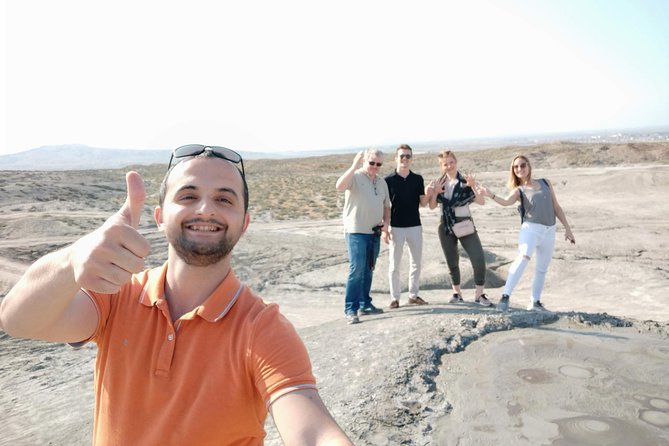
The price is $130 per person for a roughly 5-hour tour. You get national park fees, bottled water, and a local guide. That is a solid baseline value because park fees and guiding typically add up quickly, and bottled water saves you from buying something overpriced close to the sites.
What is not included: lunch, and hotel pickup and drop-off. Pickup is offered, but hotel pickup/drop-off is specifically listed as not included, so I would treat that as a “confirm when you book” item. If you are staying far from the meeting point, that matters.
Here is how I would think about value for this one:
- If you want one guided half-day outside Baku with the key sights handled, the price looks fair.
- If you already have a driver lined up or you prefer total independence, you might compare it to what you would spend on transport and park entry on your own.
Also, there are group discounts mentioned. If you are traveling with others, ask how those apply. A small discount can turn a good value day into a great one.
Timing, pacing, and what to bring for a 5-hour day
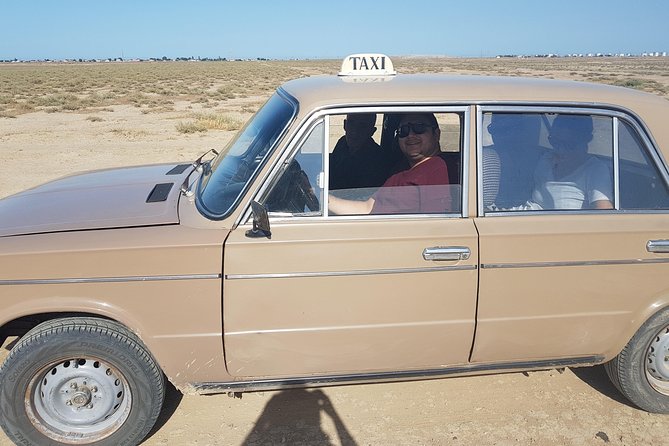
The tour starts at 10:00 am. That matters because Gobustan and the mud volcano site are both outdoors, and morning light often helps with walking comfort and photos. One provided example also mentions an afternoon departure at 14:00, which suggests schedules can vary, but the standard start time listed is 10:00.
The overall duration is about 5 hours, including travel. Expect around 2 hours driving total, plus museum and park time, plus the mud volcano stop and the mosque on the return.
Bring this so the day feels easy
- Comfortable walking shoes (rocky or uneven ground is possible)
- Sun protection or a hat (the day is outdoors)
- A light layer for wind or cooler weather
- A basic snack if you tend to get hungry, since lunch is not included
Service animals are allowed, and the tour operates in all weather conditions. In other words, pack like you might walk in changeable conditions rather than assuming perfect weather.
Who this tour fits best
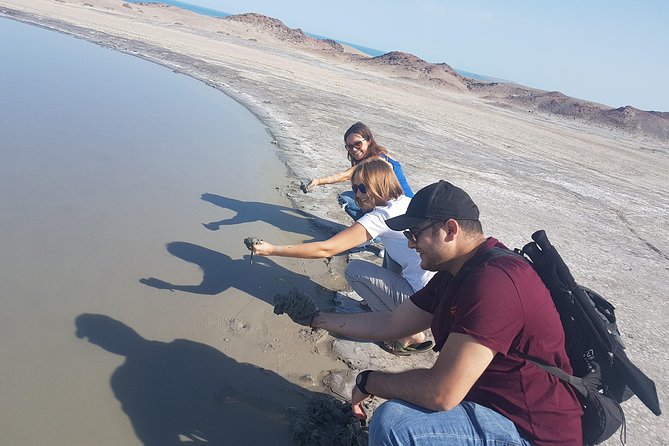
This is a good match if you want:
- One guided, time-efficient outing outside Baku
- A mix of human history (petroglyphs) and natural phenomenon (bubbling mud volcanoes)
- A tour with park fees and a guide included, so you do not need to manage logistics
It is also a strong choice for first-timers who want a structured introduction to Gobustan without having to plan every detail. If you are traveling with a range of interests, this day keeps everyone engaged because it switches settings and themes.
If you are the type who needs long, slow time in one place, you might find the pacing brisk. But if you are okay with a highlight-focused plan, this format is efficient and satisfying.
Should you book Gobustan and the mud volcano tour?
I think you should book this if you want a smart half-day that delivers three memorable sights, Gobustan’s UNESCO rock art, bubbling mud volcanoes, and Bibi Heybet Mosque, without turning your day into a logistics project. The included park fees, bottled water, and guide help make it a good value for the time.
Skip it or reconsider if you have a limited tolerance for outdoor walking in changing weather, or if you dislike tours with fixed time windows. Also, if lunch is a deal-breaker for you, plan ahead by grabbing something nearby before you go.
Bottom line: if you want your Baku trip to include a real out-of-town contrast, this is one of the clearer picks, because the day has variety built in from start to finish.
FAQ
What is the duration of the Gobustan and mud volcano tour?
The tour lasts about 5 hours.
What time does the tour start?
The listed start time is 10:00 am.
What is included in the $130 per person price?
The price includes national park fees, bottled water, and a local guide.
Is lunch included?
No, lunch is not included.
Do I get hotel pickup and drop-off?
Pickup is offered, but hotel pickup and drop-off are listed as not included, so you should confirm the exact pickup details when booking.
Can I cancel for a full refund?
Yes, you can cancel for a full refund up to 24 hours in advance of the experience start time.
More Azerbaijan Trips We Reviewed
The Rest of Our Azerbaijan Reviews

Gobustan, Three More Ways
More of Azerbaijan we have been out and written up
- The Magnificent Baku Night Tour★ 5.0 · 3 reviews
- Small-Group Day Trip to Gobustan, Mud Volcanoes, Ateshgah & Yanar Dagh★ 4.5 · 3 reviews
- Private Sheki Tour – Four Regions of Azerbaijan in one day★ 5.0 · 3 reviews
- Full Day Guided Tour of Shamakhi and Gabala★ 5.0 · 3 reviews
- Qobustan Absheron Full Day Tour★ 5.0 · 3 reviews
Gobustan Rock Art & Mud Volcanoes, compared.
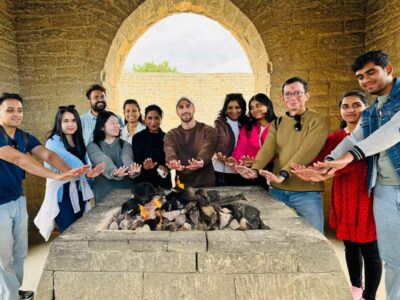 ★ 4.9Gobustan, Mud Volcano, Fire Mount, Temple Lunch EntryFrom $63,246 reviews
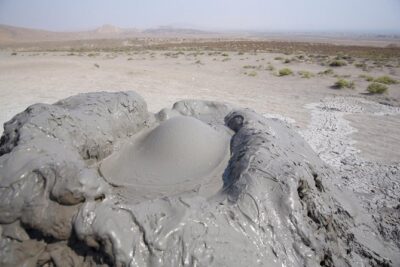 ★ 5.0BEST Gobustan, Volcanoes & Absheron Fire Tour (Group or Private)From $331,254 reviews
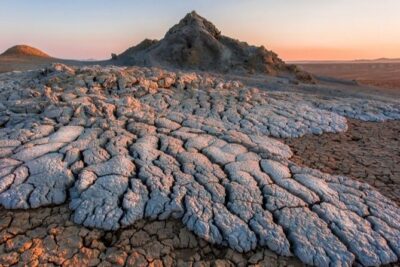 ★ 5.0Gobustan and Absheron tour (All inclusive)From $851,014 reviews
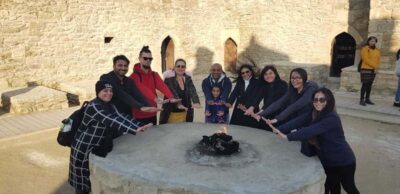 ★ 4.7Gobustan, Volcanoes, Fire Temple and Yanardag Day TripFrom $29433 reviews
 ★ 4.5Gobustan & Mud, Fire Temple, Burning Mountain (Group & Private)From $10418 reviews
 ★ 4.9Gobustan Absheron Tour Entry Tickets includedFrom $6329 reviews
 ★ 5.0Gobustan-Mud Volcan-Fire Temple and Mountain Tour/Entrance incFrom $30267 reviews
 ★ 4.8Gobustan Mud Volcanoes Temple & Entry tickets includedFrom $9178 reviews
Browse the lists this tour appears in