
REVIEW · GOBUSTAN ROCK ART & MUD VOLCANOES
Gobustan,Mud Volcanoes & Absheron Peninsula full day tour
Mud volcanoes hiss, then you’re off. I like that this day packs Azerbaijan’s most memorable natural sights into one smooth route, without you having to plan or wrangle transport. I also love the mix of old and new, from the Gobustan rock art open-air area to the striking Heydar Aliyev Cultural Center stop.
The main thing to watch is guide quality. On private tours like this, you are dealing with a driver who may also act as the guide, and one past experience noted a language and knowledge gap, with explanations that felt very brief.
In This Review
- Key things to know before you go
- Price and what you actually get for $102
- Getting around: pickup, car comfort, and the mud volcano switch
- Stop 1, the mud volcanoes: a landscape that won’t stay quiet
- Stop 2, Gobustan museum and the open-air rock art reserve
- The quick pass at Bibi-Heybat Mosque
- Yanardag, the burning mountain on the Absheron Peninsula
- Ateshgah Fire Temple: from fire worship to a living gas-lit site
- The Heydar Aliyev Cultural Center: design as a final scene
- Who this tour suits best
- What to bring for a smoother day
- The biggest practical downside: guide quality can make or break the day
- Should you book this Gobustan and Absheron full day tour?
- FAQ
- FAQ
- How long is the Gobustan, Mud Volcanoes & Absheron Peninsula full day tour?
- What is the price per person?
- Does the tour include hotel pickup and drop-off?
- Is transportation provided during the tour?
- Are entrance fees included?
- What about food and drinks?
- How much time do you spend at each main stop?
- Is the tour private?
- Do I get tickets on my phone?
- What is the cancellation policy?
Key things to know before you go
- Special vehicle for the mud volcano road: you switch transport because the access road is rough, and only certain cars can handle it.
- A clear, full-day hit list: mud volcanoes, Gobustan rock art, Bibi-Heybat Mosque, Yanardag, and Ateshgah.
- You get off-road style access: the trip isn’t just a drive-by, you get to the main action areas.
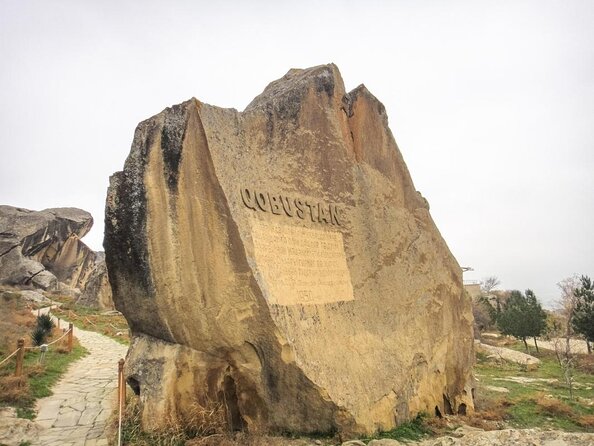
- Gobustan Reserve is big on rock carvings: the reserve is known for 6,000-plus carvings, including animals and everyday scenes.
- Natural fire at Yanardag: a steady gas flame on the hillside near Baku.
- Fire Temple of Baku has a cool history: the Ateshgah site links Persian and Indian religious traditions tied to fire worship.
Other ways to do the petroglyphs and the bubbling mud
- Baku: Gobustan, Mud Volcano, Fire Mount, Temple Lunch Entry
★ 4.9 · 3,246 reviews - BEST Gobustan, Volcanoes & Absheron Fire Tour (Group or Private)
★ 5.0 · 1,254 reviews - Gobustan and Absheron tour (All inclusive)
★ 5.0 · 1,014 reviews - Baku: Gobustan, Volcanoes, Fire Temple and Yanardag Day Trip
★ 4.7 · 433 reviews
Price and what you actually get for $102
At $102 per person for about 7 hours, this tour is best seen as a time-saver plus a bundle deal. You are paying for hotel pickup and drop-off, a comfortable car, and a route that strings together multiple landmark stops around Baku and Absheron.
What is not included matters for value. Museum and site admissions are listed as not included for Gobustan (museum), Yanardag, and Ateshgah, and food and drinks are also on you. The upside is that mud volcano admission is marked free in the itinerary, so your out-of-pocket costs may be less than you fear.
If you are the kind of traveler who likes to hit the highlights efficiently, this price can feel fair fast. If you want lots of deep explanation and confident English guiding the whole way, I would treat this as a depends-on-your-driver kind of day.
Getting around: pickup, car comfort, and the mud volcano switch
Your day starts with hotel pickup and drop-off, and you travel in a comfortable car with an English speaking driver. That is a practical combo in Baku, because traffic and timing can turn a simple outing into a headache if you try to DIY it.
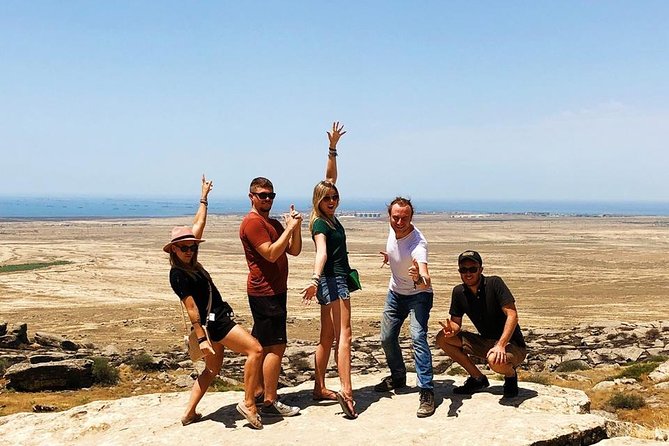
Then comes the key operational detail: once you reach the Gobustan area for the mud volcanoes, you change transport. The reason is straightforward, the road to the mud volcano area is in bad condition, so the group uses specific cars made to handle the terrain. This is a big deal because it means you are not just viewing mud volcanoes from a distance.
I also like that the day is structured around short, realistic stops. Even if you lose some time switching vehicles, the itinerary keeps you moving between major sights instead of lingering too long in any one place.
Stop 1, the mud volcanoes: a landscape that won’t stay quiet
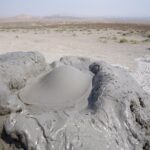
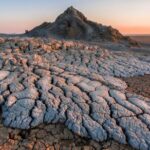
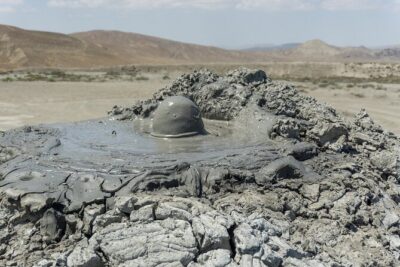
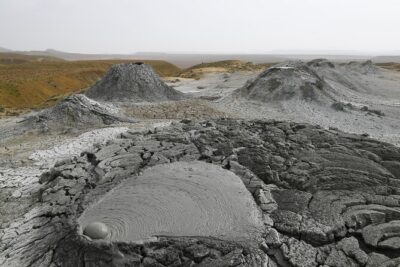
The mud volcanoes are the headliner, and this is where the tour earns its reputation. You are heading into a bizarre terrain of bubbling, messy ground that can look calm and then surprise you. In this region, mud volcanoes connect to underground hydrocarbon and petrochemical activity, and gas finds a path upward, sometimes feeding small persistent flames.
In other words, this is not a polite museum stop. It’s an active, outdoor phenomenon shaped by geology and seepage, and that’s exactly why it feels memorable.
The itinerary sets aside about 30 minutes for this stop. That is enough time to walk around, watch the bubbling zones, and grab photos without feeling rushed into the next site the moment you arrive.
One practical note: even though it is outdoors, you are still on a tight schedule. If you want a long, slow exploration, this may feel a little short, but for most people, the pacing works well.
Stop 2, Gobustan museum and the open-air rock art reserve
After you return from the mud volcano area and get back in the car, you go to the Gobustan museum first. The museum stop is about 1 hour 30 minutes, and then you move on to the Gobustan Rock Art open-air museum.
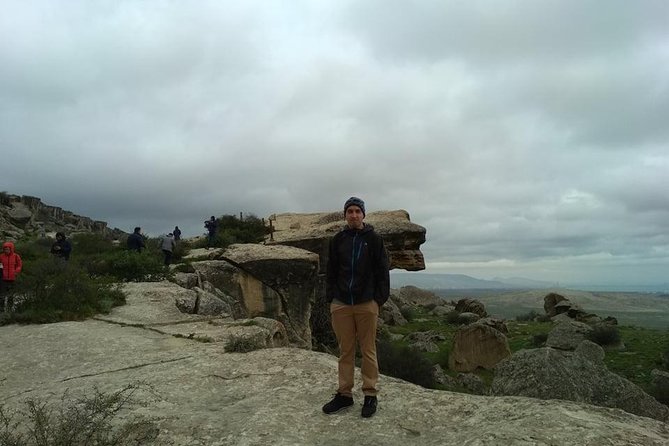
Gobustan State Reserve was established to preserve carvings, mud volcanoes, and gas stones in the region. The reserve is especially famous for having more than 6,000 rock carvings, which depict people and animals and tell you how humans interacted with this landscape long ago.
This is where I think the tour offers real value beyond a “see it, snap it” day. The open-air setting makes the carvings feel grounded in place. You are not just looking at old symbols, you are standing in the same type of terrain that shaped daily life for the people who made them.
The only drawback is that the quality of the explanations can vary. If you get a driver who can’t give much context, you can still enjoy the carvings visually, but you will miss some of the stories that make them click.
The fire sights, run by other operators
The quick pass at Bibi-Heybat Mosque
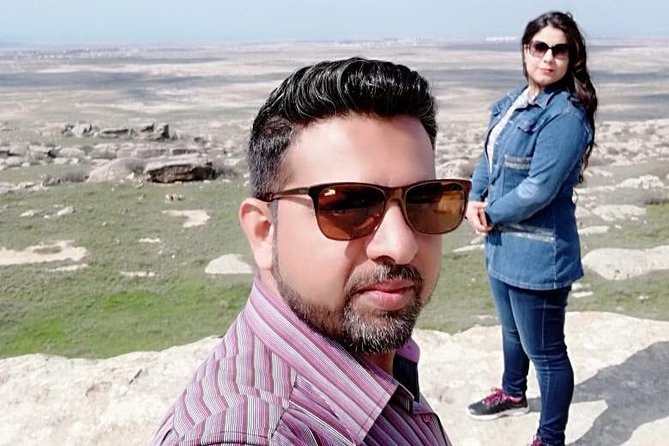
On the way back, there is a stop at Bibi-Heybat Mosque. The time here is short, about 15 minutes, and it is described as a stop while passing through.
So this is not the place to expect a long visit or a full cultural deep dive. Instead, think of it as a respectful break in the schedule, a chance to see one of the landmark religious buildings on your route and take a few photos in decent daylight.
If you are sensitive to short stops, plan your expectations. If you enjoy checking off key Baku-area sights, those 15 minutes can feel just right.
Yanardag, the burning mountain on the Absheron Peninsula
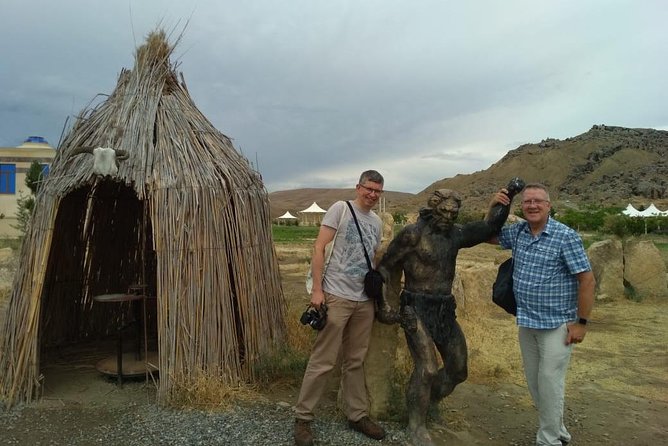
Next you head to Yanardag, also known as the Burning Mountain. Here the tour sets aside about 20 minutes, which lines up with what most people need to understand the idea and take in the flame.
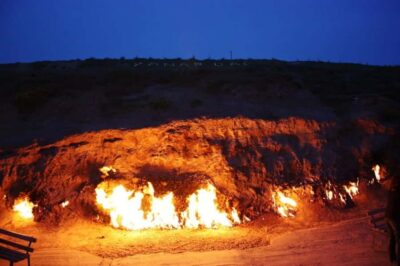
Yanardag is a natural gas fire burning steadily on a hillside on the Absheron Peninsula near Baku. Unlike mud volcanoes, where the action can be messy and irregular, Yanardag is described as fairly steady because it is tied to a steady seep of gas.
You will also hear the story that the flame was only noticed after an accidental ignition by a shepherd in the 1950s. Even if you treat that as folklore, the point is solid: this is a natural phenomenon that has been part of the landscape long enough to become a known cultural and geographic marker.
For my taste, the best part is the contrast. You go from bubbling earth to a stable hillside flame, and it helps you understand how different this region’s “fire” sources can be.
Ateshgah Fire Temple: from fire worship to a living gas-lit site
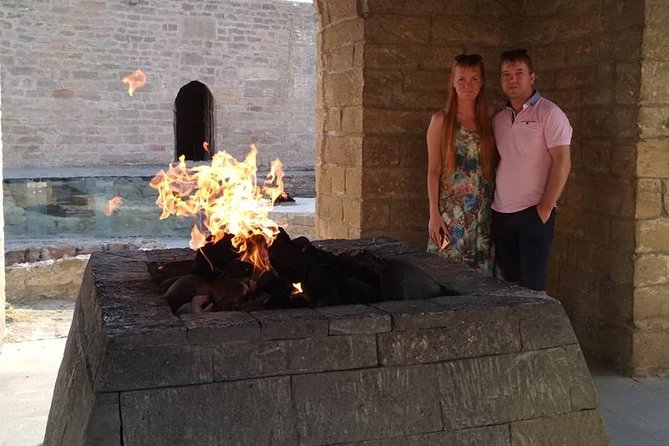
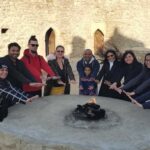
Then comes Ateshgah, the Fire Temple of Baku, located in Surakhani, a suburb in Baku. The stop is about 50 minutes, which is the right length for a site that has both architectural features and layered religious history.
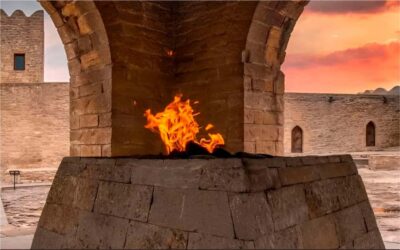
The complex is castle-like and pentagonal, with a courtyard and cells for monks, plus a tetrapillar-altar in the middle. Historical notes in the itinerary connect it to Hindu, Sikh, and Zoroastrian worship, based on Persian inscriptions.
This is one of those stops that works even if you do not know the full backstory in advance. The idea of fire as a focal point feels intuitive as you walk the space, and the structure helps you picture the site’s purpose.
One detail worth knowing: the natural eternal flame went out in 1969 after petroleum and gas exploitation in the area, but it is now lit again by gas piped from the nearby city. That makes Ateshgah feel like a living site, not just a frozen monument.
The Heydar Aliyev Cultural Center: design as a final scene
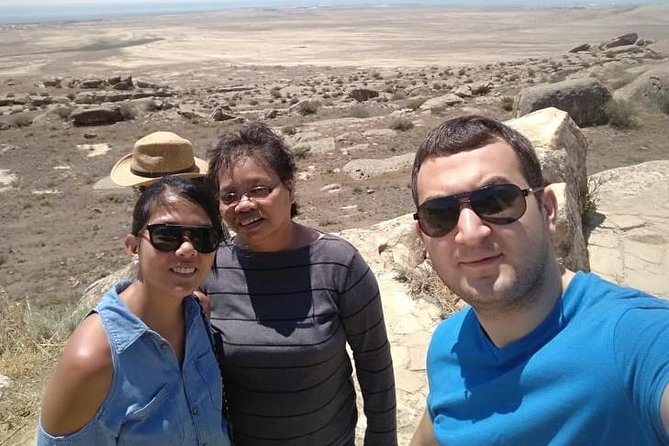
The itinerary highlights the Zaha Hadid-designed Heydar Aliyev Cultural Center as part of the broader day. Even when time here feels limited, the location functions like a reset between natural extremes and ancient sites.
The building itself is a big part of the attraction because it is instantly recognizable and very modern in mood. In a day that starts with earth doing strange things, and then moves to thousands of years of rock carving, the cultural center gives you a sense of how Baku also tells stories through design.
If you are the type who loves architecture photos, this is a nice closing note.
Who this tour suits best
This tour fits best if you want a high-impact route without the hassle of coordinating multiple buses, hiring separate drivers, or missing key stops. You get pickup, a comfortable car, and an itinerary that stays focused on big, distinct experiences.
It also suits you if you like contrasts. You are moving from bubbling mud and steady hillside flames to carved rock history, then ending with modern Baku architecture.
I would be a bit cautious if you need a very academic, deeply explained tour. One past experience flagged weak guide knowledge and an English language barrier, and that is the main risk with any day tour where the driver may also guide.
What to bring for a smoother day
Since you are doing multiple outdoor stops, pack for comfort rather than just photos. Light layers help because coastal weather can change around Baku and Absheron, and you will likely be outside for at least part of the mud volcano and Yanar Dag sections.
Also plan for site admissions that are not included for some stops. Bring a card or cash you are comfortable using for those fees, plus snacks and water if you do not want to rely on whatever you find between stops.
Finally, wear shoes you can trust on uneven ground. Even though you are going by car for most of the day, the mud volcano area is about as natural as it gets, and your footing matters.
The biggest practical downside: guide quality can make or break the day
The tour’s structure is strong, but the narration is less guaranteed. A couple of details make this a real factor: the explanations at each site can be brief, and the driver may not always be the best fit for the role of English guide.
If you arrive with your own curiosity, you will still enjoy the major sights. Mud volcanoes and Yanardag are visual and immediate, and Gobustan rock carvings are powerful even without a long lecture.
But if you are the traveler who wants context for every stop, this is where you might feel the gap. The solution is simple: ask your driver a few targeted questions early in the day, about what you are seeing right then. You will often get better answers when you steer the conversation.
Should you book this Gobustan and Absheron full day tour?
I would book it if you want a single day highlight reel in and around Baku, with off-road style access to the mud volcano area and an efficient sweep of Absheron’s signature sites. The route makes sense, the timing is realistic for a 7-hour day, and the mix of natural phenomena plus human history keeps things interesting.
Skip it or approach it with eyes open if you need a very detailed English guide at every stop. You can still enjoy the sights, but you might not get the extra layers of explanation you want, especially on the shorter stops.
Overall, this is a good value choice when you want to see more than one “wow” destination without losing a whole day to planning. If your must-do list includes mud volcanoes, Gobustan rock art, and one or two of Baku’s fire-related sites, this tour gives you that in one tidy package.
FAQ
FAQ
How long is the Gobustan, Mud Volcanoes & Absheron Peninsula full day tour?
It runs about 7 hours (approx.).
What is the price per person?
The price is $102.00 per person.
Does the tour include hotel pickup and drop-off?
Yes, hotel pickup and drop-off are included.
Is transportation provided during the tour?
Yes. You travel in a comfortable car with an English speaking driver, and transport is changed when heading to the mud volcanoes due to bad road conditions.
Are entrance fees included?
No. Entrance fees to the Gobustan museum, Fire Temple (Ateshgah), and Yanardag are not included. Mud volcanoes are listed as free in the itinerary.
What about food and drinks?
Food and drinks are not included.
How much time do you spend at each main stop?
Mud volcanoes are about 30 minutes. Gobustan museum and the open-air rock art area total about 1 hour 30 minutes for the museum, with additional time at the open-air rock art site. Bibi-Heybat Mosque is about 15 minutes. Yanardag is about 20 minutes. Ateshgah is about 50 minutes.
Is the tour private?
Yes, this is described as private, meaning only your group participates.
Do I get tickets on my phone?
You get a mobile ticket.
What is the cancellation policy?
Free cancellation is offered, and you can cancel up to 24 hours in advance for a full refund.
The Rest of Our Azerbaijan Reviews

Ateshgah and Yanar Dag, Keep Reading
Gobustan, Three More Ways
More of Azerbaijan we have been out and written up
- The Magnificent Baku Night Tour★ 5.0 · 3 reviews
- Small-Group Day Trip to Gobustan, Mud Volcanoes, Ateshgah & Yanar Dagh★ 4.5 · 3 reviews
- Private Sheki Tour – Four Regions of Azerbaijan in one day★ 5.0 · 3 reviews
- Full Day Guided Tour of Shamakhi and Gabala★ 5.0 · 3 reviews
- Qobustan Absheron Full Day Tour★ 5.0 · 3 reviews
Gobustan Rock Art & Mud Volcanoes, compared.
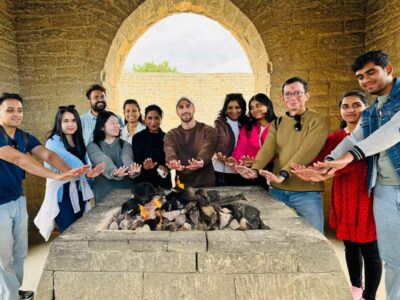 ★ 4.9Gobustan, Mud Volcano, Fire Mount, Temple Lunch EntryFrom $63,246 reviews
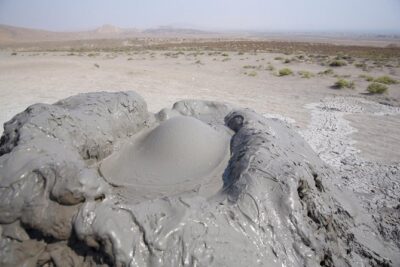 ★ 5.0BEST Gobustan, Volcanoes & Absheron Fire Tour (Group or Private)From $331,254 reviews
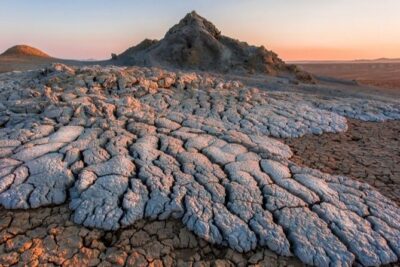 ★ 5.0Gobustan and Absheron tour (All inclusive)From $851,014 reviews
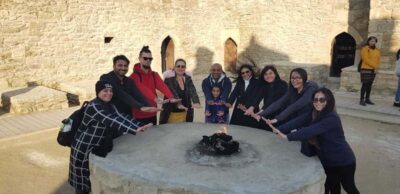 ★ 4.7Gobustan, Volcanoes, Fire Temple and Yanardag Day TripFrom $29433 reviews
 ★ 4.5Gobustan & Mud, Fire Temple, Burning Mountain (Group & Private)From $10418 reviews
 ★ 4.9Gobustan Absheron Tour Entry Tickets includedFrom $6329 reviews
 ★ 5.0Gobustan-Mud Volcan-Fire Temple and Mountain Tour/Entrance incFrom $30267 reviews
 ★ 4.8Gobustan Mud Volcanoes Temple & Entry tickets includedFrom $9178 reviews
Browse the lists this tour appears in