
REVIEW · GOBUSTAN ROCK ART & MUD VOLCANOES
Gobustan & Absheron Tour with Free Old City Walking Tour
I love seeing a country through what it worshipped and what it feared, and this day trip does both. You’ll walk through Gobustan National Park UNESCO petroglyphs, then switch gears to Absheron’s fire sites, ending with a free guided stroll in Baku’s Old City. It’s a lot of ground, but the theme stays clear: humans, faith, and nature in one long day.
The best part is the guide, the kind who can connect stone carvings, ancient religions, and present-day myths into a story you can actually follow. One thing to plan for: the headline price is low, but you’ll still pay on-site entrance fees, including a mandatory mud volcano fee even if it rains.
In This Review
- Quick hits before you go
- Gobustan National Park: walking among prehistoric petroglyphs
- Mud volcanoes: the mandatory detour and how much it costs
- Ateshgah Fire Temple: where traders and faith crossed paths
- Yanar Dag: real flames from a hillside gas seep
- The value math: why $3 can still turn into a full day of costs
- Baku Old City on foot: Icherisheher highlights with a local guide
- Guides, languages, and what you should ask along the way
- When this tour fits you best, and when it might not
- Should you book the Gobustan and Absheron day with the free Old City walk?
Quick hits before you go
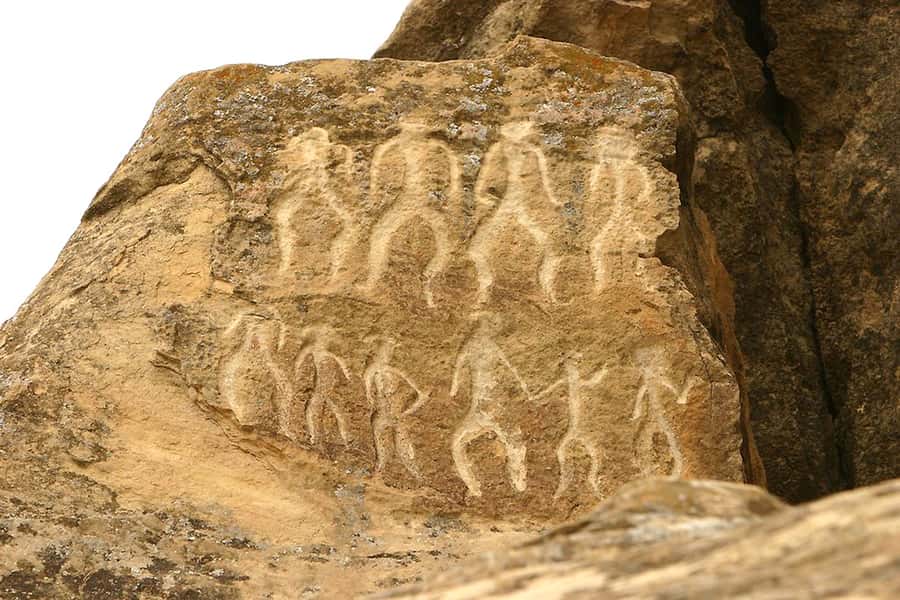
- UNESCO Gobustan petroglyphs you can walk right up to, plus an interactive museum stop
- Ateshgah Fire Temple tied to Silk Road travelers and fire-worship traditions
- Yanar Dag Burning Mountain where flames keep burning from natural gas seeping from the hillside
- Mud volcano detour when weather or road conditions require it, with a fixed cash fee
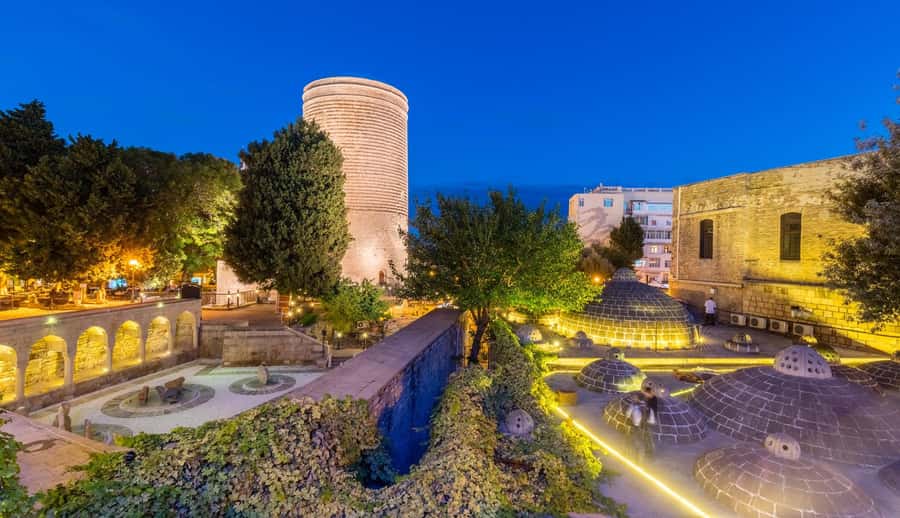
- Free Icherisheher Old City walk with key sights like the Maiden Tower and Shirvanshahs’ Palace
Other ways to do the petroglyphs and the bubbling mud
- Baku: Gobustan, Mud Volcano, Fire Mount, Temple Lunch Entry
★ 4.9 · 3,246 reviews - BEST Gobustan, Volcanoes & Absheron Fire Tour (Group or Private)
★ 5.0 · 1,254 reviews - Gobustan and Absheron tour (All inclusive)
★ 5.0 · 1,014 reviews - Baku: Gobustan, Volcanoes, Fire Temple and Yanardag Day Trip
★ 4.7 · 433 reviews
Gobustan National Park: walking among prehistoric petroglyphs
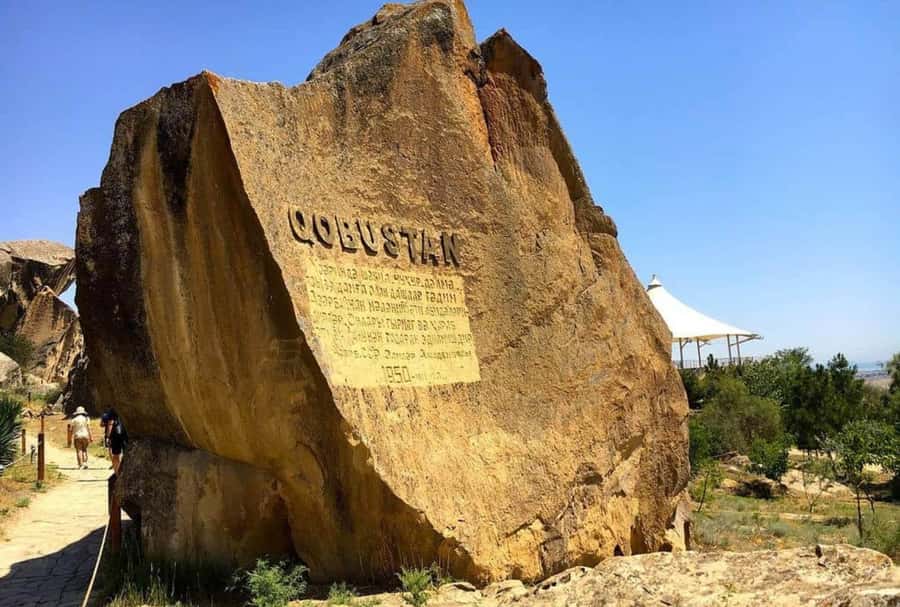
Your day starts at Gobustan National Park, a UNESCO World Heritage Site known for prehistoric rock carvings. The carvings and petroglyphs are what make this place feel different from a typical outdoor stop. You’re not just looking at rocks, you’re reading evidence of early life: hunting scenes, rituals, and dance-like depictions that suggest people were organizing their world through story and movement.
What I like about the pacing here is that you get both outdoors time and indoor context. After you walk among the rock panels, there’s a modern, interactive museum component built to help you understand what you’re seeing. If you tend to enjoy history but hate guessing, this museum stop can do a lot for your comprehension without turning your day into a classroom.
Practical note: you’ll want sturdy shoes. Gobustan terrain can be uneven, and you’ll spend real time on your feet. If you’re the type who hates wet stone or slippery paths, keep that in mind when you pack.
Mud volcanoes: the mandatory detour and how much it costs
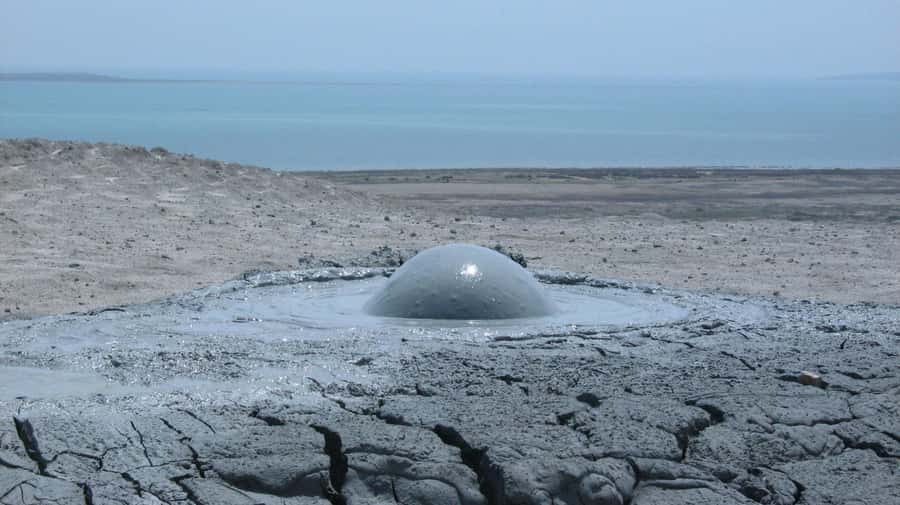
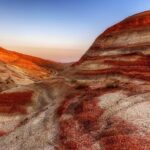
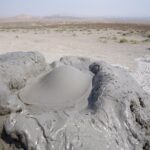
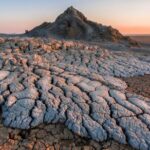
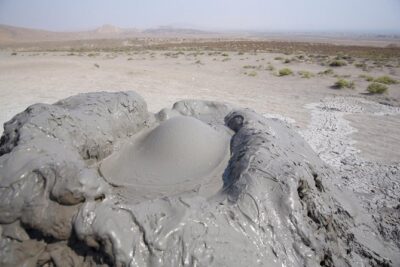
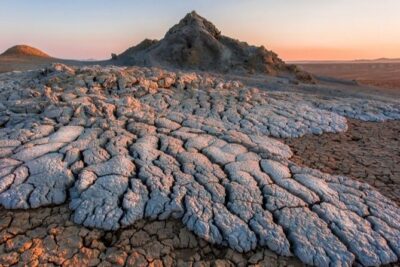
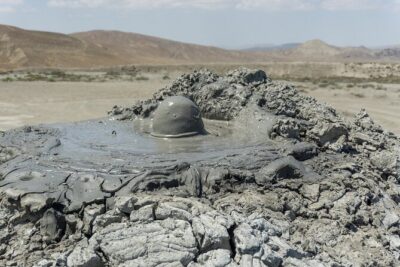
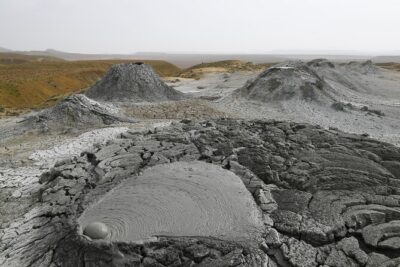
Gobustan has another star: mud volcanoes, which you may visit depending on weather and road conditions. On clear days, you might get to see them as an extra stop. If it’s rainy, the tour redirects you to the Mud Volcanoes Complex, and the fee stays the same.
Here’s the key logistics piece you need up front: the mud volcanoes are mandatory for this program, and the cost is 30 AZN paid in cash. The fee applies even in rain. So if you’re picturing a rain plan that’s cheaper or skipped, this isn’t that tour.
Also, pack a small mindset shift. Mud volcanoes can look strange fast, but they’re memorable because they’re so unique to this place. You might even leave with a practical souvenir, since the tour encourages you to bring an empty bottle and collect some mud as a keepsake. It’s one of those simple ideas that makes the stop feel personal, not just scenic.
Ateshgah Fire Temple: where traders and faith crossed paths
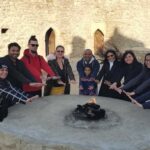
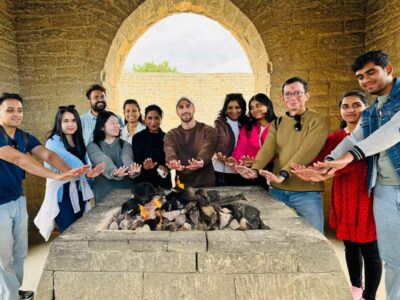
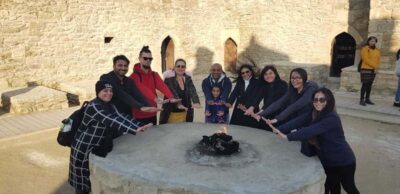
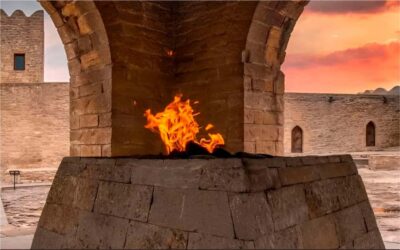
After Gobustan, you head to the Absheron Peninsula, where Azerbaijan’s fire story becomes physical. The first major stop is Ateshgah (Ateshgah Fire Temple), a historical religious complex connected to Zoroastrian fire worshipers and traders who traveled along Silk Road routes.
I like how this stop reframes the tour theme. Instead of treating fire as a gimmick, you learn why it mattered: fire was tied to purity and presence, and it played a role in how people interpreted the natural world. You’ll be walking through a site that was shaped by belief and by commerce, which helps explain why the region has this enduring “Land of Fire” identity.
Cost-wise, Ateshgah & Yanardagh entrance fees are 15 AZN. If you select the option that includes entrance fees, you might save time paying on-site, but the standard price does not cover these admissions.
Yanar Dag: real flames from a hillside gas seep
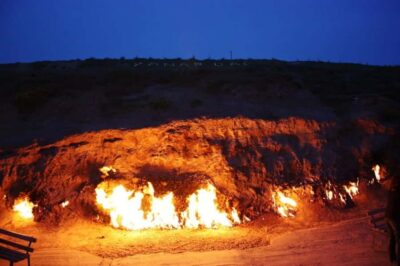
Next comes Yanar Dag, often called the Burning Mountain. This is where you see why the region earns its fire nickname. Natural gas flames burn continuously from the hillside for centuries, and you’re there to witness that living, slow phenomenon.
The experience works because it feels both ancient and current at the same time. Ancient people built meaning around natural elements, and here you can see an element that still behaves the same way. It makes the earlier stops click: petroglyphs, ritual scenes, and fire traditions start to feel like parts of one long human conversation.
Entrance fee is part of the same package you’ll pay on-site for Ateshgah & Yanardagh (15 AZN). I’d also plan for visibility to matter. If clouds or rain reduce what you can see, the flames can still be impressive, but you’ll appreciate clear skies more.
The fire sights, run by other operators
The value math: why $3 can still turn into a full day of costs
The tour price is listed at $3.00 per person, which sounds almost unreal for a 12-hour day with pickup, a live guide, and transportation. Here’s the honest way to think about value: the low sticker price covers the “service skeleton,” while the on-site admissions and food still fall to you unless an add-on includes them.
You should budget at least these on-site entries (standard option):
- Gobustan National Park: 10 AZN
- Mud Volcanoes: 30 AZN in cash (mandatory even in rain)
- Ateshgah & Yanardagh: 15 AZN
So even before food, you’re looking at 55 AZN in listed entrance fees, plus whatever museum and attraction fees apply where you’re told to pay. Food and drinks are not included, so you’ll want to plan for at least one paid meal or snack during the day.
Why this still can be a good deal: you’re combining multiple high-impact stops that would be expensive and hard to coordinate on your own, plus you get a free guided Old City walk at the end.
Baku Old City on foot: Icherisheher highlights with a local guide
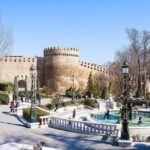
The final act is a free guided walking tour of Baku’s Old City, also called Icherisheher, a UNESCO World Heritage Site. This is the part of the day that gives you texture. After the open-air sites, the old stone streets feel like the “why” behind the fire and carvings. You’re seeing a medieval city where trade and belief were also deeply connected.
Key sights you should expect to see include the Maiden Tower, Shirvanshahs’ Palace, ancient city walls, caravanserais, and traditional architecture. If you enjoy the small stuff, you’ll also like the rhythm of walking these lanes at human scale, where you can stop and ask questions without rushing.
There’s also a bonus moment that people seem to love: a stop around Little Venice, and time to end with tea at a local spot nearby. If you’re the type who likes to add one relaxed stop after a packed day, this ending is well timed.
And one more practical point: this is a walking tour on top of the rest of the day. Your shoes matter again.
Guides, languages, and what you should ask along the way
The tour runs with a professional guide in English, Russian, and Arabic. That matters because the quality of the day depends on interpretation. The sites are fascinating, but you’ll get more out of them when you understand the why behind the what.
From the guide styles that stand out, I’d expect this program to include strong explanations of religion and architecture. People also highlight guides who answer questions quickly and clearly, and who can connect the dots between Baku monuments and Azerbaijan’s broader story. Names that have shown up include Gaya and Aydın, both praised for strong pacing and clear answering.
Before you start, I’d ask your guide two things:
- How much time should I budget for photos at Yanar Dag?
- Which petroglyph sections are most important for understanding the story of the site?
Simple questions like that help you get the right priorities.
When this tour fits you best, and when it might not
This is a great fit if you want a one-day highlights route from Baku and you like connecting themes: prehistoric life, fire traditions, and a living city center. It’s also a good choice if you’d rather pay for guidance than figure out transport between sites.
It may not be the best choice if you:
- hate paying on-site fees late in the day
- want a strictly slow paced day with no mandatory detours
- are sensitive to weather changes, since the mud volcano stop can replace other plans during rain
Still, the trade-off is that you’ll leave with a clear, memorable set of images: carved ancient stories, a temple tied to Silk Road faith, and flames that keep burning.
Should you book the Gobustan and Absheron day with the free Old City walk?
I’d book it if you want maximum “Azerbaijan in one day” without DIY stress. The combination of Gobustan’s UNESCO petroglyphs, the fire stops at Ateshgah and Yanar Dag, and the added free Icherisheher walk is the kind of packing that usually takes two separate trips.
Just go in prepared. Bring cash for the 30 AZN mud volcano fee, wear comfortable shoes for uneven ground plus the Old City walk, and consider the on-site structure when you budget. If you do that, you get a very high value day, even with extra admissions.
If you want, tell me your travel dates and whether you prefer photography-heavy pacing or a calmer day, and I’ll help you plan what to prioritize during the 12 hours.
Deeper Into the Old City
Ateshgah and Yanar Dag, Keep Reading

Gobustan, Three More Ways
More of Azerbaijan we have been out and written up
- The Magnificent Baku Night Tour★ 5.0 · 3 reviews
- Small-Group Day Trip to Gobustan, Mud Volcanoes, Ateshgah & Yanar Dagh★ 4.5 · 3 reviews
- Private Sheki Tour – Four Regions of Azerbaijan in one day★ 5.0 · 3 reviews
- Full Day Guided Tour of Shamakhi and Gabala★ 5.0 · 3 reviews
- Qobustan Absheron Full Day Tour★ 5.0 · 3 reviews
Gobustan Rock Art & Mud Volcanoes, compared.
 ★ 4.9Gobustan, Mud Volcano, Fire Mount, Temple Lunch EntryFrom $63,246 reviews
 ★ 5.0BEST Gobustan, Volcanoes & Absheron Fire Tour (Group or Private)From $331,254 reviews
 ★ 5.0Gobustan and Absheron tour (All inclusive)From $851,014 reviews
 ★ 4.7Gobustan, Volcanoes, Fire Temple and Yanardag Day TripFrom $29433 reviews
 ★ 4.5Gobustan & Mud, Fire Temple, Burning Mountain (Group & Private)From $10418 reviews
 ★ 4.9Gobustan Absheron Tour Entry Tickets includedFrom $6329 reviews
 ★ 5.0Gobustan-Mud Volcan-Fire Temple and Mountain Tour/Entrance incFrom $30267 reviews
 ★ 4.8Gobustan Mud Volcanoes Temple & Entry tickets includedFrom $9178 reviews
Browse the lists this tour appears in